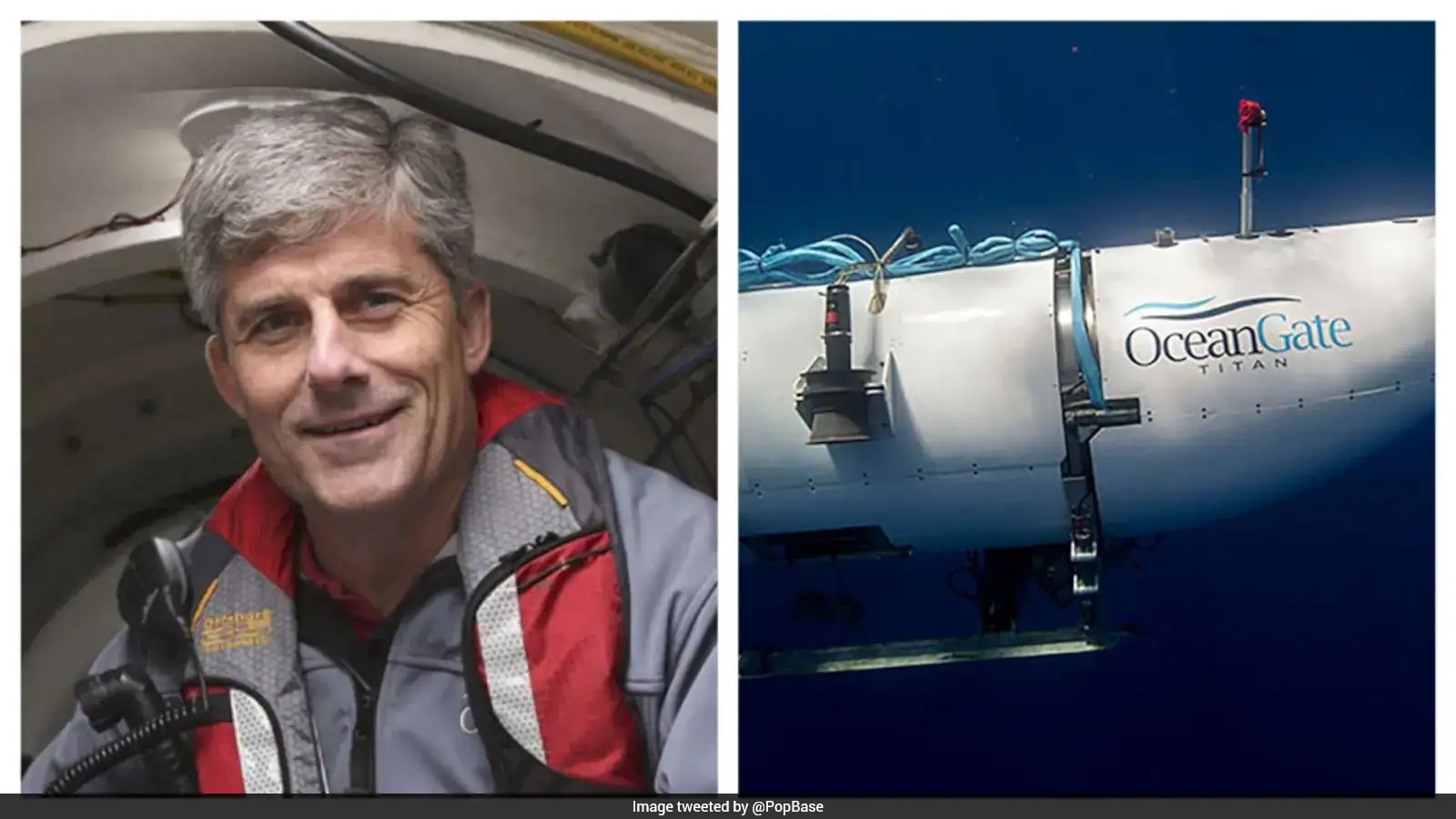
On June 18, 2023, the Titan submersible collapsed 12,500 feet beneath the ocean surface, killing CEO Stockton Rush, French explorer Paul‑Henri Nargeolet, British adventurer Hamish Harding, Pakistani businessman Shahzada Dawood, and his 19‑year‑old son Suleman. The implosion sent a shockwave through the adventure‑tour industry and raised immediate questions about the vessel’s safety design.
Each passenger had paid up to $250,000 for the dive, a premium that drew scrutiny after the tragedy. OceanGate marketed the trip as a once‑in‑a‑lifetime experience, but the fatal outcome exposed stark gaps in its risk‑assessment procedures.
Long‑time friend Karl Stanley argues that Rush wanted to die at the wreck to cement his place in history. In his book "Submersed," Stanley calls the submersible a "mousetrap for billionaires," alleging that Rush deliberately built a vessel destined to fail as a spectacle for wealthy tourists.
Stanley recalls accompanying Rush on a 2019 test dive, where he heard loud cracking noises that Rush brushed off. "The machine did exactly what he designed it to do," Stanley said, suggesting an intentional design flaw.
The name Titan, chosen for the submersible, echoes Morgan Robertson’s 1898 novel Futility, a fictional ship that sinks after striking an iceberg—an eerie parallel to the Titanic disaster. Stanley points out that the choice of name was no accident.
The U.S. Coast Guard and the National Transportation Safety Board have launched a probe into OceanGate’s safety protocols. Families of the victims, especially the Dawood family, demand answers, while regulators push for stricter oversight of private submersible operations.