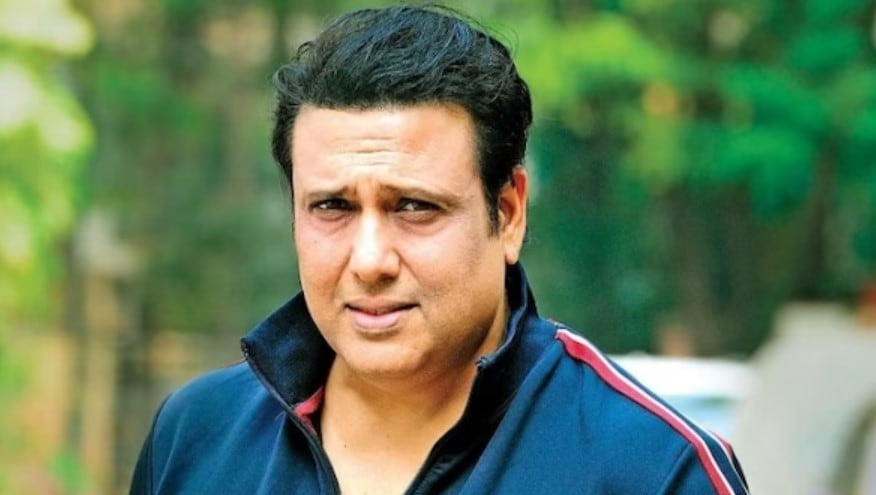
It’s a detail that hits harder than any blockbuster trailer. Govinda, the man who has been the subject of Bollywood gossip for decades, sat down with ABP News to talk about the only criticism that ever truly mattered: the silence of his mother’s sacrifices. He didn’t hold back. He told the story of a time when their family had lost almost everything, a period so dire it required extreme measures just to survive. It’s a story about poverty that looks nothing like the glitz of the industry he now inhabits.
According to Govinda, his father warned Nirmala Devi about the dangers of stepping out into the world. He reportedly told her, "Nirmala, you are so beautiful. If you go outside looking for work, people will look at you with the wrong intentions." Instead of letting that fear paralyze her, she took control. She shaved her head. She shaved her eyebrows. She dressed like a saint. Not for piety, but for survival. That is a level of sacrifice that no scriptwriter would invent because it’s too raw for fiction.
Nirmala Devi, who passed away on June 15, 1996, at age 69, was a Hindustani classical vocalist and actress in her own right. Her presence looms over Govinda’s career in ways he rarely discusses. He admitted that her experience of enduring humiliation for the sake of her children’s future directly impacts how he handles public opinion today. He doesn’t care what tabloids say. He doesn’t care who is whispering what. To him, those voices are noise compared to the weight of what his mother carried.
This isn’t just a throwback interview. It’s a defense of his mental peace. Govinda explicitly stated he refuses to judge others based on their current behavior, believing that circumstances shape people. "Time, circumstances, the country, the situation," he listed, noting that everyone is stuck somewhere. It’s a pragmatic, almost weary wisdom that stands in sharp contrast to the pettiness of celebrity culture. He’s seen the bottom. He knows what desperation looks like. So he chooses not to look back.
The interview lands with a quiet finality. Govinda isn’t seeking sympathy. He is establishing a boundary. By humanizing his mother’s struggle, he recontextualizes his own legacy—not as a party animal or a villain, but as a son who paid his dues in a different currency. The next time you see his name in a rumor mill, remember the woman who cut off her hair so her children could eat.