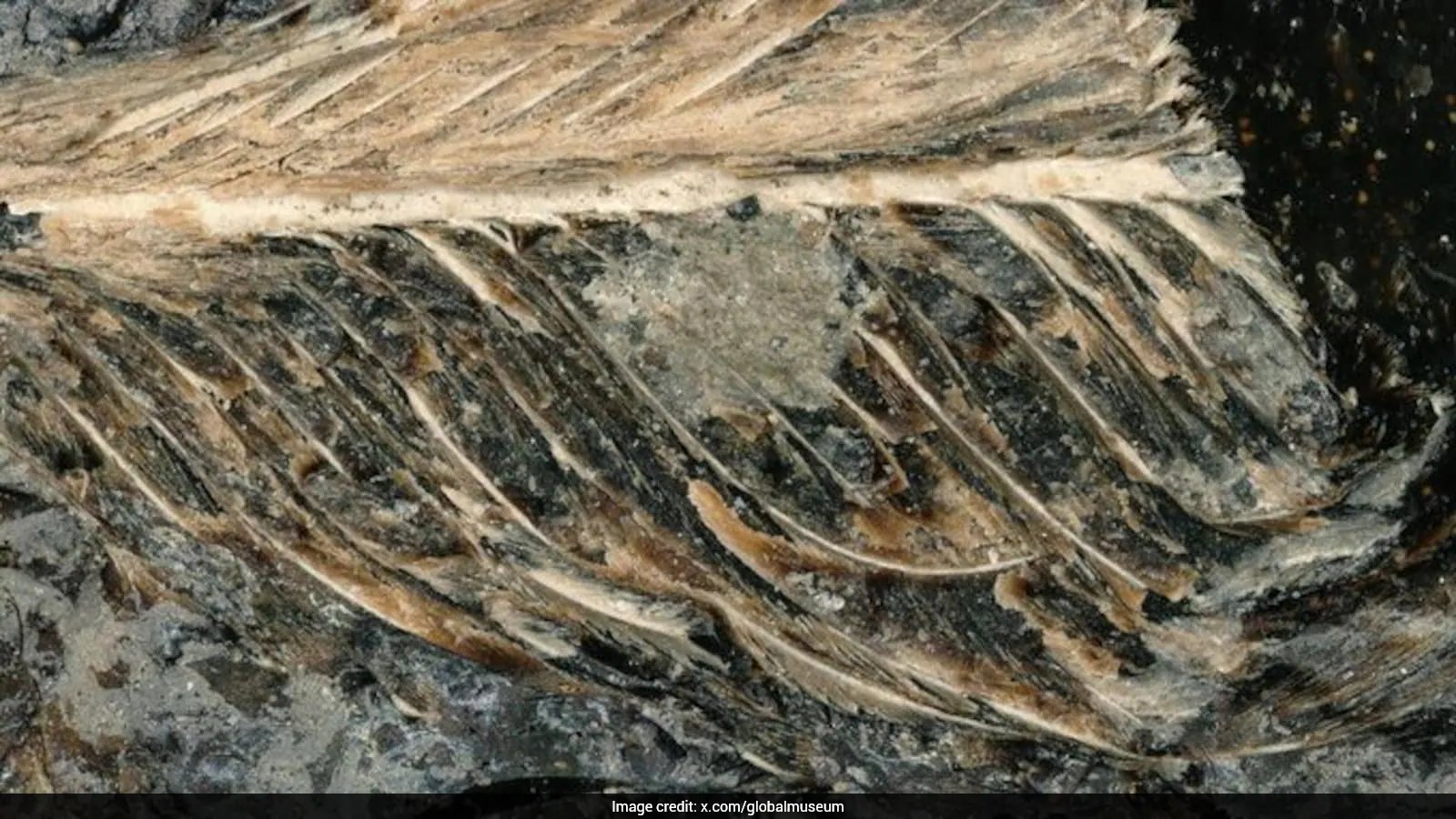
In 2016, during routine excavations in the Hell Creek Formation, a paleontologist named David DeMar Jr. uncovered a fossilized droppings—known as a coprolite—containing an astonishingly well‑preserved feather. The micro‑CT scan revealed a feather that was both feathered and partially featherless, with a square cross‑section that would have made it both lightweight and rigid.
The feather belonged to a small, flightless diving bird that resembled modern loons, and its bones were identified as part of the extinct Hesperornithiformes. The study, published in Current Biology, argues that the feather’s structure—partly fuzzy and partly stiff—might have made Hesperornithiformes more vulnerable to the rapid climate shift following the Chicxulub impact.
Neornithes, the lineage that eventually gave rise to all modern birds, survived the same event by evolving feathers that were better suited to insulation and flight. “The difference in feather morphology is probably the key to why Neornithes endured while Hesperornithiformes went extinct,” said Jingmai O’Connor, associate curator of fossil reptiles at the Field Museum.
To confirm this hypothesis, researchers are now looking for a similar fossil in Neornithes collected just before the impact. If found, it could illuminate how feather evolution helped birds outlast one of Earth's most catastrophic mass extinctions.