The park’s existence hinged on a last‑minute match that flipped a stalled fundraising campaign into a national treasure. When land prices doubled in the late 1920s, the $5 million already raised by Tennessee, North Carolina and private donors fell short, leaving the Interior Department without enough money to finish purchases. The match from the Laura Spelman Rockefeller Memorial Fund in 1928 restored funding, allowing the government to buy the remaining acreage.
The Smokies were not a wilderness reserve; they were home to hundreds of families and guarded by logging giants. Around 18 logging companies and 1,200 individual owners sold or leased their holdings. A former farmhand, now a park ranger, remembers his family giving up a 20‑acre plot for the cause.
Support came from the rival cities of Knoxville and Asheville, who finally agreed to split the park’s location. Automobile clubs lobbied for better roads, turning the mountains into a scenic route for motorists. The coalition of civic leaders and road clubs turned a natural attraction into a national treasure.
The 1926 law signed by President Calvin Coolidge authorized the Interior Department to take possession once 150,000 acres were secured. The department’s mandate was to finish the remaining 372,000 acres, a task made possible only after the Rockefeller infusion.
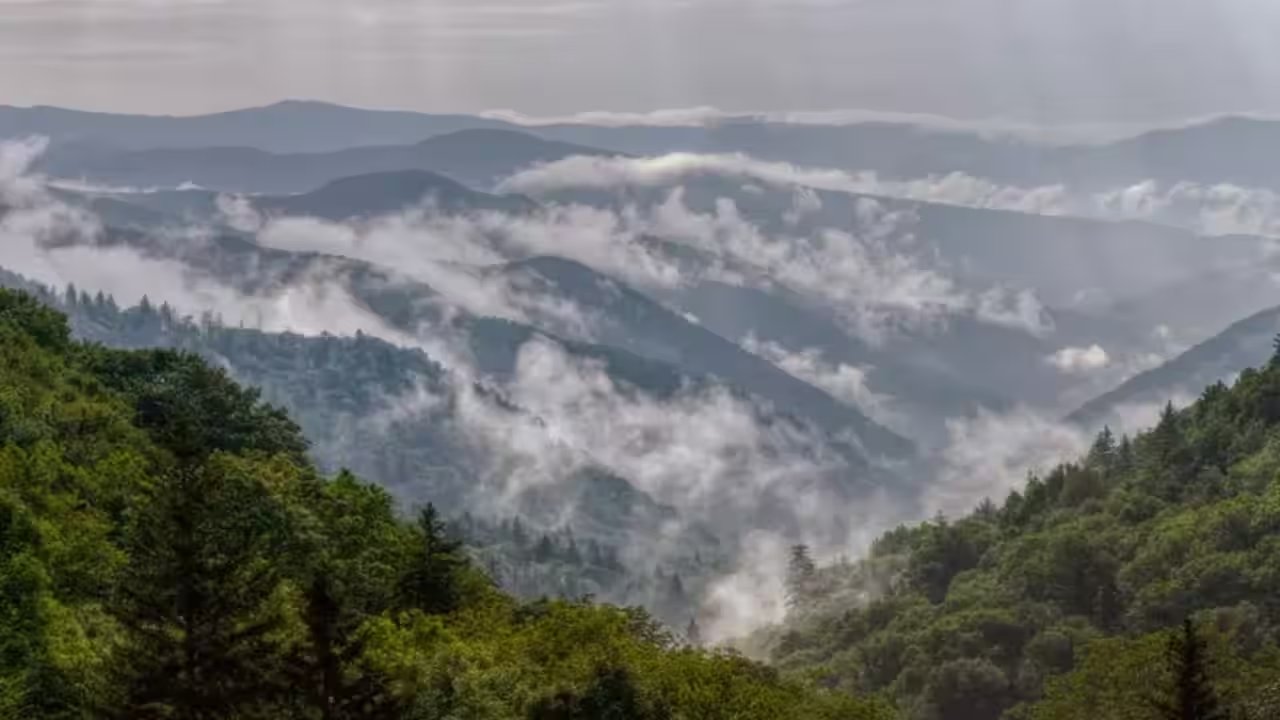
With the purchase complete, the park opened to the public on July 1, 1934, and today spans 522,000 acres. The park’s opening marked the first national park established entirely through private fundraising and a philanthropic match, a testament to cross‑state cooperation and the power of philanthropy.