SensexLTCG taxNirmala SitharamanFPI outflowsUnion Budget 2026
Sensex surges 1,109 points as Sitharaman opens door to LTCG tax cut
Published: October 13, 2026
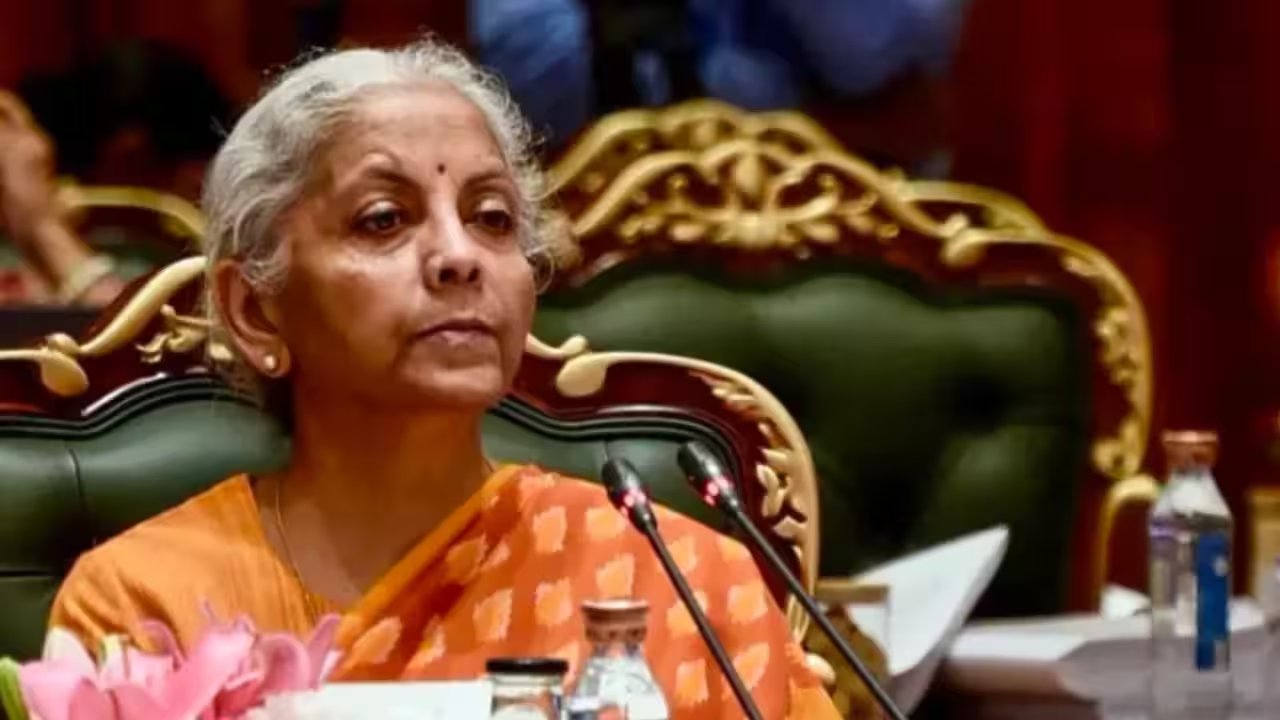
The Sensex closed 1.5% higher at 73,034 after Finance Minister Nirmala Sitharaman signaled openness to debating long-term capital gains tax rates. The rally comes as foreign portfolio investors have sold over ₹3 lakh crore in Indian stocks this year, seeking tax relief to improve returns.
Bulls seized on a single phrase from Finance Minister Nirmala Sitharaman. "Healthy to have this debate," she said regarding long-term capital gains (LTCG) tax, and the market responded instantly. The Sensex ripped 1,109 points, or 1.5%, to close at 73,034. The Nifty followed suit, gaining 1.6% to 22,722. This was no minor wobble; it was a decisive reversal after a steady start to the day.
The trigger? A lingering pain point for foreign investors. According to NSDL data, FPIs have dumped over ₹3 lakh crore worth of Indian equities this year. In 2025, the net outflow hit nearly ₹1.7 lakh crore. Since September 2024, the benchmark index has bled roughly 13% of its value. Foreign funds have long demanded a reduction in LTCG and securities transaction tax (STT) before committing fresh capital. Sitharaman’s refusal to rule out a change struck a nerve.
At a Bloomberg event, the FM clarified her stance on taxation. She noted that two years ago, she aligned tax rates across asset classes to prevent arbitrage speculation, not to punish investors. "I was not increasing the tax, I was bringing all of them at par," she stated. But the message to the street was clear: the door is open for discussion as the February Union Budget preparations kick into high gear.
Sitharaman also addressed the rupee’s weakness. She admitted the currency has depreciated "significantly" over the last eighteen months but insisted the RBI is not fixing the rate, only curbing volatility. "RBI will take further steps to make sure that rupee does not become too volatile," she assured. She added that fiscal discipline remains intact, positioning India as a safe harbor for diversification away from China.
Market strategists are watching the next move. Hitesh Sawhney, partner at Pricewaterhouse, argued that a zero LTCG rate linked to longer holding periods could reward patient capital. It would also reduce reliance on uncertain treaty-based exemptions. For now, the market is pricing in hope. The real test comes when the Budget documents are tabled.