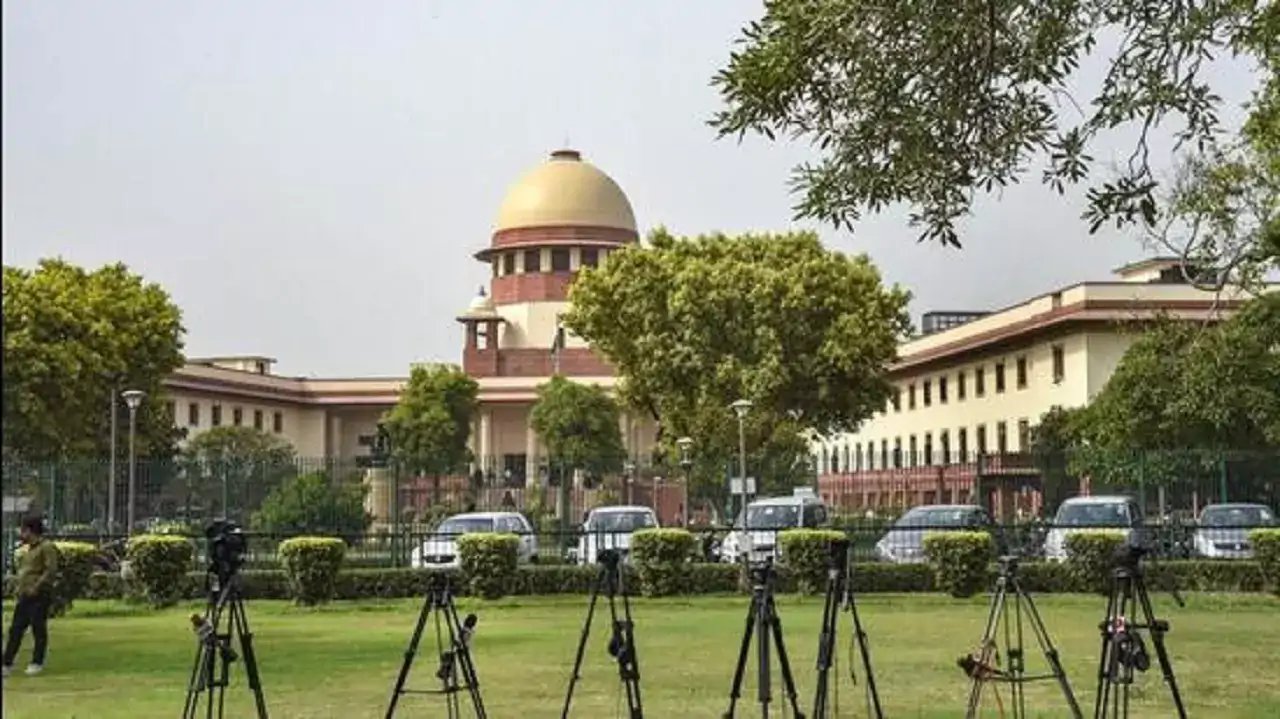
The bench of Justices Ujjal Bhuyan and AS Chandurkar set aside the Madhya Pradesh High Court's March 20 ruling on Monday, allowing the accused in a sexual assault case to seek bail.
The criminal complaint, registered in Ratlam district, alleges that the appellant— a married tenant— attempted to abduct the victim's elder sister and subsequently sexually exploited her for about a month. The victim's mother reported the abuse, leading to the filing of the case under the Protection of Children from Sexual Offences Act, 2012 and the Scheduled Castes and Scheduled Tribes (Prevention of Atrocities) Act, 1989.
In its September 23 order, the Supreme Court held that courts must not impose personal moral judgments when adjudicating bail or criminal trials. The bench noted that the high court had declined bail on moral grounds, claiming it could affect the victim's family's "morals" and the social order. The Supreme Court found that the accused had already spent more than a year in custody, and that a bail application was therefore justified.
The court directed that the accused be produced before the concerned jurisdictional special court within a maximum period of seven days, after which he should be released on bail on terms and conditions deemed appropriate by the court.
The decision follows a broader debate over the role of morality in criminal proceedings. Similar challenges have been raised in cases involving rape and child abuse, where courts have been urged to focus on evidence rather than societal impressions. The Supreme Court's ruling is expected to influence how lower courts balance legal principles against perceived moral concerns in future bail petitions.