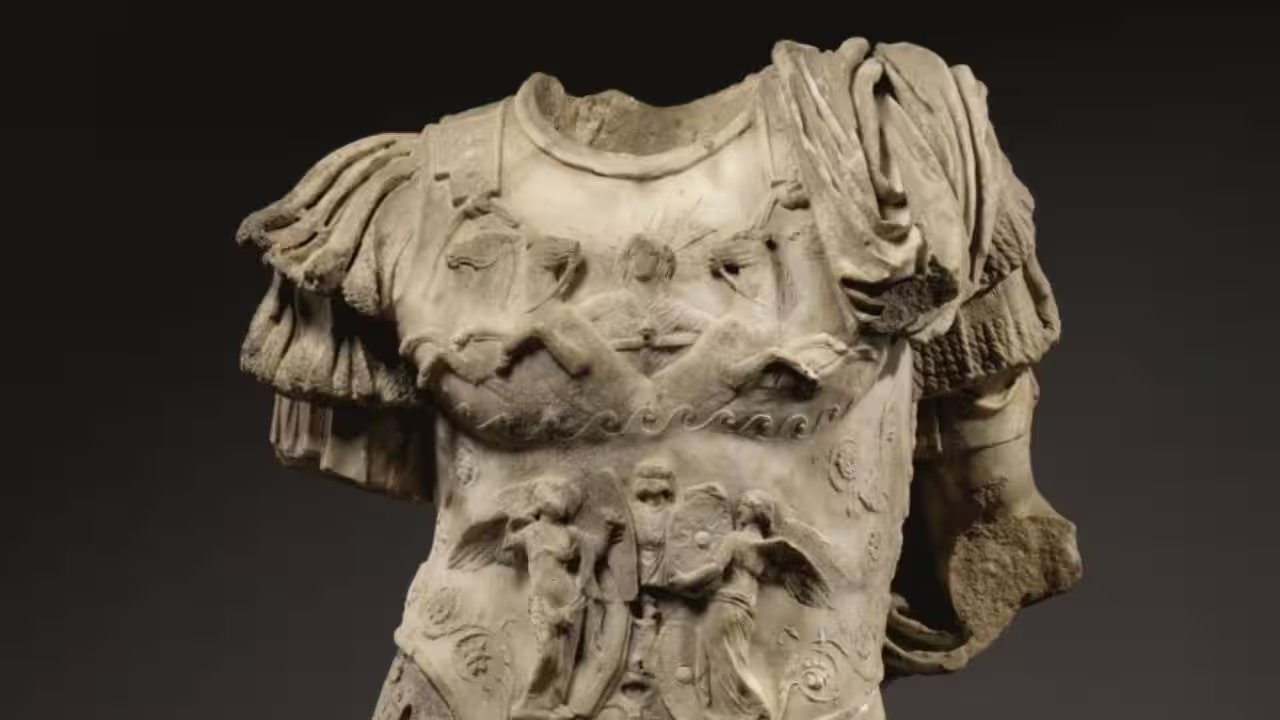
Sotheby's opened its Magnum Opus evening sale on 21 October 2026 and a headless marble torso of a Roman emperor crossed the hammer for $34.26 million, a five‑fold jump from the $7.36 million paid in 2010.
The torso, dating to the first half of the first century AD, was identified in Sotheby's catalogue as a Julio‑Claudian piece that may depict Augustus, Tiberius or Claudius, its origin traced to Salona in present‑day Croatia.
The sculpture spent 16 years in private hands before touring some of America’s most prestigious museums: the Metropolitan Museum of Art (2011‑13, 2015‑17), Yale University Art Gallery (2013‑15) and the J. Paul Getty Museum (2021‑24).
Five affluent collectors battled in a 14‑minute auction, driving the price to a new high for a Roman antiquity; Artnet News noted that provenance, rarity and the richly carved Sol relief on the breastplate amplified its allure.
Sotheby's chief auctioneer, Maria Alvarez, said the competition underscored the growing appetite for rare antiquities among collectors willing to outbid each other for a single marble fragment.
The sale is expected to influence forthcoming auction schedules, with several major houses announcing new programmes for classical antiquities in the coming months.