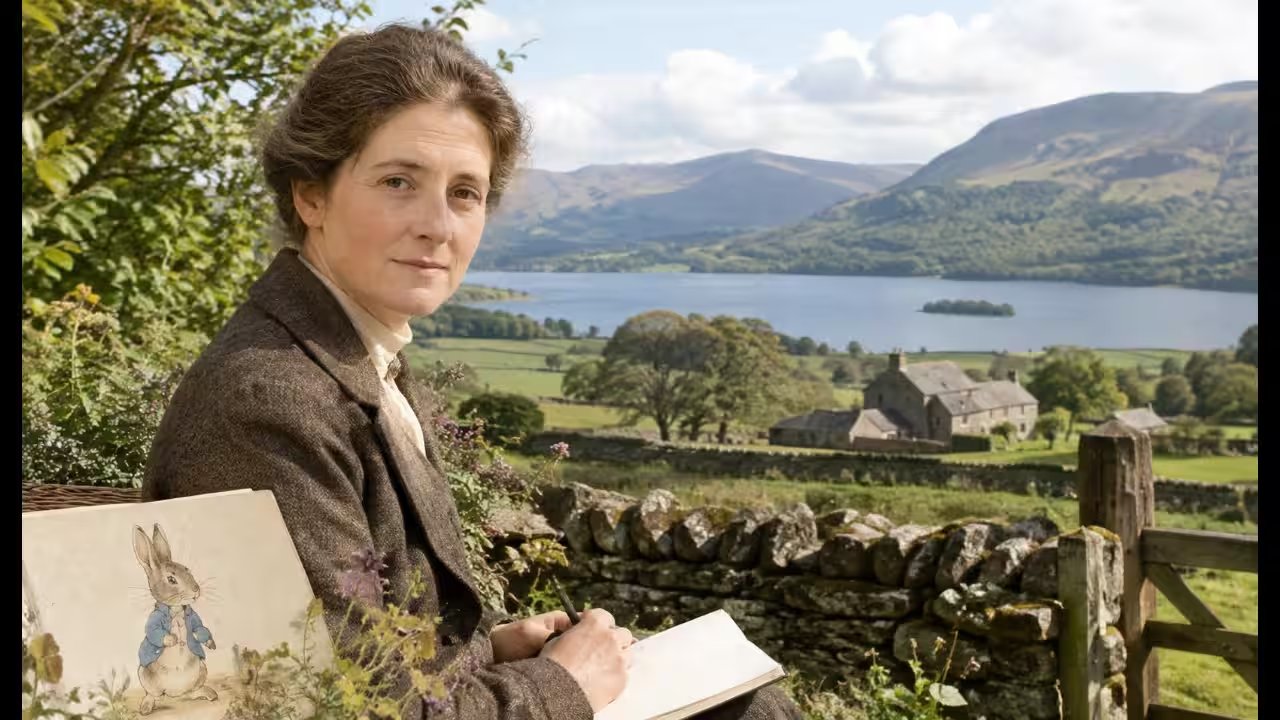
In 1905, 39‑year‑old Beatrix Potter used the fortune from her debut book to buy Hill Top, a 17th‑century farmhouse and 34‑acre acreage in the Lake District’s Near Sawrey. By the same year, she had already sold six books through Frederick Warne & Co and received a modest inheritance from an aunt, giving her the capital to secure the property. The deal came on the heels of a personal tragedy, as Potter's fiancé Norman Warne died mere weeks after proposing, compelling her to immerse herself in both writing and farm management.
Hill Top quickly morphed from a summer retreat into a fully functioning farm. Potter hired a manager and taught herself the intricacies of Lakeland agriculture, focusing especially on breeding Herdwick sheep. A 1916 letter to farmhand Eleanor Choyce details a 120‑acre estate—9 acres arable, 2 horses, 9–10 cows, 60 sheep, 47 lambing ewes—alongside poultry, orchard, and vegetable plots.
Her identity shifted as sharply as the seasons. The 1911 census lists her as an ‘authoress’, but by 1921, after marrying solicitor William Heelis, the census records her simply as ‘farmer’. National Trust curator Helen Antrobus notes that this change reflects Potter’s deepening commitment to the land, a commitment that eclipsed her literary career.
Potter’s agricultural reach expanded beyond Hill Top. In 1923 she acquired Troutbeck Park Farm, adding over 1,800 acres and more than 1,000 Herdwick sheep to her holdings, with head shepherd Tom Storey spearheading flock improvements. When she died in 1943, she bequeathed the entire estate to the National Trust, ensuring the farm’s preservation and continued use as a living testament to her dual legacy of literature and farming.