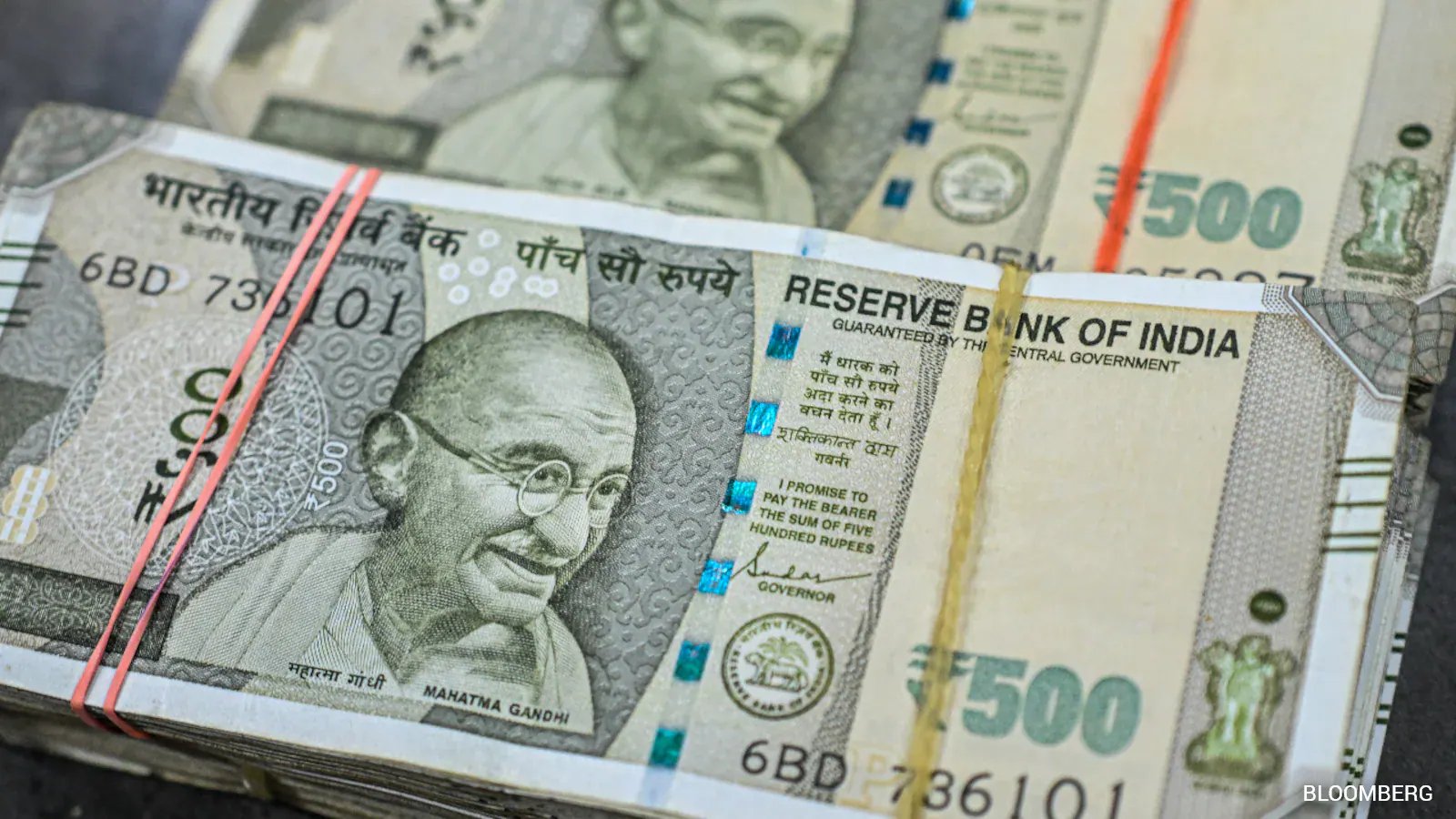
India's central bank tightened liquidity, slashing the cash surplus banks hold from a record 11 trillion rupees in early September to 462 billion rupees as of October 26, according to a Bloomberg Economics index. The move followed a wave of interventions aimed at defending the rupee as it approached a historic low earlier this month.
Analysts at IDFC First Bank and Emkay Global Financial Services warn the squeeze will linger. Madhavi Arora, chief economist at Emkay, said the RBI’s tightening is intentional, designed to hike the cost of hedging against further rupee weakness. Higher borrowing costs make it pricier for traders to borrow rupees and buy dollars, tightening speculative flows.
The liquidity clamp is already bleeding into domestic funding markets. Overnight borrowing rates have climbed close to the upper end of the RBI’s policy range, while three‑ and six‑month certificates of deposit surged 40‑50 basis points to a seven‑month high last week. Ajay Manglunia of Capri Global Capital warned that steeper curves could make it harder for non‑bank lenders to raise capital.
RBI Governor Sanjay Malhotra said the central bank occasionally uses monetary policy to address financial‑stability risks, hinting that interest‑rate adjustments could become part of a currency‑defence toolkit. The RBI has capped liquidity support at 1.5 trillion rupees, withholding additional funds when demand exceeds supply, a policy likely to stay in force as markets react.