EIMElectric TrucksHeavy Commercial VehiclesBattery TechnologyIndia EV
EIM launches 400 kWh battery electric trucks with over 200 km range
Published: October 14, 2026
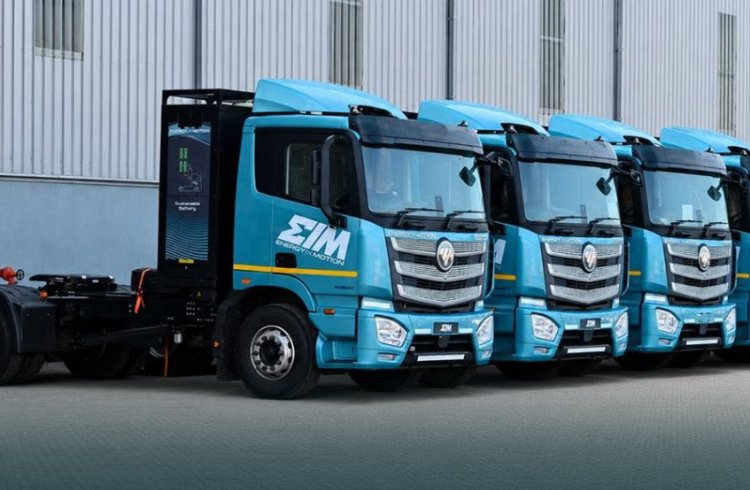
EIM will roll out two new electric trucks powered by 400.5‑kWh battery packs that deliver more than 200 km per charge within the next 15 months. This gives heavy‑haul operators a locally assembled, high‑capacity option that cuts dependence on imported units and could lower operating costs as India pushes for zero‑emission freight.
For a logistics manager eyeing a fleet upgrade, the headline means a local, high‑capacity electric truck that can cover more than 200 km on a single charge. That’s a 33 % jump over the current Ashwa 4x2 tractor’s 150 km range, and it shrinks the need for frequent battery swaps or re‑charging stops.
EIM’s new battery, built from CATL’s CB7T0 cells on an L324D06 platform, packs 400.5 kWh and is slated for a 7.5‑lakh‑km life expectancy. The shift from the 282‑kWh pack to the new one is more than a number; it’s about moving from a 150‑km workday to a 200‑km one, a hard‑to‑beat metric in the Indian freight sector.
The Indian market already hosts Tata’s e-Truck and Mahindra’s e-Logistics, both hovering around 150–170 km on 300‑kWh packs. EIM’s 400‑kWh offering nudges them into a new tier, potentially matching or surpassing the range of the Ashok Leyland e-Heavy freight line that relies on 350‑kWh packs.
Policy angles are compelling too. The government’s 2025 zero‑emission freight mandate will slash import duties for locally built EVs, and EIM’s new plant in Talegaon—spanning 35,000 m²—can absorb that advantage. The 5,000‑unit annual capacity also means economies of scale, which could translate to lower per‑unit costs.
Production is slated to kick off in the next 15 months, with the first units expected in Q4 2026. EIM is also rolling out a 60‑crore battery‑testing hub to certify the new packs under heavy‑haul conditions, a move that should reassure operators about reliability and maintenance.
What to watch next: the rollout of swappable battery boxes, the timing of the plant’s certification, and how EIM’s pricing stacks against the established players. These factors will decide whether the new trucks can capture a meaningful slice of India’s growing electric freight market.