A diver on a routine inspection of the water near Falmouth Docks spotted a rusted metal box on 21 September. Tom Bolt of the Falmouth Coastguard immediately radioed the Coastguard HQ, sparking a rapid mobilisation of bomb‑disposal experts.
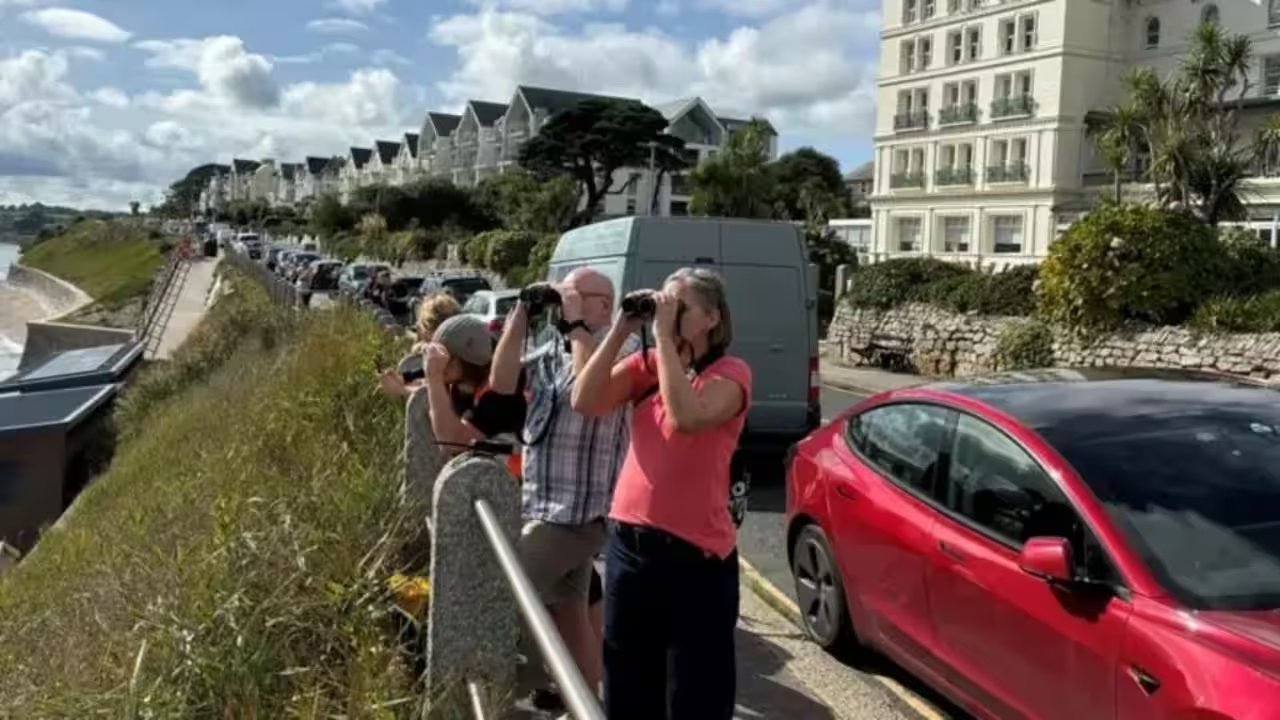
A Ministry of Defence assessment on 22 September confirmed the object as a 250‑pound (113‑kg) American air‑dropped WWII bomb. City officials erected a 300‑metre exclusion zone that day, expanding it to 755 metres the next and evacuating 336 households—about 2,000 residents—in the tight coastal corridor.
Lieutenant Commander Ben Brown, commander of the Bravo Diving Squadron, explained that the device carried a 144‑hour chemical fuse that could ignite with any contact. Because of the delay, divers were ordered to leave the bomb on the 20‑metre seabed until a safe window opened, after which a controlled charge would be attached.
By late afternoon the bomb was lifted from the dock and moved to a deeper holding area. Coastal Council spokesperson confirmed the removal, lifted the cordon, and let residents back inside; the final disposal, set for a deep‑sea drop several days later, was planned to be out of sight from shore.
All Saints’ Church became a refuge, offering tea and a stage for folk singer Will Keating to lift spirits. Councilwoman Thalia Marrington praised the volunteers and military teams, describing the operation as a collective triumph over a lingering wartime relic.