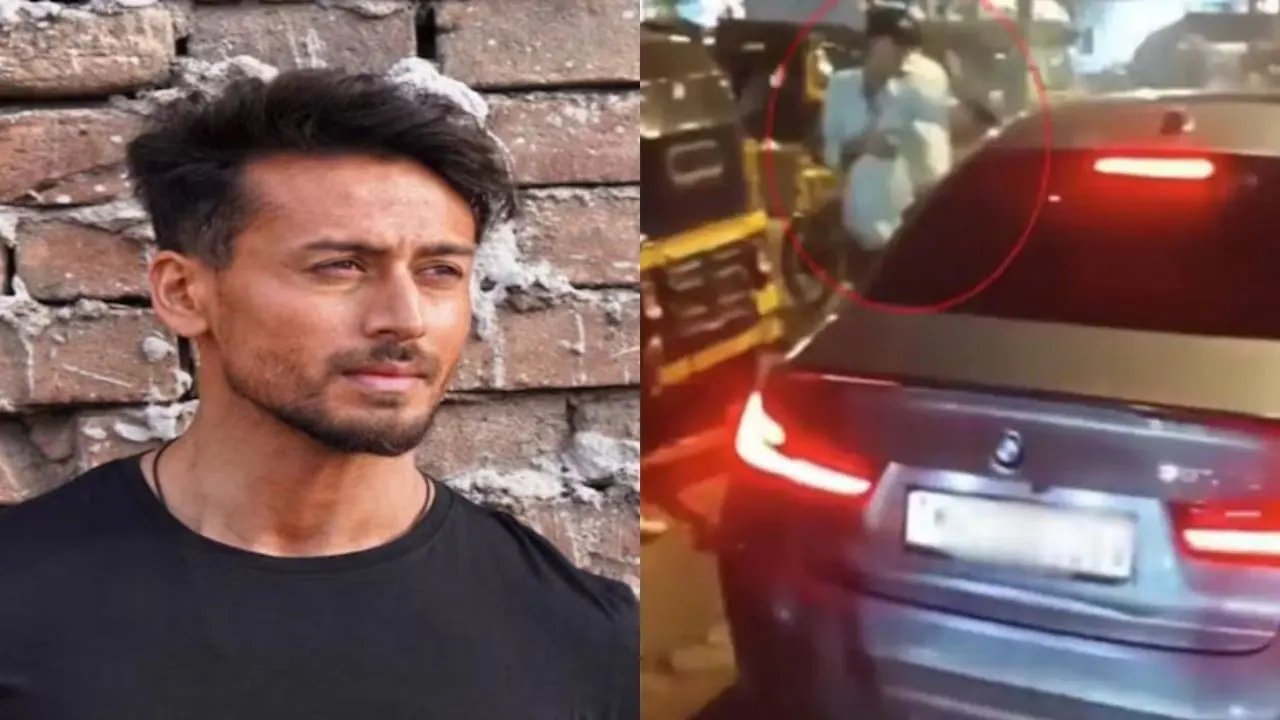
Tiger Shroff – the son of veteran actor Jackie Shroff and a staple of high‑octane Bollywood – found himself the target of a daring attack after a casual football match on October 18. While the actor escaped unhurt, the incident shook the film world and sent shockwaves through his fan base.
The would‑be escape began at Surat’s bus stand, where the trio—Hritik Kumar alias Roshan, Rehan, and Phool Singh—had lined up for a late‑night ride to Delhi. But the bus, already steaming away, left them stranded. That failure sparked Plan B, a midnight switch to the Pune‑Jaipur Express, with the shooters boarding at 1:33 AM and stashing their weapons near the bus stand to dodge cops.
Meanwhile, the Mumbai Crime Branch kept a tight eye on the trio via CCTV footage. The camera logs traced every move: the auto‑rickshaw ride to the station, the train hop, and the final leg where the suspects dropped off at Jaipur’s outskirts before slipping into a taxi to Delhi.
The law reached them in the most cinematic way: a raid in Rajasthan’s Kota on October 19, a day after the attack, led to the arrest of the three conspirators. Eleven suspects have now been hauled in, and the investigation into the Lawrence Bishnoi gang’s alleged involvement continues.
Bollywood’s response has been a mix of disbelief and rallying behind the star. Fans flooded social media with support, while industry insiders lament the threat to on‑screen safety. As the legal saga unfolds, the film community watches closely, wondering how this will affect future shoots and security protocols.
The story may have started as a crime thriller, but its ripple effects will likely echo through Indian cinema for months, as studios rethink on‑location safety and actors weigh the risks of their next big shoot.