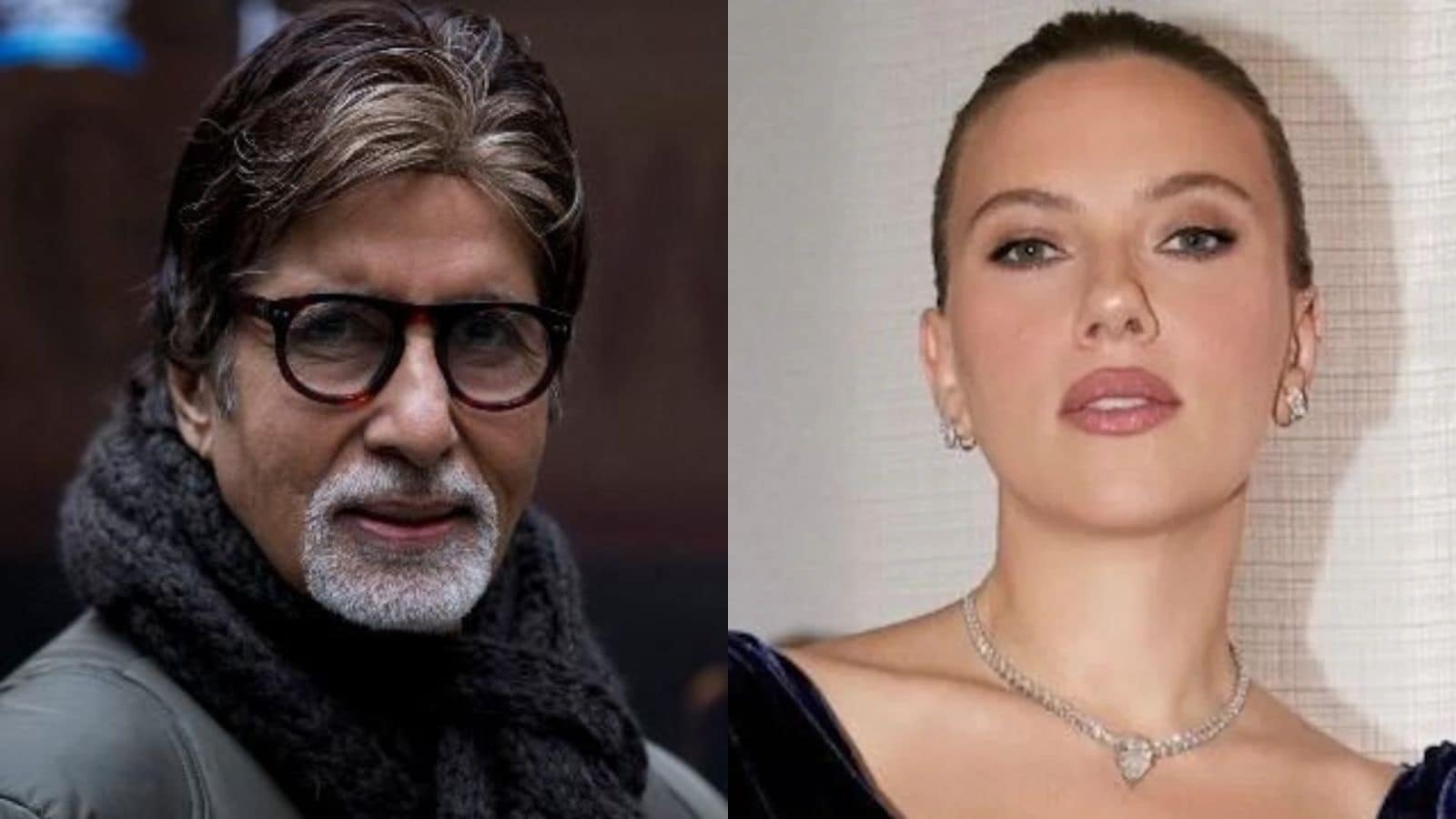
The digital wild west just ran into the Indian judicial system. Television actor Rupali Ganguly has approached the Bombay High Court to halt the unauthorized exploitation of her persona, pointing to rogue digital portals circulating her likeness without consent. Her petition flags a disturbing technological escalation: artificial intelligence generating deepfake images and spliced video clips uploaded directly to sexually explicit websites. She is drawing a line in the sand.
Ganguly is far from alone in this fight. Stolen voices, synthetic faces, and counterfeit merchandise have forced India’s biggest cinematic heavyweights to turn the courts into intellectual property bunkers. What began as a battle over unauthorized print advertisements has exploded into an urgent campaign against algorithmic impersonation, with high courts issuing sweeping takedown orders to freeze digital copycats in their tracks.
Amitabh Bachchan established the legal playbook. Facing rampant misappropriation of his baritone and likeness, the veteran actor moved the Delhi High Court with an omnibus petition filed against the world at large. Justice Navin Chawla ruled decisively in his favor, barring any commercial entity from deploying Bachchan's name, voice, or image without formal clearance. The court also ordered telecom providers and the Ministry of Electronics and Information Technology to strip down flagged content, observing that commercial operators were openly exploiting his celebrity status to peddle goods.
Telugu cinema star Allu Arjun quickly mounted his own offensive. Troubled by unauthorized merchandise and online revenue ventures minting money off his Pushpa persona, the actor sought blanket court protection. Justice Tushar Rao Gedela granted an ex parte ad interim injunction in his favor, finding a clear prima facie case of unlawful commercial exploitation. The order barred multiple entities from utilizing Arjun’s voice, gestures, or recognizable physical traits across digital and retail platforms.
Courtrooms are now handing tech conglomerates strict operational deadlines. In Aishwarya Rai Bachchan’s 2025 plea over digital misuse and AI-driven infringements, Justice Tejas Karia slapped defendant platforms with decisive takedown mandates. Google LLC was ordered to purge and block infringing URLs within 72 hours of receiving formal notice, while the Department of Telecommunications stepped in to sever host connections. Abhishek Bachchan took identical action against digital merchandiser Bollywood Tee Shop, securing an injunction after the bench noted that knock-off apparel deceived buyers into believing stars endorsed the bootlegged goods.
Hrithik Roshan and Salman Khan have adopted the same zero-tolerance stance. Roshan filed suit to protect his publicity rights and commercial image from third parties skimming monetary gains off his identity. In Khan’s petition, Justice Manmeet Pritam Singh Arora gave social media intermediaries three days to take action against infringers, warning that the bench would issue direct stay orders against anyone using the actor's photographs or name for unauthorized commerce. As generative tools cheapen identity theft, India’s celebrity bar is making one reality clear: a star's persona remains their exclusive legal property.