HurricaneIsaiasGulf CoastOil ProductionEmergency Evacuation
Hurricane Isaias Swells to Category 2, Targets Gulf Coast, 63% Oil Output Cut
Published: October 9, 2026
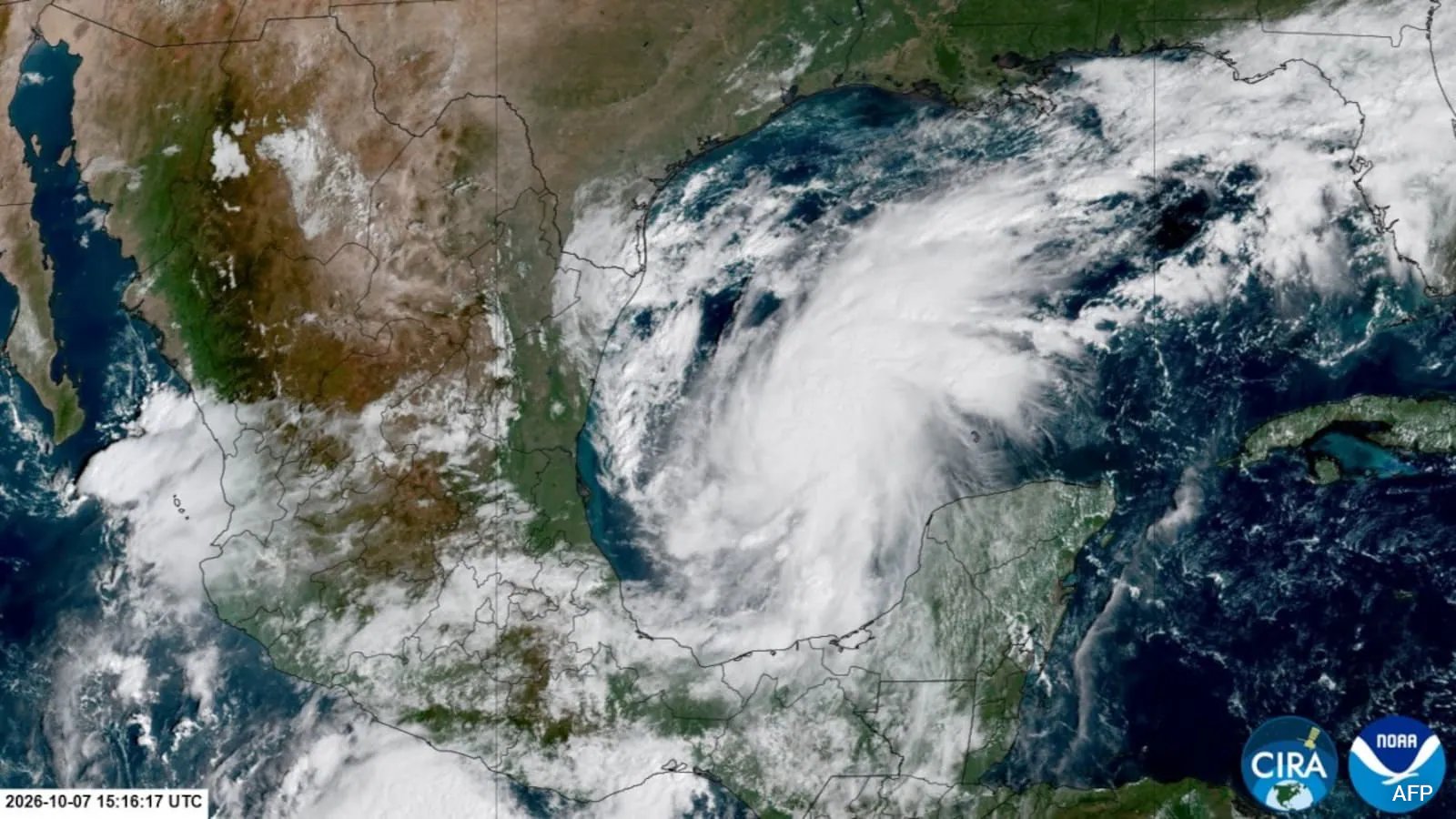
Hurricane Isaias intensified to Category 2, heading for the U.S. Gulf Coast, and is expected to make landfall Friday evening. The impending storm has triggered state‑wide evacuations, emergency declarations, and a 63% reduction in Gulf oil production, taking 1.3 million barrels a day off the market.
Hurricane Isaias accelerated to Category 2, with sustained winds of 105 mph, moving northeast at 14 mph and centered 260 miles south of the Mississippi River mouth. Michael Brennan, director of the National Hurricane Center, warned that the storm would become "dangerous" by Friday night, urging residents to secure property and seek inland shelter.
Alabama Governor Kay Ivey ordered the immediate evacuation of Gulf Shores, Orange Beach and Dauphin Island, while Florida Governor Ron DeSantis declared a state of emergency for 25 counties and mobilized 5,000 National Guard troops. School districts in the panhandle halted classes, and traffic snarls appeared on highways out of Gulf Shores as beach flags turned double red. Local fishermen, like Jose Ramirez, bolted their gear and stocked up on supplies before the swell loomed.
The oil and gas sector suffered a 63% production cut as the Marine Minerals Administration shut 121 of the Gulf’s 371 manned platforms, removing roughly 1.3 million barrels per day from the market. This interruption, already pushing crude prices higher, underscores the storm’s economic toll.
Historically, the Gulf has felt the wrath of Camille, Katrina, and Michael, all of which carved deep scars across the same coastline. While forecasters expect Isaias to weaken after landfall, the National Weather Service warns of possible long‑duration power outages and a surge of up to seven feet along the coast. The next phase will see coastal communities brace for the storm’s arrival and the federal response to the impending emergency.