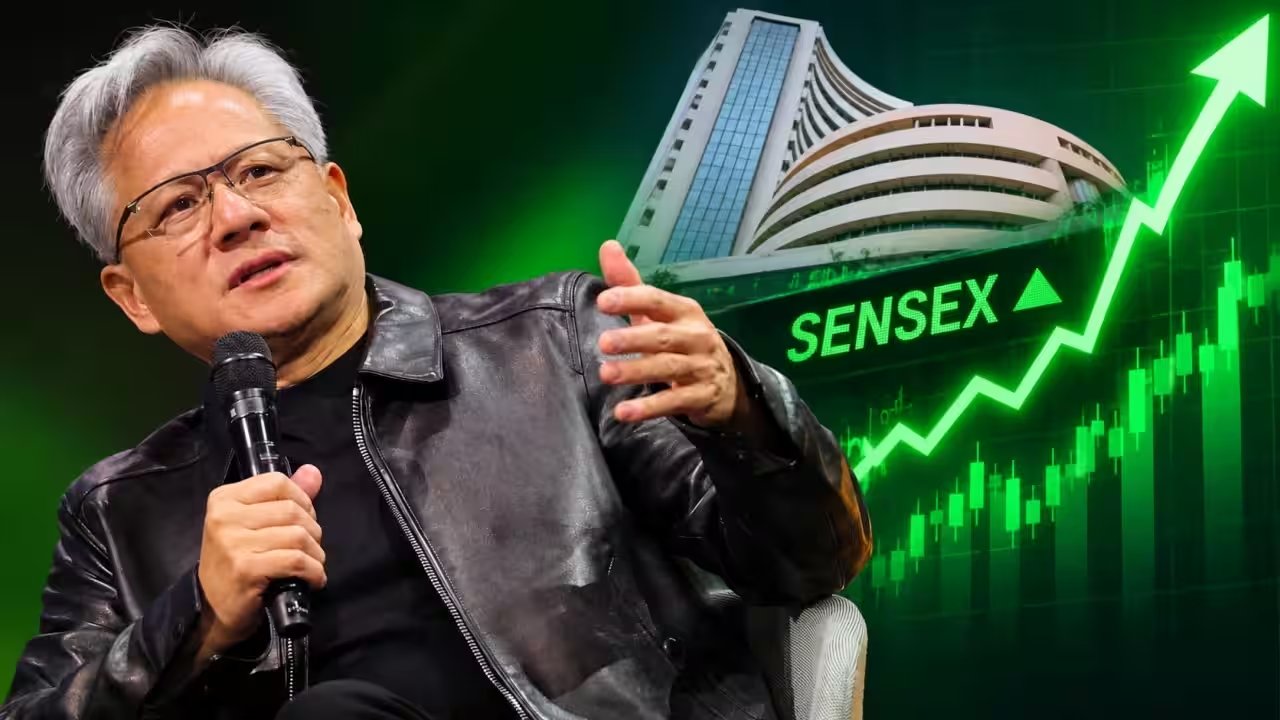
Nvidia shares slumped 8% in early New York trade on Monday. The semiconductor giant—carrying one of the heaviest weightings on global equity benchmarks—plunged into governance turmoil after its board initiated an internal investigation into Chief Executive Jensen Huang. The move followed Huang's admission of an intimate relationship with a business executive whom intelligence agencies flagged for collecting strategic intelligence for Beijing. Tens of billions of dollars in enterprise value vanished within minutes of the opening bell.
Nvidia confirmed the inquiry on Sunday. The probe centers on Alice Huang, a former executive at Singapore-based Megaspeed International, a data center firm that publicizes its direct operational partnership with Nvidia. The company's board insisted in an initial disclosure that it has "no reason to believe that either national security or Nvidia secrets were compromised." But for institutional asset managers who treat Nvidia as the bedrock of the generative computing boom, the breach of protocol is catastrophic. The Silicon Valley firm lacks an identified executive successor to Huang. Uncertainty is the market's least favorite currency.
Huang has spent two years walking a geopolitical tightrope. He lobbied Washington hard to dilute semiconductor export curbs, eventually securing clearance from President Donald Trump to market Nvidia's advanced H200 processors to Chinese buyers. Before that, Nvidia engineered the scaled-down H20 chip explicitly to skirt federal sanctions. Yet Beijing pushed back; Nvidia conceded in an August regulatory filing that it sold only a restricted volume of processors to China because domestic authorities discouraged local firms from buying. China's Foreign Ministry pushed back against the espionage claims on Monday, labeling the affair a calculated smear.
"The key questions are whether he was aware of any espionage activities and whether any confidential or strategically sensitive information was compromised," said George Chen, partner and digital practice chair at Washington advisory firm The Asia Group. "Those questions require evidence rather than speculation." But politics will not wait for evidentiary audits. Democrats took control of the United States Congress last week on platforms promising aggressive scrutiny of artificial intelligence data centers, giving Capitol Hill immediate leverage to haul Nvidia executives into open hearings.
Yet half a world away, Mumbai is calculating an unexpected upside. India's headline equity gauges—the Sensex and the Nifty 50—have weathered negative trailing 12-month returns as foreign institutional investors pulled billions out of domestic counters to chase runaway momentum in American hardware names. India missed out on the initial semiconductor rally. Now, that absence looks like an operational shield.
Foreign desks are trimming concentrated positions in hyper-extended AI valuations and redirecting liquidity into undervalued emerging markets. Sinking crude oil prices and steadying domestic corporate earnings have made Indian cyclicals an attractive alternative. Institutional sentiment accelerated on Monday when HSBC upgraded Indian equities to overweight from neutral, while Citigroup raised its 12-month price target on the Nifty 50. If foreign capital continues to unwind its concentrated bets on American chipmakers, Dalal Street stands first in line to absorb the outflow.