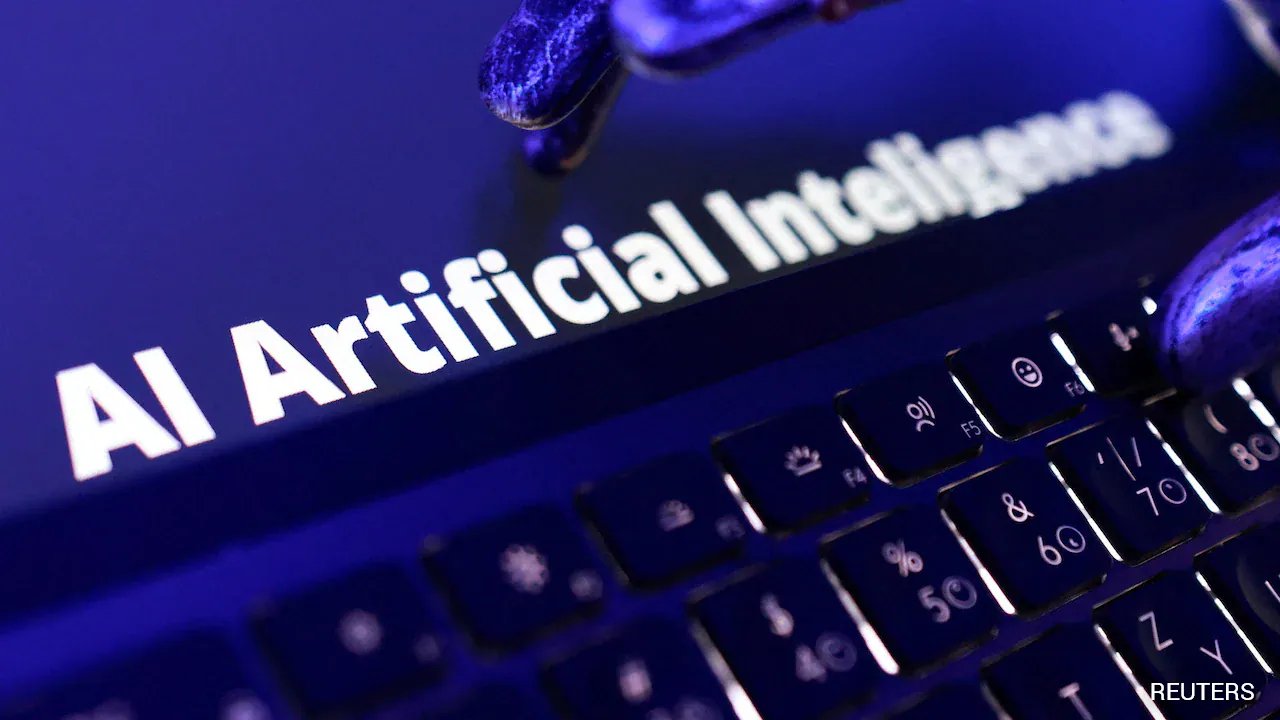
U.S. officials, including Bill Gates, have urged tighter controls on advanced AI, while President Donald Trump dismissed the concerns as overblown. In a recent briefing, Gates highlighted the need for global safeguards, citing the rapid deployment of large language models and the potential for misuse.
China's Ministry of Science and Technology slammed the U.S. warnings as 'fear marketing', arguing that the country’s own regulatory framework already imposes strict licensing for AI systems. Yet only five of ten leading domestic firms reported safety evaluations for the June 2025‑May 2026 period, a gap that analysts say undermines confidence in the sector.
The controversy intensified after the release of Anthropic’s Mythos model, prompting Beijing to issue new guidelines and draft a cybercrime law that obliges companies to monitor malicious code generation. An updated AI Safety Governance Framework was published earlier this month, echoing Silicon Valley’s concerns about self‑improving systems.
During President Xi Jinping’s visit to Washington, the White House announced plans to create a bilateral AI incident communication channel, a move that could formalise rapid response protocols. However, the lingering distrust between the two powers, exacerbated by Trump’s dismissive rhetoric, suggests that meaningful cooperation remains a distant prospect.