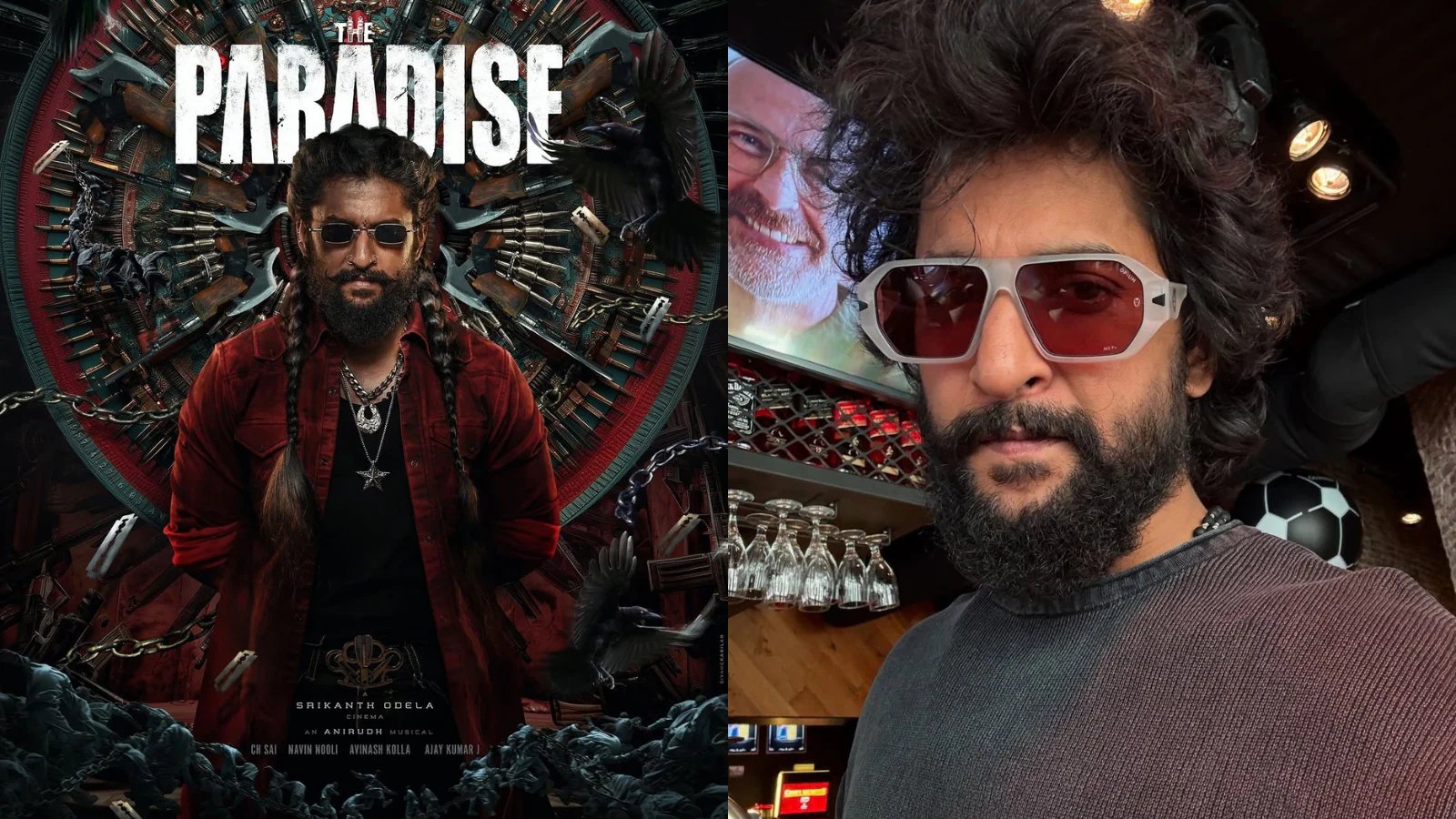
But before the first reel of The Paradise rolls out, Nani has already shaken the promotional buzz. At a press meet in Chennai, the actor, clad in a crisp shirt that screamed ‘no marketing gimmick’, made a point that felt almost revolutionary: "I don’t want my film called pan‑India," he declared, eyes flickering like a spotlight. He wasn’t just talking about his own work—he was pointing at Bollywood’s Jawan and Pathaan, raking in Tamil and Telugu revenue, yet still called Hindi films.
So why does he keep the word out? He wonders aloud why a Telugu film that finds footing in Delhi, Mumbai and even Kolkata earns the pan‑India badge, while a Hindi blockbuster with a dubbed version in Malayalam never does. His stance isn’t about ego; it’s about identity. “It’s still a Hindi film, even if it makes money in other languages,” he said, pointing to the industry’s double‑standard. The conversation turned into a critique of a term that, according to Nani, dilutes the cultural flavor of a movie.
Behind the debate is the film itself, directed by Srikanth Odela, the man who shared a hit with Nani back in 2023’s Dasara. The Paradise promises a mash‑up of action, drama and a dash of comic relief, with Kayadu Lohar’s charm, Raghav Juyal’s villainous swagger, Mohan Babu’s seasoned presence and a cameo by Sampoornesh Babu that fans are already buzzing about. It’s a cast that could fill cinemas across the nation, but Nani says the marketing should let the film speak for itself.
Nani’s outcry also reflects a larger pushback from regional filmmakers who feel the pan‑India label is a corporate shorthand that erases the story’s roots. He’s not alone—many in the South want their films recognized for their own linguistic and cultural identity, not just as a spreadable commodity. By refusing the tag, Nani is holding up a mirror to the industry's own self‑branding practices.
So what’s next? Fans will watch how the film’s promotion unfolds without the pan‑India banner. If The Paradise draws crowds across the country, it will prove that a film can be a hit without a fancy label. In short, Nani’s fight against the pan‑India tag is less about ego and more about preserving regional pride while still reaching a national audience.