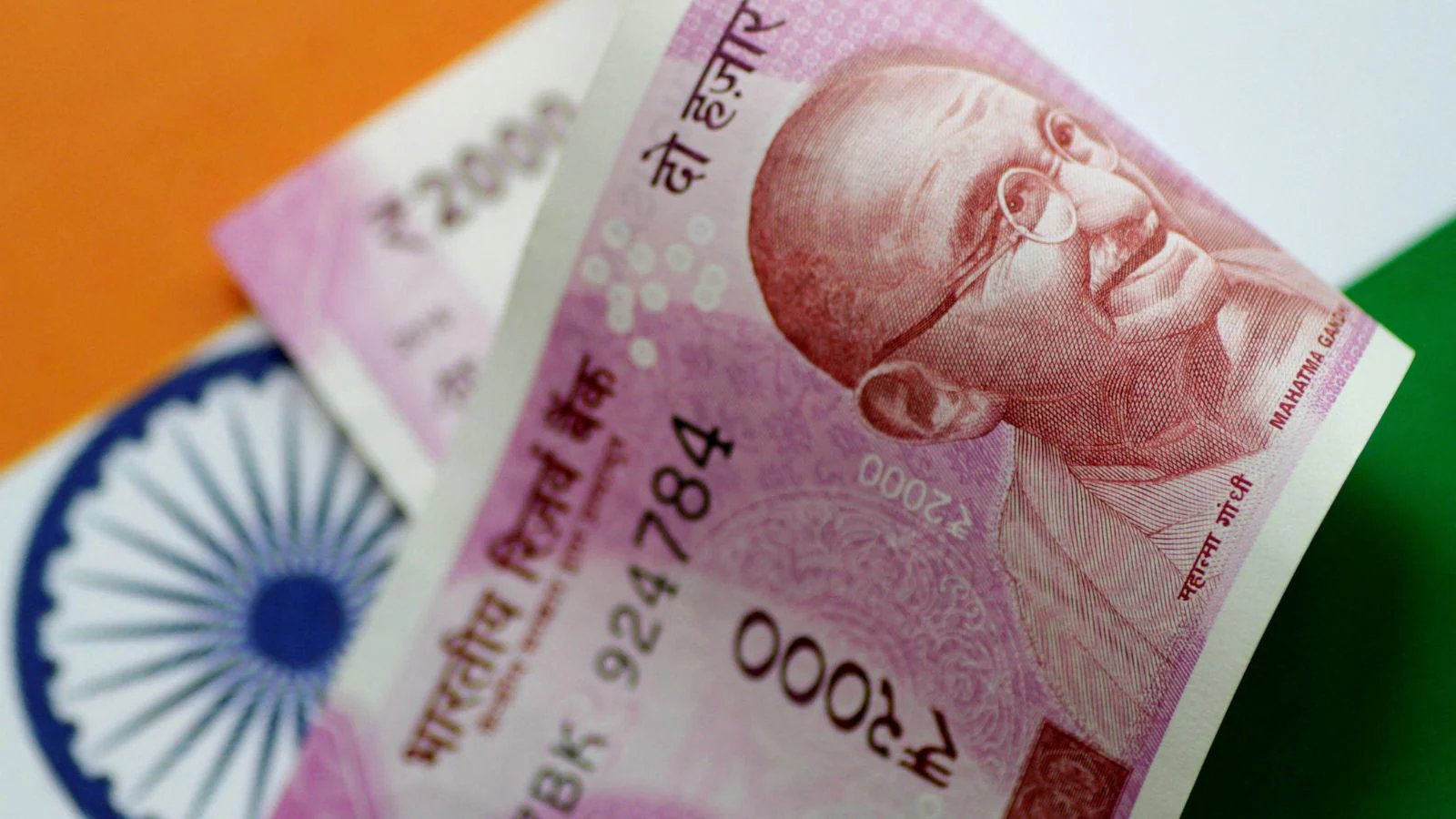
The rupee broke below the psychologically critical 96 mark on Thursday, settling at 96.31 against the US dollar. That’s a 37-paise slide from Wednesday’s close, pushing the domestic currency to its lowest point in more than two months. The trading session was volatile; after opening at 95.95, the currency dipped to an intraday low of 96.34 before stabilizing slightly higher at the close.
Why the slide? Global markets are trembling. Surging bond yields and a risk-off sentiment have triggered selling pressure from foreign investors. On Wednesday alone, Foreign Institutional Investors (FIIs) offloaded ₹10,148.41 crore worth of Indian equities, according to exchange data. This outflow is directly weighing on the rupee.
The external pressure isn’t just about sentiment. Brent crude, India’s largest import, jumped 2.54% to $100.52 per barrel. Meanwhile, the dollar index, which tracks the greenback against six major currencies, climbed 0.45% to 101.90. A stronger dollar and pricier oil are a toxic mix for the rupee’s trade deficit.
Anuj Choudhary, Research Analyst at Mirae Asset Sharekhan, expects the rupee to maintain a negative bias. “A strong dollar and surge in global crude oil prices may further pressurise the rupee,” Choudhary said. He added that uncertainty surrounding the US-Iran deal could also keep the currency under pressure. However, he noted that any intervention by the Reserve Bank of India (RBI) could provide a floor at lower levels.
Domestically, the equity market mirrored the forex weakness. The Sensex shed 570.59 points to end at 71,909.70, while the Nifty fell 198.50 points to 22,421.95. Yet, not all news is bad. India’s manufacturing sector hit a seven-month high in September, with the HSBC India Manufacturing PMI rising to 55.1 from 52.8 in August, signaling a boost in new orders and output.
Investors should watch the next few days closely. If the dollar index continues to climb and crude stays above $100, the rupee could test even lower levels. The RBI’s stance on intervention will be the key variable to monitor. For now, the path of least resistance for the INR is downward, at least until global risk appetite stabilizes.