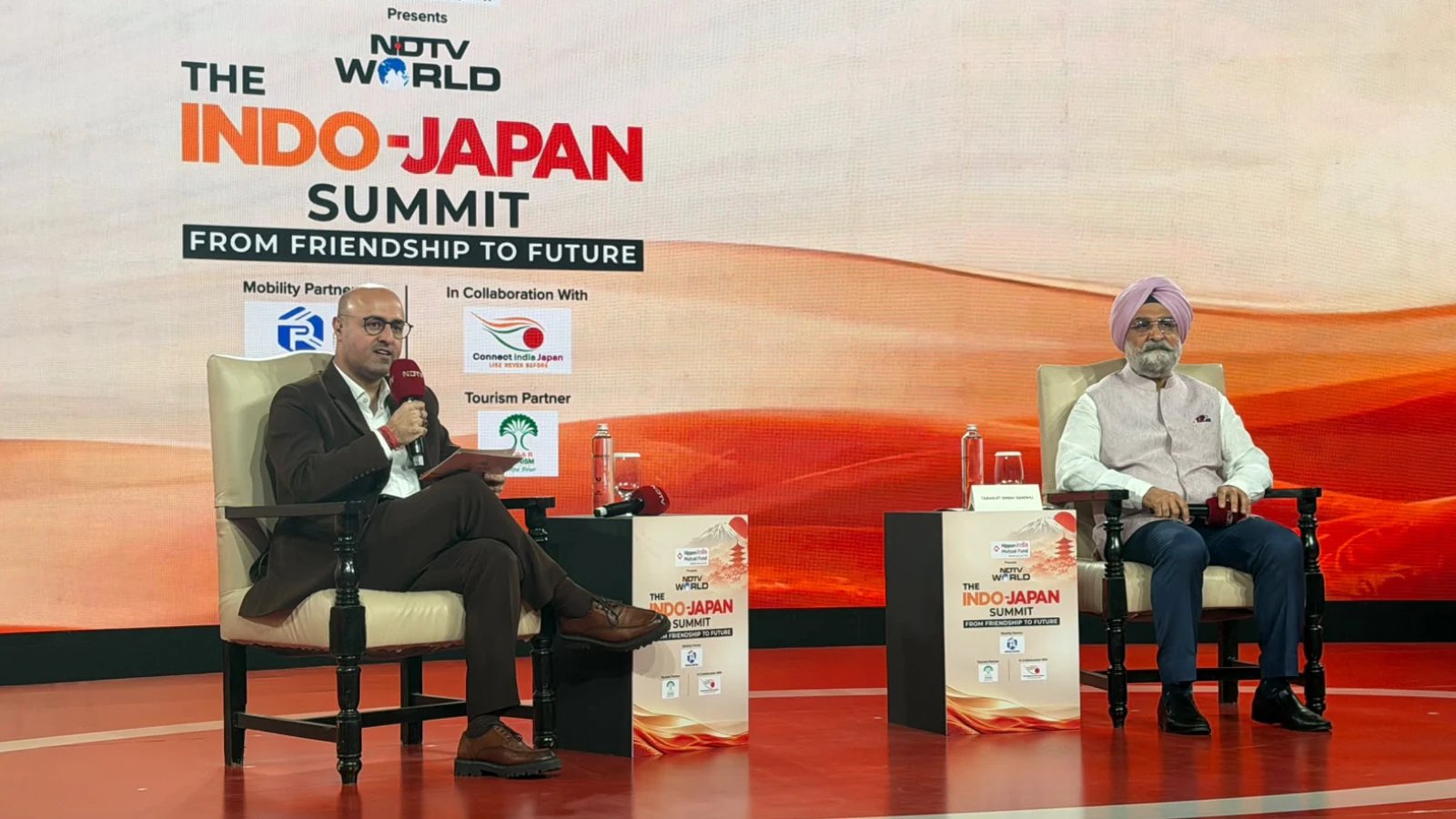
Lt‑Governor Taranjit Singh Sandhu called the Delhi Metro a flagship example of India‑Japan cooperation at the NDTV Indo‑Japan Summit on Thursday, citing JICA’s long‑term financing and technical support.
Sandhu said the metro has reshaped Delhi’s mobility, turning a congested capital into a more sustainable urban hub, but he warned that infrastructure alone is insufficient. He urged the city to adopt an integrated model that links transport, technology, public services and climate resilience.
He referenced the late Japanese Prime Minister Shinzo Abe’s 2007 “Confluence of the Two Seas” address that laid the foundation for the Quad, noting that Modi and Abe’s friendship has steered joint ventures, including the metro. Mrs. Akie Abe attended the summit, symbolising people‑to‑people goodwill.
Sandhu highlighted JICA’s role, which has financed several metro extensions, and urged the Delhi government to accelerate technology‑driven traffic solutions modeled on cities like Indore. He said that Delhi’s traffic bottlenecks could be alleviated by deploying AI‑based signal controls and real‑time monitoring.
A 34‑year‑old nurse from New Delhi, who commutes daily on the metro, said the network’s expansion has cut her travel time by 45 minutes, underscoring the metro’s impact on ordinary citizens. Sandhu added that the upcoming traffic pilot, slated for July, will involve local NGOs and private firms.
The Delhi administration announced that the tech‑enabled traffic pilot will launch in July, with the first phase covering the congested Sector‑5 corridor, and that a review will follow in September.