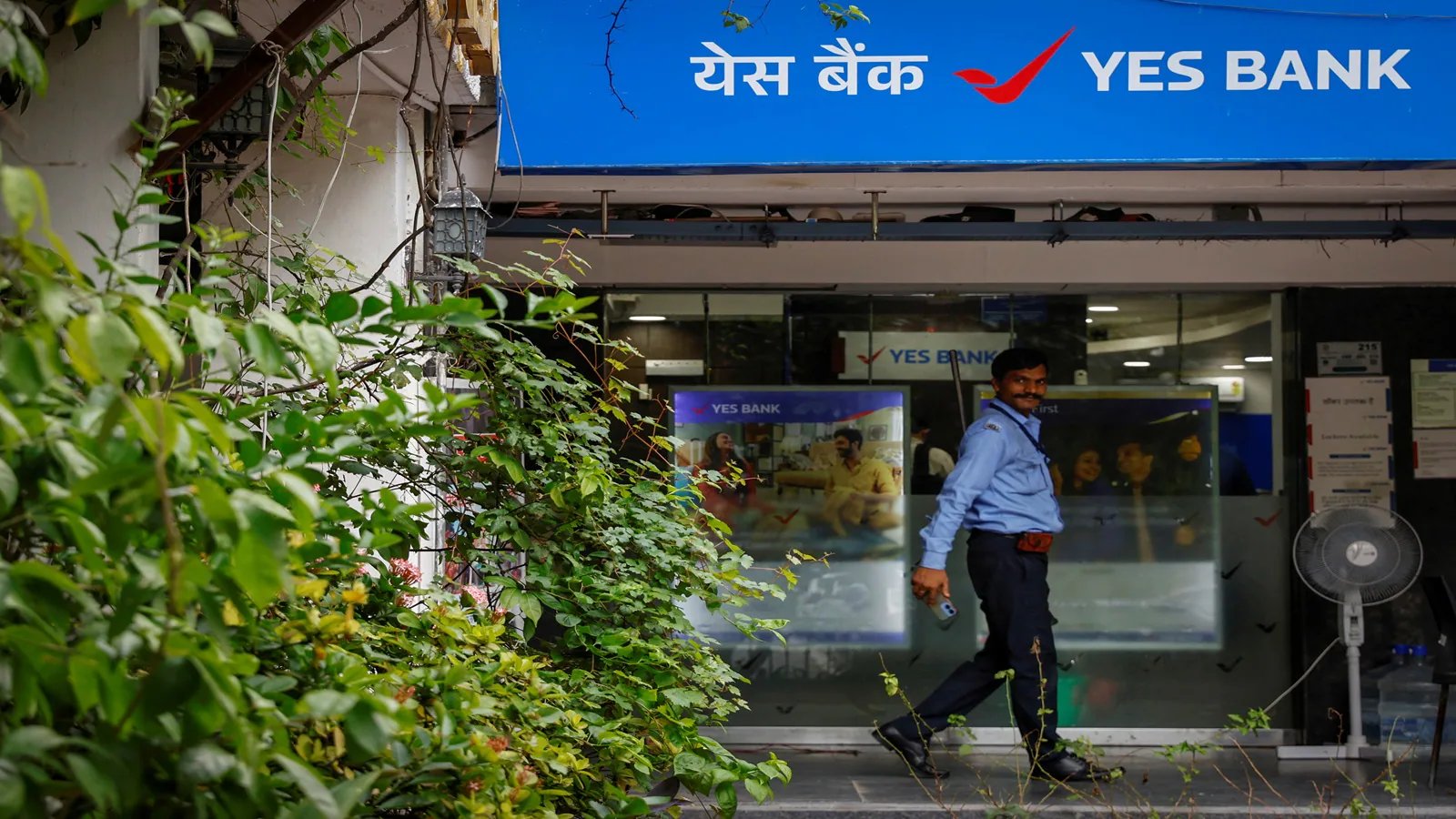
The refund, totaling approximately ₹363 crore, includes interest under Section 244A of the Income-tax Act and a tax benefit on a previously claimed expense. According to the BSE filing, this amount breaches the ₹120 crore materiality threshold under amended listing regulations, triggering the mandatory disclosure.
The timeline is messy. It traces back to an assessment order in December 2019 that originally imposed additions and disallowances. Then came a reassessment in March 2022, which compounded the issue by calculating tax on reported income rather than assessed income. Rectification orders followed in April and December 2025, finally clearing the path for the September 30, 2026, consolidated order from the Jurisdictional Assessing Officer.
Market reaction? Muted. Shares ended the day at ₹20.95 on the BSE, slipping ₹0.09 (0.43%). Traders likely viewed the refund as a non-cash, non-operational adjustment rather than a direct boost to near-term earnings power, especially given the bank’s recent focus on balance sheet repair.
Looking ahead, YES Bank’s board is set to consider raising fresh capital via equity and debt issues. With Q1 advances up 18% to ₹2.85 lakh crore and deposits growing 14% YoY, the bank is balancing capital adequacy with growth. The tax refund, while significant, is a footnote to the larger equity raise decision pending.