India's electronics manufacturing push, launched in 2020, approved 32 firms under the Large‑Scale Electronics Manufacturing (LSEM) scheme, and extended its five‑year run to 2025‑26. The scheme’s core goal—boost domestic phone production—has already spurred smartphone exports to climb from $5.5 billion in 2021‑22 to an estimated $30 billion next year, catapulting India into the world’s second‑largest mobile‑phone maker.
The Department for Promotion of Industry and Internal Trade (DPIIT) reports that July‑through‑June 2024 saw the electronics sector claim Rs 19,090.98 crore in incentives, eclipsing every other PLI‑covered industry. Across the 14 PLI schemes launched in 2020, the government disbursed a cumulative Rs 36,754 crore to beneficiaries, underscoring the program’s aggressive support for domestic manufacturing.
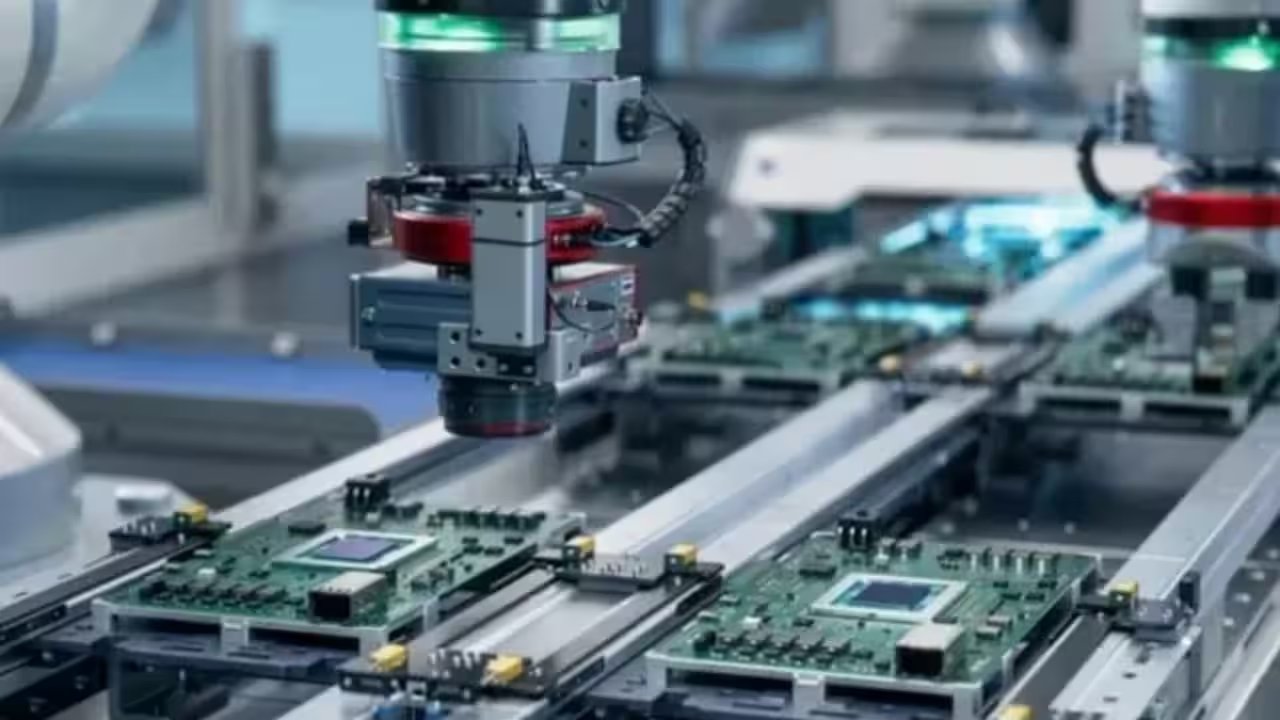
In the electronics arena, the incentive haul translates into a projected investment inflow of Rs 20,580.20 crore, a figure that will help firms scale production lines, reduce reliance on imported components, and increase export volumes. For workers in Chennai’s chip‑assembly sector, the new capital injection means more jobs and a chance to upgrade skills in high‑tech assembly.
The pharmaceutical and food sectors also benefited, receiving Rs 6,662 crore and Rs 3,271.44 crore respectively, while auto‑components firms captured Rs 3,174.15 crore. These figures illustrate the breadth of the PLI programme’s impact across India’s manufacturing landscape.
Ahead, the government plans to roll out additional PLI incentives for emerging technologies such as 5G infrastructure and electric‑vehicle batteries, aiming to cement India’s position as a global manufacturing hub and reduce import dependence. The next round of investor briefings is slated for August, setting the stage for fresh capital inflows.