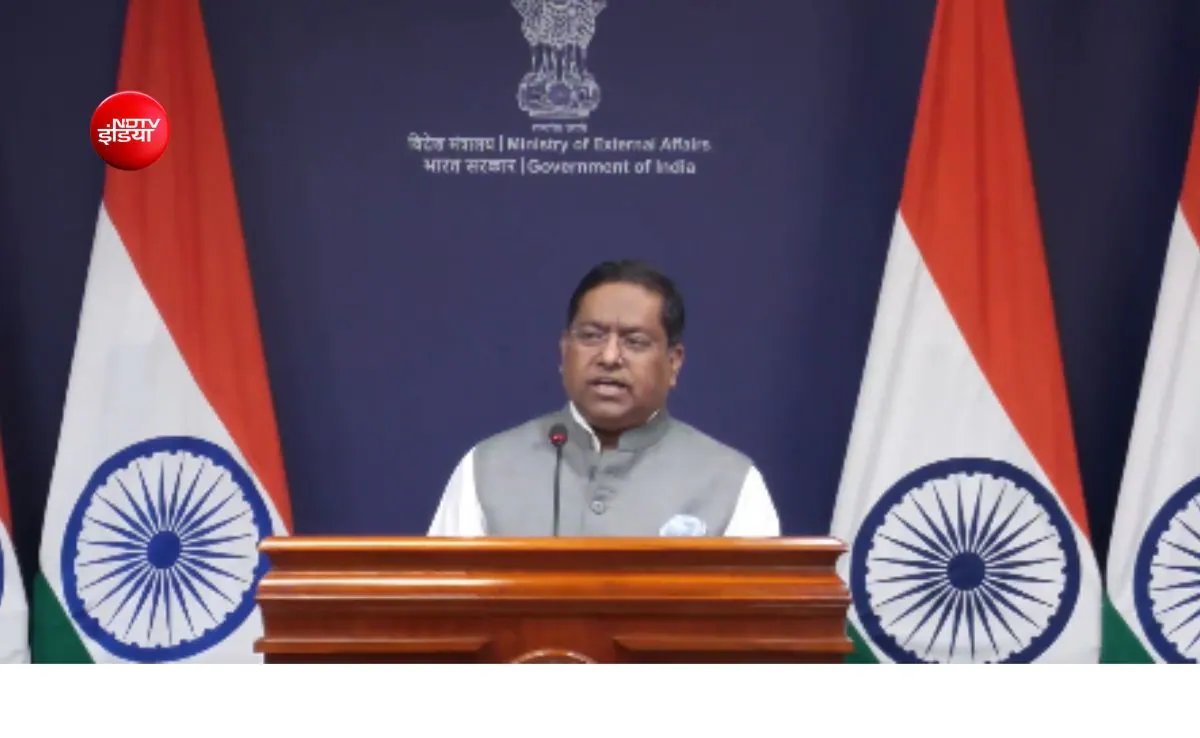
Over the past week, MEA confirmed that roughly 3,000 stranded Umrah pilgrims have boarded flights back to India. The same period saw more than 10,000 regular pilgrims depart on scheduled services, bringing the total repatriated count to around 13,000. One mother in Jeddah, who had waited 12 days for her husband to return, finally boarded a flight, underscoring the human toll of the delays. The moves were part of a broader strategy to clear the backlog caused by travel restrictions and the pandemic.
The Indian Embassy in Riyadh and the Consulate General in Jeddah spearheaded the effort, liaising with airlines and tour operators to secure seats. Jaiswal said that 24‑hour control rooms had been set up, and local volunteers were delivering welfare assistance on the ground. Contact numbers and WhatsApp links were posted on X to keep stranded citizens informed.
Meanwhile, a separate incident at King Fahd International Airport on Oct 21 claimed the lives of two Indians. The embassy released a statement mourning the deaths and coordinating with families. Eight others were injured, including two Indians, and Saudi civil aviation authorities are conducting damage assessments.
MEAs coordination is now focused on arranging flights for the remaining pilgrims, with officials monitoring the situation closely. The ministry has also reiterated its readiness to provide emergency support wherever needed. Flights are expected to resume for the remaining 2,000 or so pilgrims in the coming days.