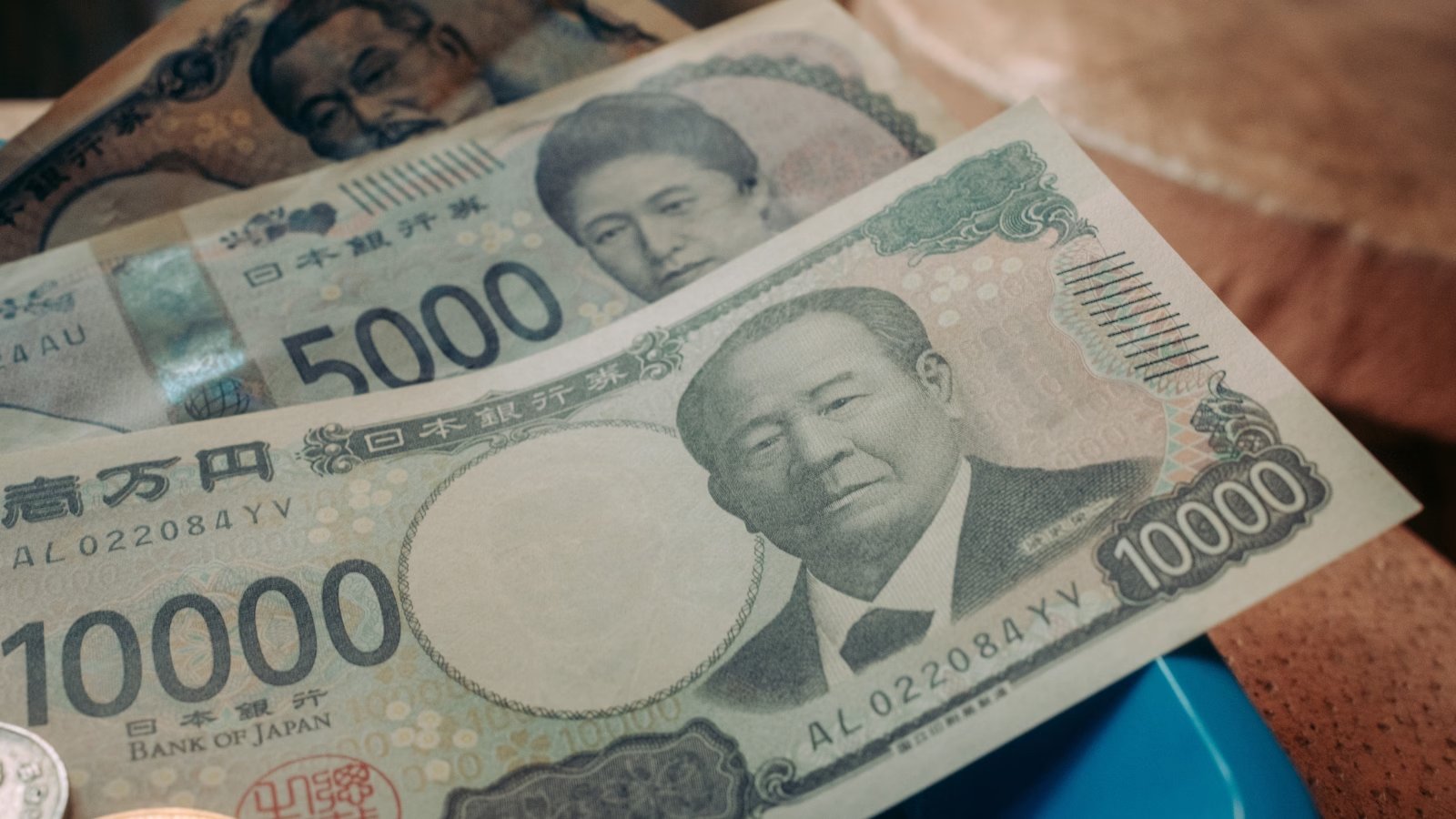
The yen broke 160. Panic followed immediately.
Japanese currency bears slammed the brakes in volatile trade after the yen breached the psychologically critical 160-per-dollar mark for the first time since September. Spiking US Treasury yields initially hoisted the greenback, dragging the Japanese currency down by as much as 0.2%. Yet the rout reversed within hours on fears that Tokyo would order immediate open-market intervention. The yen clawed back most intraday losses to finish down less than 0.1% at 159.88 per US dollar.
Traders treated the round number as a direct tripwire.
The moment 160 popped, it seemed like resistance. Traders established that anything beyond that is unacceptable and unlikely to remain per financial authorities who want to see the yen propped up, protected, valued higher." >
Juan Perez, Foreign Exchange Trader, Monex USA
Japan's top currency diplomat drew a line in the sand on Thursday. Atsushi Mimura, Japan's chief currency official, warned that foreign exchange swings across recent sessions had been "too fast" — a deliberate verbal escalation designed to shake speculative leverage out of the market. Mimura explicitly invoked the direct currency intervention conducted over the summer, when the yen plunged to a 40-year low near 164 per dollar before authorities struck back.
While Japanese policymakers repeatedly insist they target volatility and disorderly velocity rather than arbitrary price levels, currency desks continue to treat 160 as the red zone.
"Markets are jittery about potential FX intervention whenever we approach the 160 area," said Win Thin, chief economist at Bank of Nassau 1982.
| Currency Metric | Official Level / Figure |
|---|---|
| Session Low | Breached 160.00 per US dollar |
| Session Close | 159.88 per US dollar (-0.1%) |
| Maximum Intraday Drop | -0.2% |
| Summer 40-Year Low | Nearly 164.00 per US dollar |
| Total Summer Intervention Outlay | ¥15.4 trillion across 3 operations |
Market Context: The standoff highlights the persistent structural divergence between the Federal Reserve and the Bank of Japan. Resilient US economic momentum and climbing Treasury yields continue to siphon capital into dollar assets. Yet Tokyo's willingness to deploy massive foreign exchange reserves severely curtails how far hedge funds dare to drive short yen positions.
The memory of state action remains sharp across institutional desks. Japanese authorities intervened directly in currency markets three times over the summer, burning through an unprecedented ¥15.4 trillion to halt the currency's freefall. That campaign included a rare, coordinated joint action between Tokyo and Washington in late July, which inflicted heavy losses on algorithmic momentum traders betting against the yen.
Some institutional desks view near-term intervention as a lower probability, even as spot rates dance along the brink. Howard Du, foreign exchange strategist at TD Securities, noted that fresh physical intervention risks remain subdued for now precisely because the summer offensive demonstrated Tokyo's operational resolve.
"Memory of the Ministry of Finance’s intervention is still fresh," Du noted.
For now, the battle lines are drawn. Currency desks across Tokyo, London, and New York are holding positions light, watching whether benchmark US 10-year yields climb further or if Japanese officials back up Mimura's rhetoric with active checks on bank trading books.