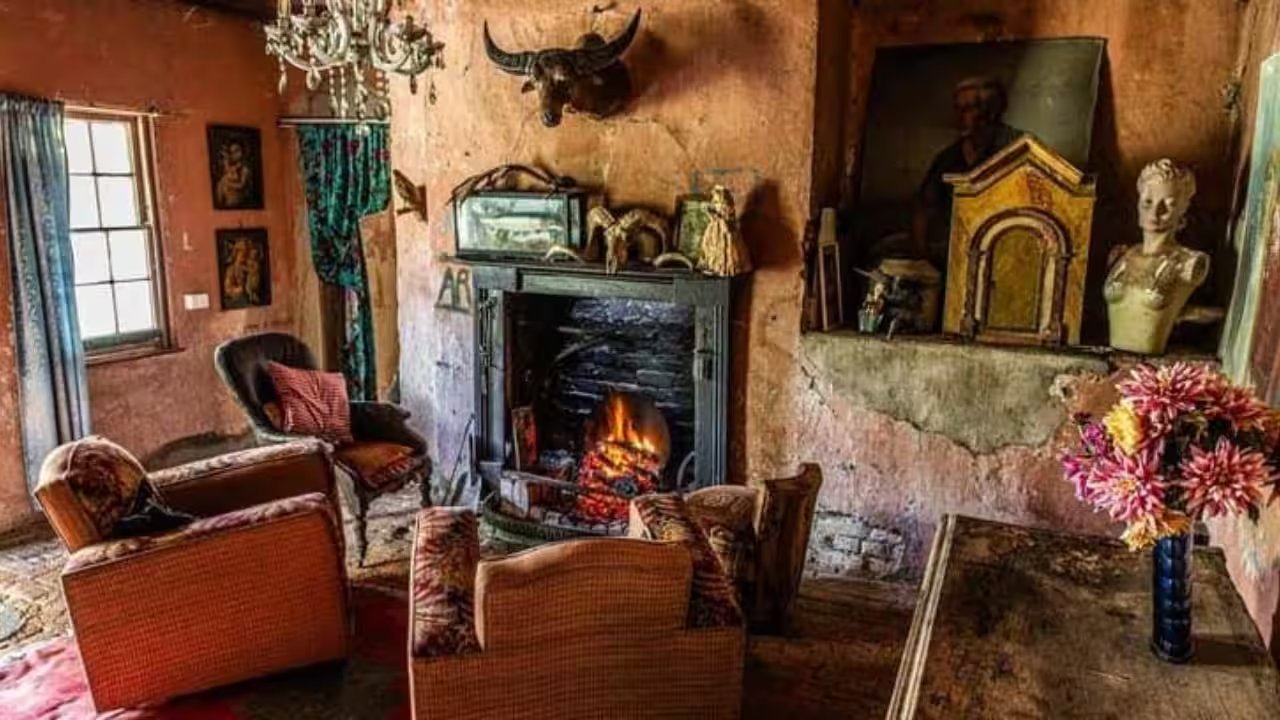
Rainham, a sprawling 32-hectare estate in Orton Park, has changed hands for just the second time in its 193-year history. The 1832 Georgian mansion at 720 Vale Road, Bathurst, sold for A$1.6 million, a figure that closed the gap from its February guide price of A$1.8 million. Grant Maskill-Dowton, the agent at Raine & Horne Bathurst, noted the property drew more inquiries than any other listing he marketed in the previous two years.
The previous owners, musician Richard Miller and flautist Suzy Miller, bought the homestead in 2012 for A$500,000. While many historic homes undergo invasive modernization, the Millers took a radically different approach. They stripped away layers of wallpaper to reveal original Georgian-era calcimine paint and preserved aging lino in the kitchen. This deliberate resistance to change kept the interior largely untouched, allowing the new owners to encounter the home much as generations before them had.
The estate’s history is inextricably linked to one of Australia’s oldest real estate brands. Captain Thomas Raine, a merchant and pastoralist, built the house using convict labor and lived there with his wife Fanny and their 10 children until his death in 1854. Some family members are believed to be buried on the land. Captain Raine was the grandfather of Thomas Raine Jr., who co-founded Raine & Horne, and the great-great-grandfather of the company’s current executive chairman, Angus Raine.
The new buyers are locals who intend to maintain the estate’s heritage character rather than reworking it wholesale. They plan to relocate their Highland cattle stud to the property, integrating agricultural use with conservation. This mirrors the philosophy that has protected the site’s value: preserve first, improve carefully.
With the sale finalized, the next chapter for Rainham begins under new stewardship. The estate remains a physical link to Bathurst’s early development, its greatest asset being the survival of original details and untouched landscapes. The new owners now hold the keys to a property where history is not just displayed, but lived in.