New ZealandAsylumDebtImmigrationIndia
New Zealand Tribunal Rejects Indian Couple's Asylum Over ₹1.8 Crore Debt
Published: November 2, 2026
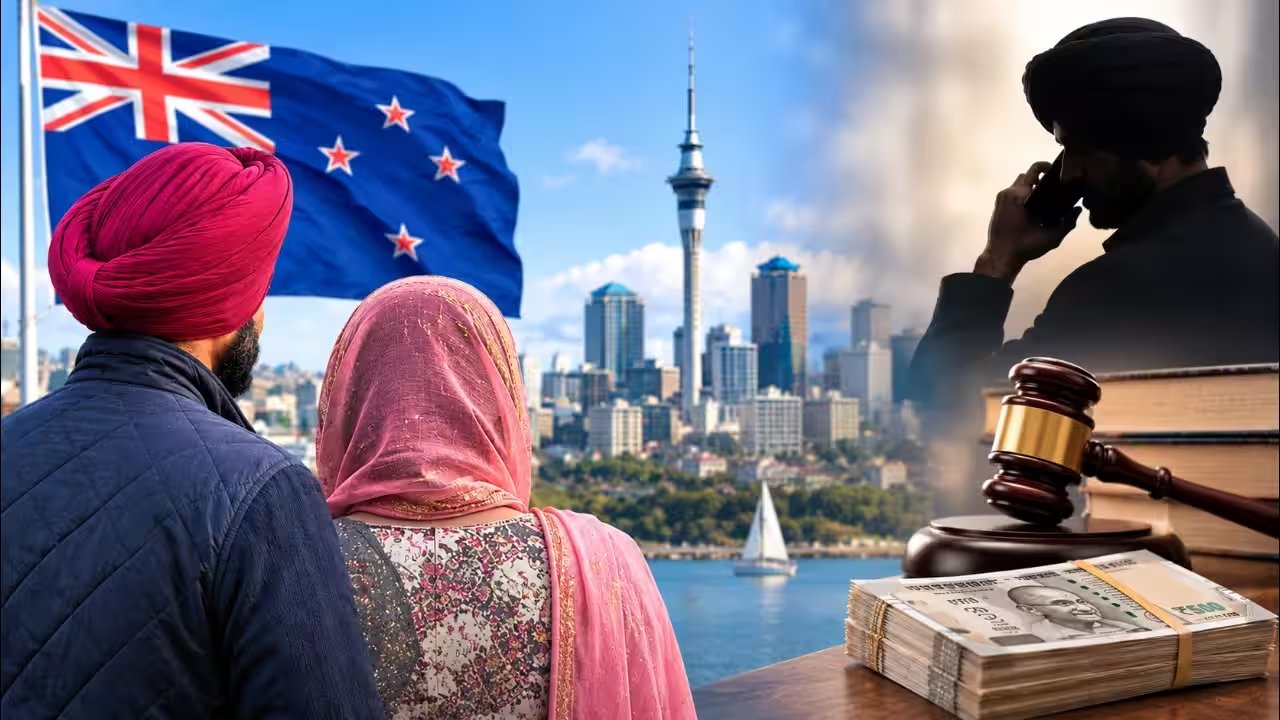
On October 29, New Zealand’s Immigration and Protection Tribunal dismissed the refugee claims of an Indian Sikh couple who fled a Punjab-based moneylender after their loan of NZ$56,000 ballooned to NZ$336,000. The ruling classifies the threat as a civil debt dispute rather than persecution, forcing the couple to confront legal proceedings in India.
Tribunal member B L Burson ruled on October 29 that the Indian couple’s fear of returning to Punjab does not meet the threshold for refugee protection under the Refugee Convention. The decision, issued without an oral hearing, labels the case "manifestly unfounded" because the core issue is a financial default, not state-sponsored or targeted persecution based on race, religion, or political opinion.
The math behind the panic is stark. The husband and his father-in-law borrowed NZ$56,000 (approx. ₹30 lakh) in March 2016 from an unlicensed lender to fund the wife’s education. By April 2024, that figure had exploded to nearly NZ$336,000 (approx. ₹1.8 crore) due to 2% monthly interest. The couple claimed the lender escalated from calls to physical violence, assaulting the father-in-law and threatening to kill the husband.
Burson’s logic cuts through the fear. He argued that killing the debtor would destroy the lender’s ability to recover the money. The tribunal noted the couple could have sought police protection in India or pursued judicial remedies, rejecting the notion that private criminal acts equate to international protection grounds. This moves NZ away from treating private debt collectors as state actors.
The ruling highlights a widening gap between migrant expectations and legal realities. The IPT flagged a growing pattern of overseas students and workers using refugee status to escape repayment obligations. For this couple, the safety net of asylum is gone. They now face the prospect of returning to Punjab to deal with dishonour cheques and a creditor who claims "powerful connections" across India.