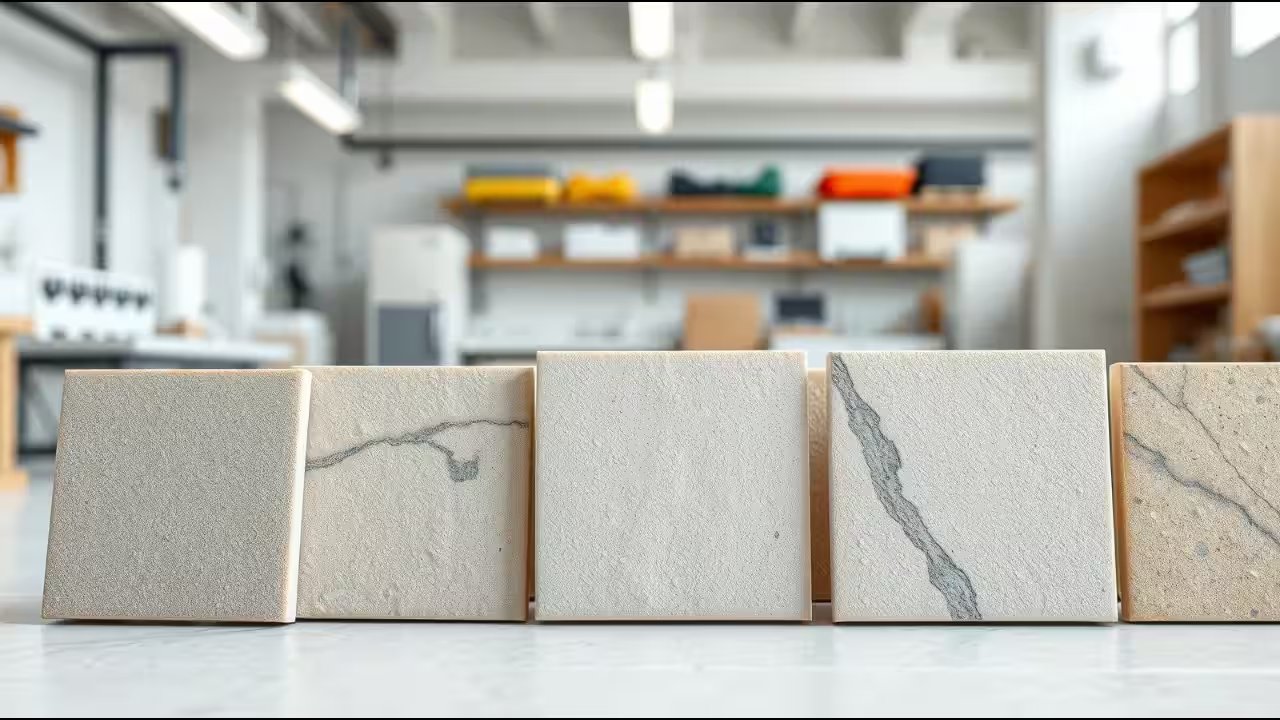
DeKiln’s BioSintering technology replaces the high‑temperature kiln with a low‑temperature curing stage that can be run at 30–35 °C, a drop of up to 90 °C from conventional processes. It blends recovered gypsum plaster—waste from the country’s 980,000‑tonne annual plasterboard stream—with a proprietary bio‑based binder, producing a precursor that behaves like ceramic powder.
The shift matters because firing ceramic tiles at 850–1,250 °C consumes around 80 % of the industry’s energy and emits a quarter of the sector’s CO₂. DeKiln’s pilot claims a 90 % cut in energy use, with life‑cycle analysis showing only 0.81 kg CO₂‑eq per square metre and 94 % fewer CO₂ emissions overall.
In May 2026, DeKiln unveiled a partnership with Johnson Tiles, which will run a three‑month pilot in Stoke‑on‑Trent. The plant will use existing tile presses, requiring only minor retrofits and training, and will test the tiles’ flexural strength (up to 25 MPa) and water absorption (below 10 %). Johnson’s production manager, Rajeev Patel, said the move could free the factory from costly kiln maintenance.
An independent assessment by the University of Manchester corroborates the environmental gains, noting that the low‑heat curing also drops particulate air pollution by 99 %. The tiles are already being marketed for indoor wall use in dry settings, but DeKiln is eyeing larger commercial and residential markets.
Funding from the UK’s Royce Industrial Programme and support from Teamwork Italy have helped the firm move from lab to pilot. DeKiln plans to seek full certification by late 2027 and aims to capture up to 10 % of the UK tile market if the pilot proves scalable.