Iran WarEnergy CrisisAsiaEconomic LossesPoverty
Asia Faces Second Wave of Energy Shocks from Iran War
Published: May 11, 2026
Loading article...
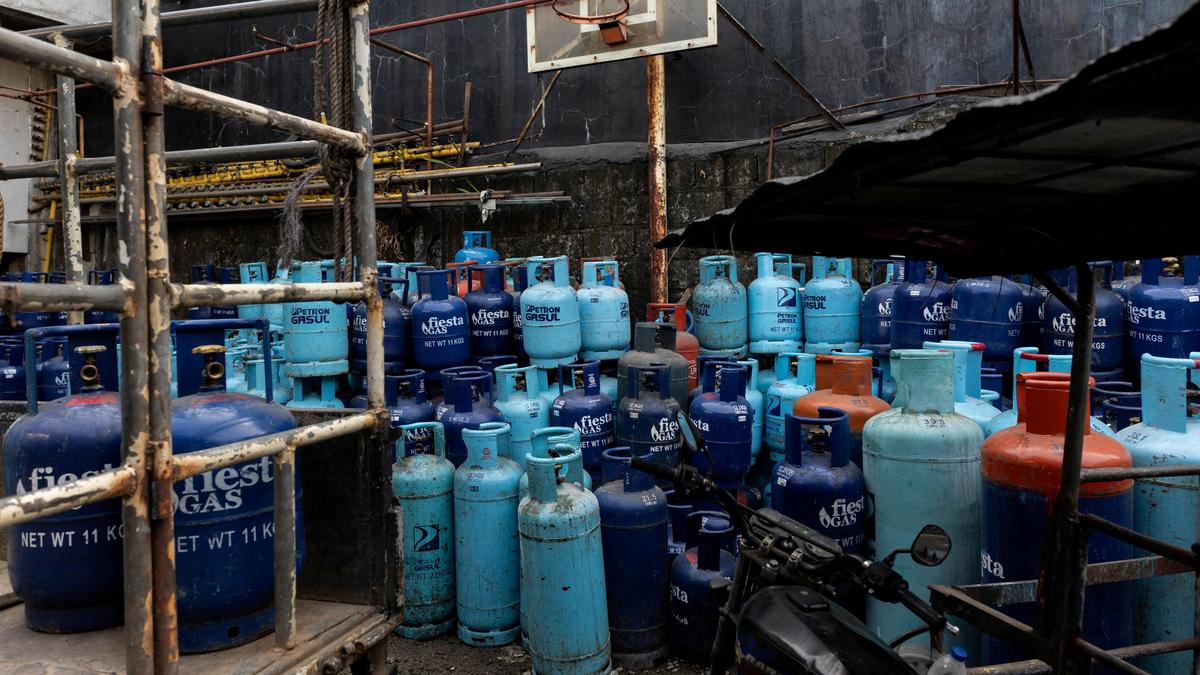
The Iran war has caused a critical shortage of energy in Asia, with the closure of the Strait of Hormuz and rising costs of airfare, shipping, and utilities. According to the United Nations Development Program, the region is expected to suffer $299 billion in economic losses and 8.8 million people are at risk of being pushed into poverty.
The Philippines has shifted to a four-day work week to save fuel, while Thailand has abandoned its diesel price cap and Vietnam has extended a suspension of fuel taxes.
Governments in the region are facing a stark choice between maintaining costly subsidies, straining public finances, or cutting them to pass higher costs on to consumers, risking a public backlash.
The war's eventual end will not bring quick respite to Asia, as the global oil and gas trade will not bounce back immediately, and it will take time to restart production. The immediate outlook includes continued economic strain, potential poverty increases, and governments debating and implementing longer-term solutions to diversify fossil fuel suppliers and develop nuclear and renewable energy.