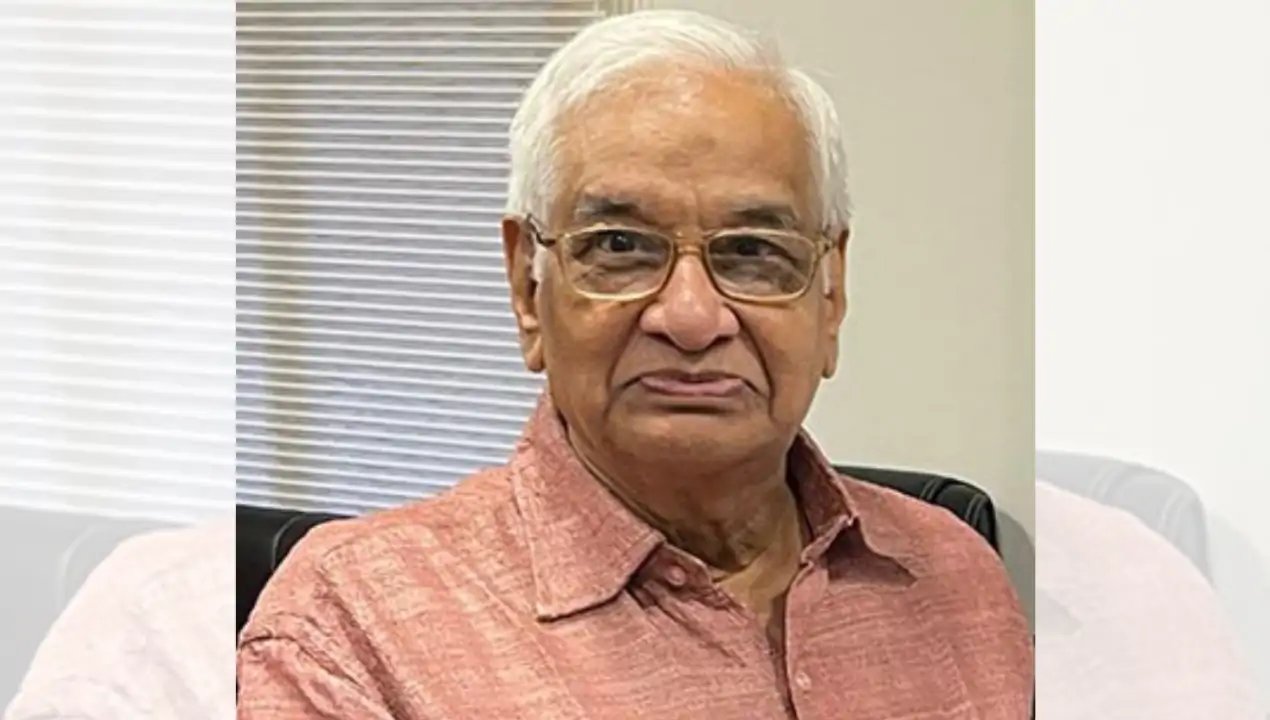
Justice RC Chavan, a retired Bombay High Court judge, submitted his resignation from the Maharashtra Uniform Civil Code committee on September 19, a move accepted by the state government on Monday. The two-day gap between his second meeting attendance and departure signals a sharp internal fracture. Chavan specifically objected to the methodology for gathering public input and raised questions about the presence and influence of a non-member during the online discussions.
The seven-member panel, led by retired Supreme Court judge Justice Ranjana Desai, was constituted in July with a six-month mandate to draft implementation rules. The committee also includes former High Court judges S G Mehare, ex-chief secretary D K Jain, former advocate general Virendra Saraf, constitutional expert Ramesh Patange, and educationist Suvarna Rawal. Chavan’s exit leaves the group with one less legal heavyweight as it navigates sensitive personal law reforms.
Political pressure on the timeline is mounting. Chief Minister Devendra Fadnavis has publicly stated that the UCC bill will be introduced during the winter session of the legislative assembly, contingent on the panel’s report. This local push follows Union Home Minister Amit Shah’s announcement in Mumbai that BJP-led NDA governments in 21 states aim to enact the UCC before 2029. Shah noted that the abolition of triple talaq has already secured equal rights for Muslim women, framing the UCC as the next logical step in legal uniformity.
The resignation forces the committee to address procedural grievances immediately to maintain momentum. With the winter session approaching, any further delays risk derailing the state government’s legislative agenda. The panel must now clarify its feedback mechanisms and member roles to prevent further attrition before submitting final recommendations.