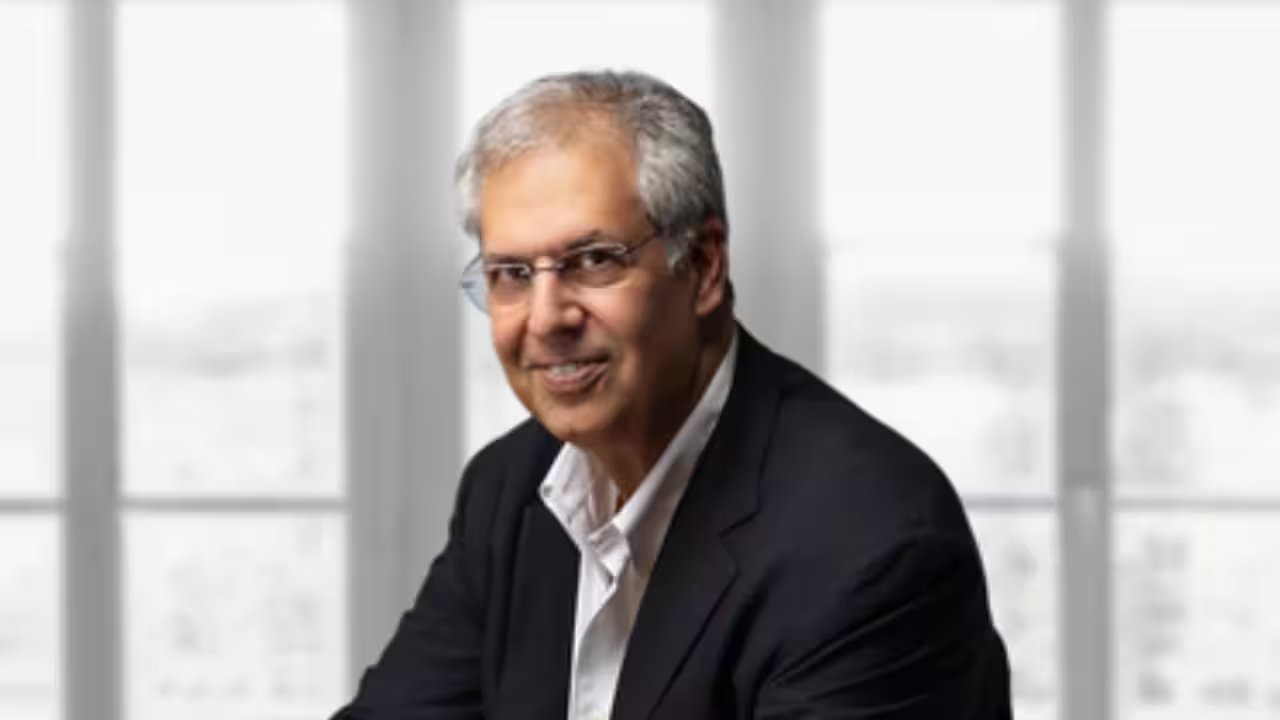
The struggle over the future of India's largest conglomerate broke into public view on Saturday.
Tata Trusts Chairman Noel Tata drew a hard line against taking holding company Tata Sons public, warning that an influx of public market investors would destroy the group's philanthropic foundation. Speaking at a leadership summit in New Delhi, Noel cautioned that adding tens of thousands of market participants would inevitably subvert the institution's historic balance between nation-building and balance-sheet returns.
The clash is existential.
Tata Trusts controls a decisive 66% stake in Tata Sons. A rival 18.37% bloc belongs to the Shapoorji Pallonji Group, which has backed a stock market float to extract liquidity and crystallise the value of its holdings. But Noel dismissed the corporate push for a public listing, arguing that stock market pressures would warp the group's primary identity.
My worry is that listing, which is what some people are proposing, will change the Tata way. And one day, if we have 30,000
40,000 shareholders, profit may take precedence over philanthropy. And I think that will fundamentally change the Tata way of working," Noel said. "Tata Trusts will play a constructive role with regulators and others to try and find a solution which keeps the Tata way the way it is."
Pressure to list mounted after the Reserve Bank of India rejected Tata Sons' application in September 2026 to surrender its core investment company registration. That rejection shut down the holding company's primary defense against mandatory listing rules targeting upper-layer non-banking financial companies.
Faced with the central bank's refusal, the Tata Sons board acted fast. At a September 17 board meeting, directors pushed through formal preparatory steps toward an initial public offering to meet statutory obligations. During that same session, the board cleared a fresh five-year term for Chairman N Chandrasekaran by a 4:1 margin, reversing his August declaration that he would step down after February 2027.
Noel opposed both decisions. Tata Trusts subsequently challenged the legality of Chandrasekaran's reappointment.
For Noel, the holding structure exists precisely to insulate operating companies from short-term financial engineering. "The owner cannot die, the owner cannot be bought and the owner cannot retire," he said. "There is continuity in what happens the Tata way."
Beyond the listing fight, Noel scrutinized the group's operational delivery, warning that capital allocation must sharpen as Tata commits billions to long-gestation industrial wagers, including its first commercial semiconductor fab and an electric vehicle battery facility. While praising retail success stories like Trent—the group's retail engine behind Westside and Zudio—he questioned whether large-scale projects possess sufficient delivery discipline.
"Philanthropy on one hand. Nation building on the other. This is independence of leadership and personalities and this will continue," Noel said. "I do not question the direction of what we have done. I question, sometimes, the delivery of what we are doing. The question is, do we have the discipline when we execute projects, and not the direction?"
Yet the Trusts do not speak with one voice. Tata Trusts Vice-Chairman Venu Srinivasan and fellow trustee Vijay Singh have argued that public listing brings vital transparency, reduces succession ambiguities, and enforces institutional governance. In a November 11 letter to trustee Darius Khambata, the pro-listing camp argued that charitable control can survive public markets, citing global foundation-controlled corporations such as Novo Nordisk, Hershey, Lundbeck, and Demant, alongside Tata's own listed flagships like TCS, Tata Steel, Tata Power, and Tata Motors.
| Stakeholder / Entity | Shareholding | Position on Tata Sons Public Float | Primary Objective |
|---|---|---|---|
| Tata Trusts (Led by Noel Tata) | ~66% | Strongly Opposed | Preserving philanthropic focus and avoiding market pressures |
| Shapoorji Pallonji Group | 18.37% | In Favor | Unlocking investment liquidity and establishing asset market value |
| Tata Sons Board Majority | — | In Favor (Approved 4:1) | Complying with RBI upper-layer NBFC listing regulations |
Tata Trusts will now initiate formal discussions with regulatory authorities to negotiate an alternative compliance mechanism that averts an exchange listing ahead of central bank deadlines.