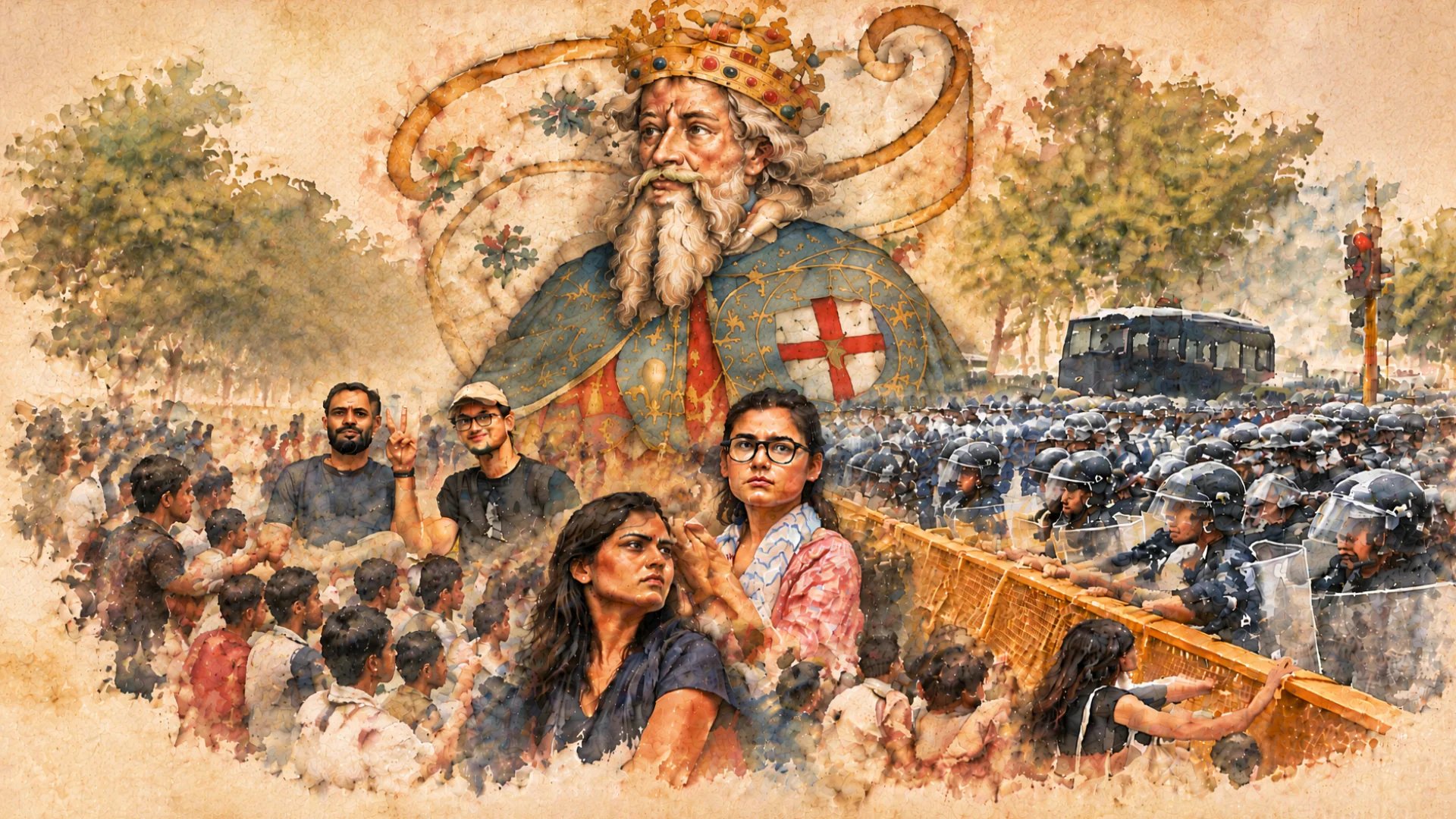
While Delhi sat under the rule of Sultan Feroz Shah Tughlaq, England’s Commons sat on the edge of the Hundred Years' War, fearing a surge of ex‑soldiers back home.
Parliament responded by drafting the Peace Act of 1361, a decree that mandated each county to appoint one lord and three or four trustworthy men to enforce order among the returning troops.
These local officials were granted the power to detain suspected soldiers – branded as "pillars" and robbers – and to demand oaths of good conduct to secure their compliance.
In addition, the Act allowed laborers who fled their masters to be marked with an "F" on the forehead, a visible sign of their falsehood and a deterrent against desertion.
The harshness of the law reflected the brutal legal culture of the era and foreshadowed the more formalized control mechanisms that would later appear in colonial statutes.