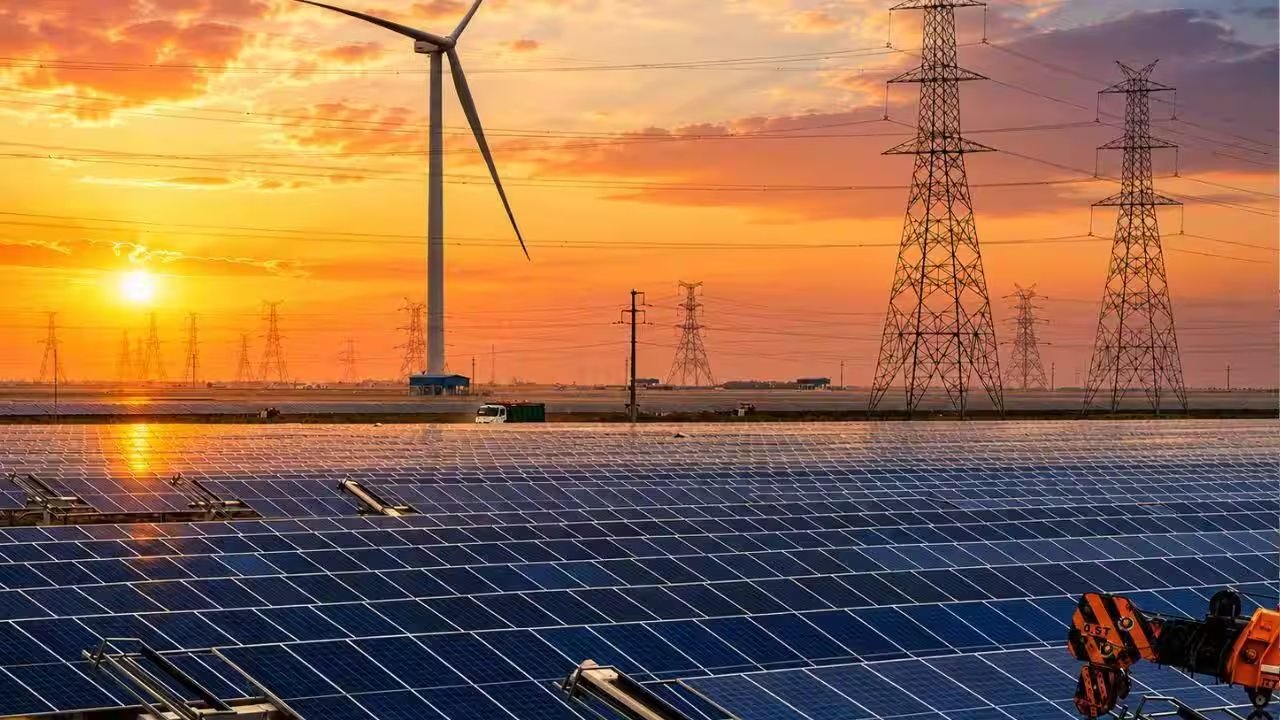
ISMA's latest report says India’s rooftop solar market could swell to 132 GW by 2030, more than seven times the 17 GW installed today. That translates to an annual demand of 9‑15 GW for the next decade.
The assessment pulls from national residential consumption data, housing stock and utility tariffs. It also flags an "affordability effect"—solar is now pulling households beyond the sunniest states. The PM Surya Ghar Muft Bijli Yojana, launched in February 2024, has already hit 47.8 lakh installations, 16.8 GW, touching 56.9 lakh families.
Amit Manohar, ISMA’s general secretary, said the scheme has been a catalyst in markets where economics were tight. He urged the government to announce a PM Surya Ghar 2.0 by December 2026 to avoid a post‑2027 slump.
The projected jump would spur domestic demand for solar cells, modules, inverters and balance‑of‑system parts. Manufacturers need clarity on capacity expansion and supply chains to meet the expected 132 GW. But without policy continuity, the market could stall.
The Ministry of New and Renewable Energy has already disbursed over ₹31,515 crore in central aid, yet state schemes vary widely. Next steps: Parliament is set to review the scheme's renewal in early 2027.