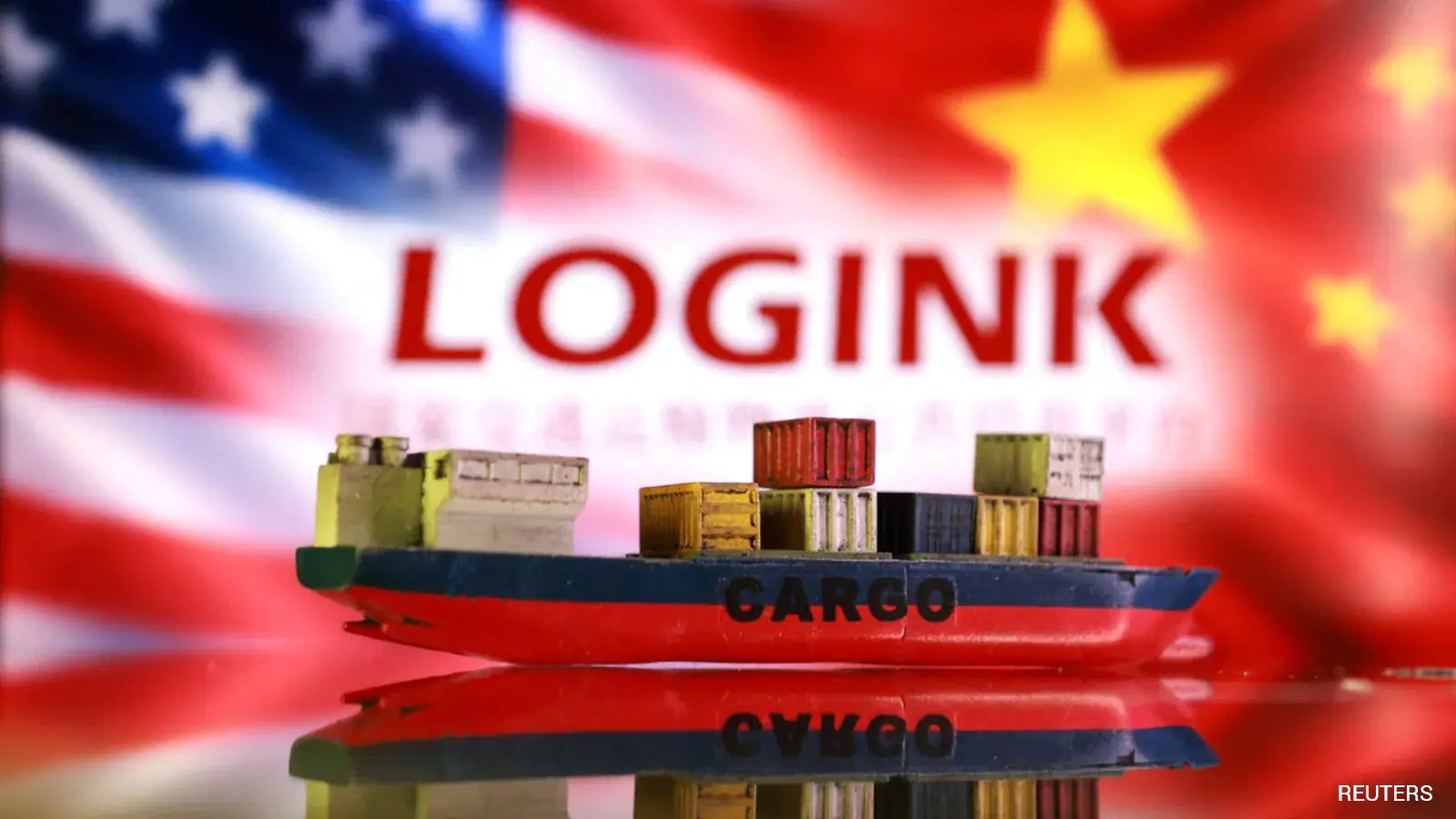
LOGINK, launched in 2004 in Zhejiang province as a local logistics hub, evolved into a national platform that promised to merge data from ports, trucks, and vendors into a single searchable database. In 2010 it signed a cargo‑data‑sharing pact with Japan and South Korea, and by 2015 a Chinese transport ministry press release claimed it could tap more than 90 % of global ship‑tracking data. The platform’s ambition was to become a one‑stop portal for worldwide logistics, a vision that drew the attention of Beijing’s policymakers and the world’s shipping majors.
In 2022, U.S. lawmakers raised alarms when the platform could enable Beijing to harvest non‑public cargo details that might give Chinese firms a competitive edge. Randall Schriver, chair of the U.S. Congress trade commission that released a 2022 report on LOGINK, said the U.S. had ‘named and shamed’ users of the system. He warned that LOGINK could also track sensitive military shipments, including U.S. arms bound for Ukraine and Taiwan, through commercial freight networks.
By September 2024, the LOGINK headquarters in Wenzhou had turned into an abandoned shell: lights off, reception empty, and all computer cables stripped. Shipping experts who visited the site said the platform had ceased operations and that its flagship global partnerships were stalled. The company is now embroiled in at least 15 lawsuits over unpaid bills, as revealed by legal filings reviewed by Reuters and corroborated by more than 20 insiders.
China’s transport ministry, however, issued a June 2024 policy directive urging integration of LOGINK with domestic data streams, signalling a potential revival. Meanwhile, U.S. officials have prohibited the platform’s use in their own port infrastructure and urged allies to follow suit. The next week, Washington is scheduled to brief the G7 trade ministers on a coordinated stance against LOGINK.