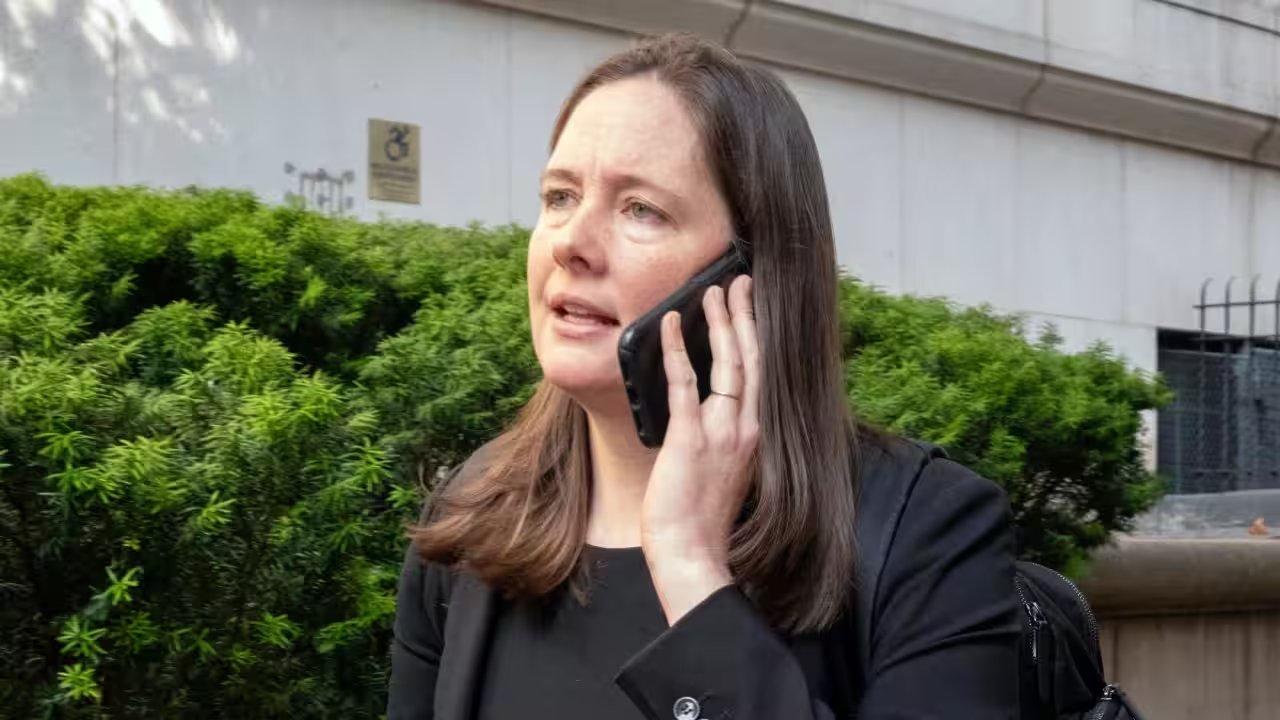
Jesse M. Furman threw out the administration’s argument that the president’s powers over federal prosecutors are absolute, citing nearly two centuries of Supreme Court precedent that limits executive overreach. The judge wrote, "The court concludes the defendants are wrong," rejecting the claim that Congress cannot regulate the removal of federal prosecutors.
Maurene Comey, who served as an assistant U.S. attorney for ten years, handled high‑profile cases and received top praise from supervisors and peers. After her July dismissal, she filed a suit alleging unconstitutional violations of the separation of powers, the First Amendment and the Fifth Amendment’s Due Process Clause, claiming the decision was motivated by her father’s criticism of President Trump.
James Comey, the former FBI director dismissed by Trump in 2017, had long been a vocal critic of the administration. The dismissal of his daughter echoes earlier disputes over political interference in federal law‑enforcement agencies.
The court’s decision may open the door for congressional inquiry into how federal prosecutors are removed, potentially reshaping the balance of power between the executive and the judiciary. A hearing could be scheduled within the next congressional session.
For the families of prosecutors, the ruling signals a shift: A former colleague of Comey, who lost a promotion after a brief tenure, said the case "reminds us that the system is still alive and can be challenged."