David J. Rush, 49, of Ashburn, Virginia, signed a guilty plea on October 6, 2026, admitting he stole $193,590,400 from the US Treasury. The former senior federal executive, who held a Top Secret/Sensitive Compartmented Information clearance, did not simply skim cash from accounts. He built an entire shadow government. According to the Department of Justice, Rush fabricated a "Special Access Program"—a highly restricted bureaucratic structure that did not exist—to justify massive wire transfers. He lied about his education and military service to climb to the level where he could pull off such a stunt.
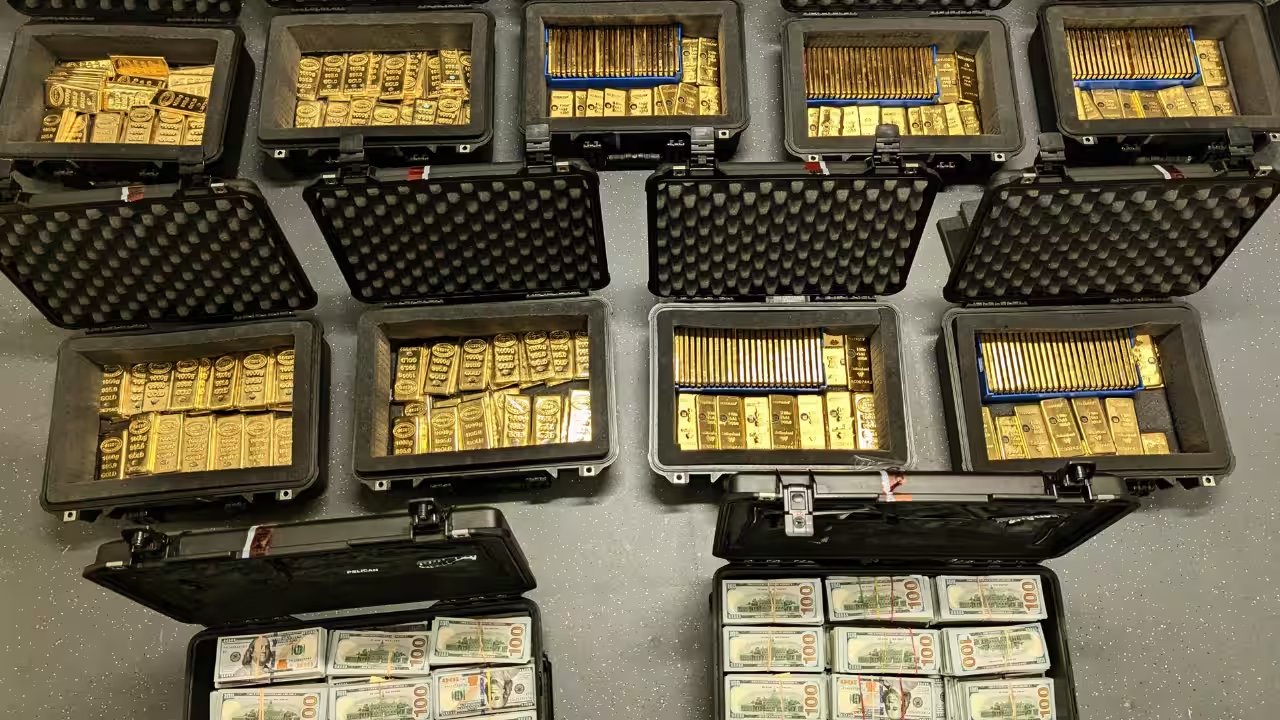
The money didn’t stay in bank accounts. Prosecutors say Rush moved roughly $145 million into luxury assets, including real estate, watches, and at least one car. The gold purchases were the most striking. He bought 298 gold bars, a haul valued at approximately $46 million. When FBI agents raided his home on May 19, 2026, they found the bars stacked alongside $2,106,550 in cash and €104,795 in euros. The raid also uncovered 30 luxury watches, many of them Rolexes, and two 2026 BMW Alpina vehicles, one valued at $172,000.
The case began with an internal CIA review that flagged anomalies. CIA Director John Ratcliffe stated that Rush had "abused his position and betrayed the public trust," referring the matter to the FBI. The FBI investigation revealed that Rush manipulated security protocols designed to protect sensitive national security information to cover his tracks. The Director of National Intelligence has since ordered a separate probe by the Inspector General for the Intelligence Community to determine if others were complicit.
Rush faces a maximum sentence of 20 years in federal prison, plus up to three years of supervised release. He must also pay restitution and a fine. A federal judge will determine the final penalty on January 28, 2027, weighing the US Sentencing Guidelines against the scale of the theft. The Justice Department’s investigation remains open, focusing on how a man with such high-level access could construct a fictional agency and drain nearly $194 million before anyone noticed.