numismaticsEisenhower dollarGreatCollectionsUS Mintcoin auction
GreatCollections Lists $264,000 Eisenhower Prototype For October 2026 Auction
Published: September 21, 2026
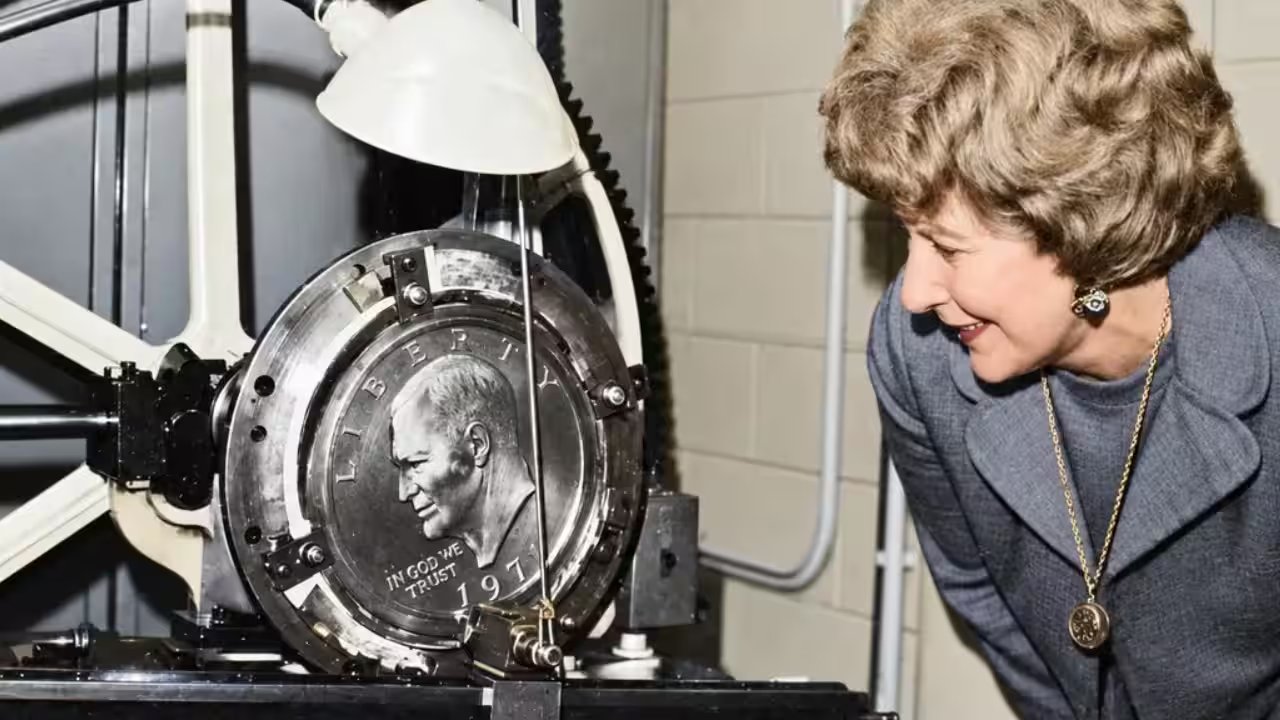
GreatCollections will close bidding on a rare 1971 Eisenhower dollar prototype on October 18, 2026, after it previously sold for $264,000. The Judd-2147 coin, one of only three known surviving experimental mint pieces, returns to market to test the upper limit of modern US numismatic values.
GreatCollections sets the closing bid for October 18, 2026, for a 1971 Eisenhower dollar that spent nearly four decades hiding in plain sight. The coin, cataloged as Judd-2147, is one of only three known experimental prototypes from the United States Mint’s first space-themed dollar series. It carries a PCGS SP67 grade and a CAC sticker, marking it as a top-tier example in American numismatics.
The story begins on February 15, 2008, at the Long Beach Coin Expo in California. Collector Lee C. Lydston pulled the coin from a standard tube of 40% silver dollars sold by a dealer. It looked wrong. The strike was too sharp, the Moon on the reverse bore detailed craters that vanished from final production, and the surface texture defied normal uncirculated or proof issues. Lydston bought it, then sent it to the Ike Group for scientific analysis.
Researchers matched the reverse to an early 1970 galvano held at the Dwight D. Eisenhower Presidential Library in Abilene, Kansas. Chief Engraver Frank Gasparro had originally added those lunar craters, but Mint officials stripped the details before mass production began. Metallurgical testing confirmed the standard 40% silver, 60% copper mix. The coin also displayed heavy die-polishing lines and slight doubling, artifacts of the high-relief striking challenges faced by the 38.5-millimeter planchet.
The mystery deepens with the "S" mintmark. Three prototypes exist, all from San Francisco, yet Mint Director Mary T. Brooks ordered the destruction of trial strikes during a January 25, 1971, press demonstration in Philadelphia. Heritage Auctions researchers suggest the Mint may have sent dies to San Francisco to test equipment for collector coins. How these three pieces escaped official control and ended up in "Blue Packs" remains an open question.
Lydston’s coin sold for $264,000 at Heritage Auctions in January 2022. Two other prototypes surfaced later: one bought for $10 at an Alabama pawn shop in 2010, and another found on eBay in 2013. Compared to the 6.8 million uncirculated silver dollars and 4 million proof dollars struck in 1971, these three coins are vanishingly rare. The upcoming sale will reveal whether the market ceiling for this specific Judd-2147 has risen since 2022.