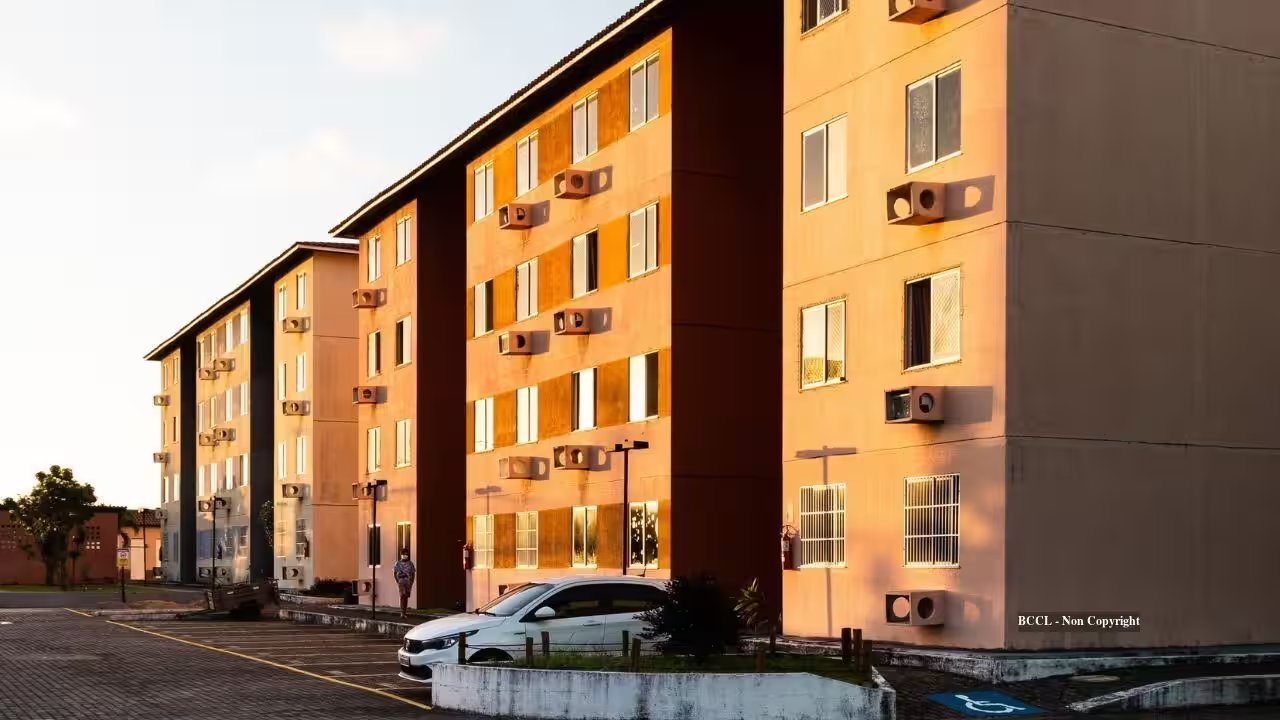
WCST Enterprises won the garage. It also lost $292,544.
The California Court of Appeal issued its final verdict on September 28, 2026, affirming that WCST Enterprises, LLC owns garage space 38G-a in the Huntington Harbor condominium complex. The ruling ends a decade-long legal battle against neighbor Berit Ling, who had occupied the half-garage for roughly twenty years. Yet the victory came with a bitter financial stipend: the court rejected WCST’s motion to recover over $292,000 in attorney fees.
The dispute traces back to the 1960s when Huntington Harbor Corporation developed the complex. Maury Loomis, who owns WCST, purchased Unit 38 in 2018. The sale disclosures explicitly flagged the conflict, noting that Unit 39’s owner, Ling, was using the entire two-car garage. Ling’s deed referenced a non-existent "39G" designation, while WCST’s deed clearly listed spaces 38G-a and 38G-b. Despite knowing litigation was likely, Loomis proceeded with the purchase and filed suit in January 2019.
The legal fight consumed three appeals and two trials. The initial 2020 trial favored Ling, but the appellate court reversed, citing insufficient reasoning. A subsequent trial confirmed WCST’s quiet title claim, establishing the garage as private property rather than common area. WCST then waived its remaining claims, including covenant violations, to secure the title judgment. The trial court labeled WCST the "prevailing party" and allowed a fee motion. That label, the appellate panel argued, was not a "magic incantation."
WCST argued for fees under Civil Code section 5975 and the complex’s CC&Rs. The court found neither applicable because the core lawsuit enforced deed rights, not condominium governing documents. In California, the general rule remains that each side pays its own lawyers unless a specific statute or contract says otherwise. The court emphasized that merely using CC&Rs as evidence does not transform a title dispute into a fee-eligible enforcement action.
The final judgment stands. WCST retains the garage space but absorbs the full legal cost. The decision serves as a stark reminder for property owners in common interest developments: winning the property does not necessarily mean the losing neighbor pays the bill.