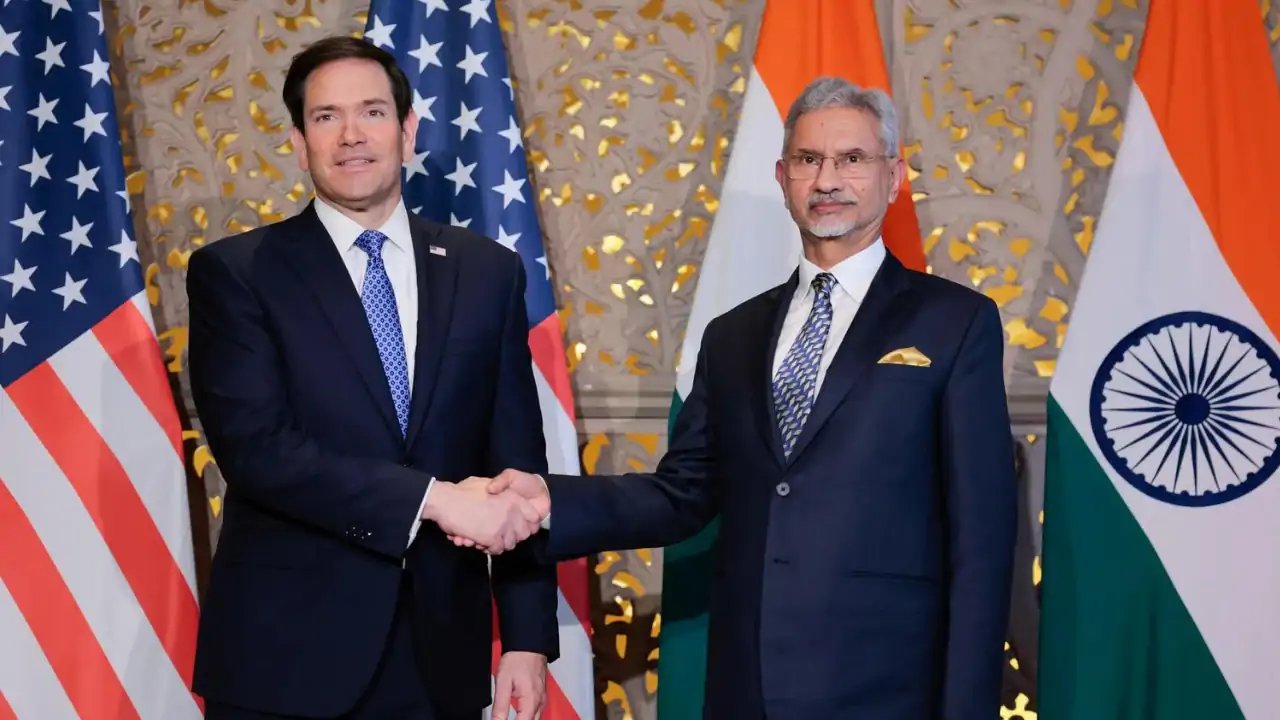
US Secretary of State Marco Rubio landed in Mumbai with a specific mandate: to leverage India’s industrial muscle to patch holes in the global energy market. Standing before reporters, he didn't mince words. "India is a refining superpower," Rubio stated, pointing directly at the country's ability to process heavy crude. He argued that as Venezuelan oil production ramps up, New Delhi is uniquely equipped to handle the supply, a capability he noted has been demonstrated in the past. The rhetoric signals a shift in how Washington views India’s role in global energy security—not just as a consumer, but as a critical processing node.
The logistics are massive. Jamnagar, which Rubio is set to visit during his three-day trip, hosts Reliance Industries’ refinery. It is the world’s largest single-site facility, churning out 1.4 million barrels per day. This infrastructure isn't just domestic. In March, President Donald Trump announced a USD 300 billion partnership for Reliance to build the first new US refinery in 50 years, located in Brownsville, Texas. That capital commitment binds the two nations’ energy futures tighter than ever before.
Rubio acknowledged the friction. Sanctions remain a "few impediments" that Washington and New Delhi must work through. He was clear about the timeline. Venezuela alone won't instantly fill the gap created by geopolitical disruptions, but over time, it will help. "They sound ready," Rubio said of Indian counterparts, noting that bilateral talks on this exact issue have been ongoing since his previous visit in May. That earlier trip saw him meet Prime Minister Narendra Modi and External Affairs Minister S Jaishankar, laying the groundwork for this deeper energy dialogue.
The stakes extend beyond barrels. Rubio’s itinerary includes Jamnagar, a physical symbol of this new strategic alignment. While the visit aims to advance ties in defense, trade, and critical technology, the energy conversation is the headline act. Global markets are watching to see if the US will actually loosen the noose on Venezuelan crude sanctions to let Indian refineries run at full tilt. The next few days will reveal just how serious Washington is about turning this "refining superpower" narrative into a supply chain reality.