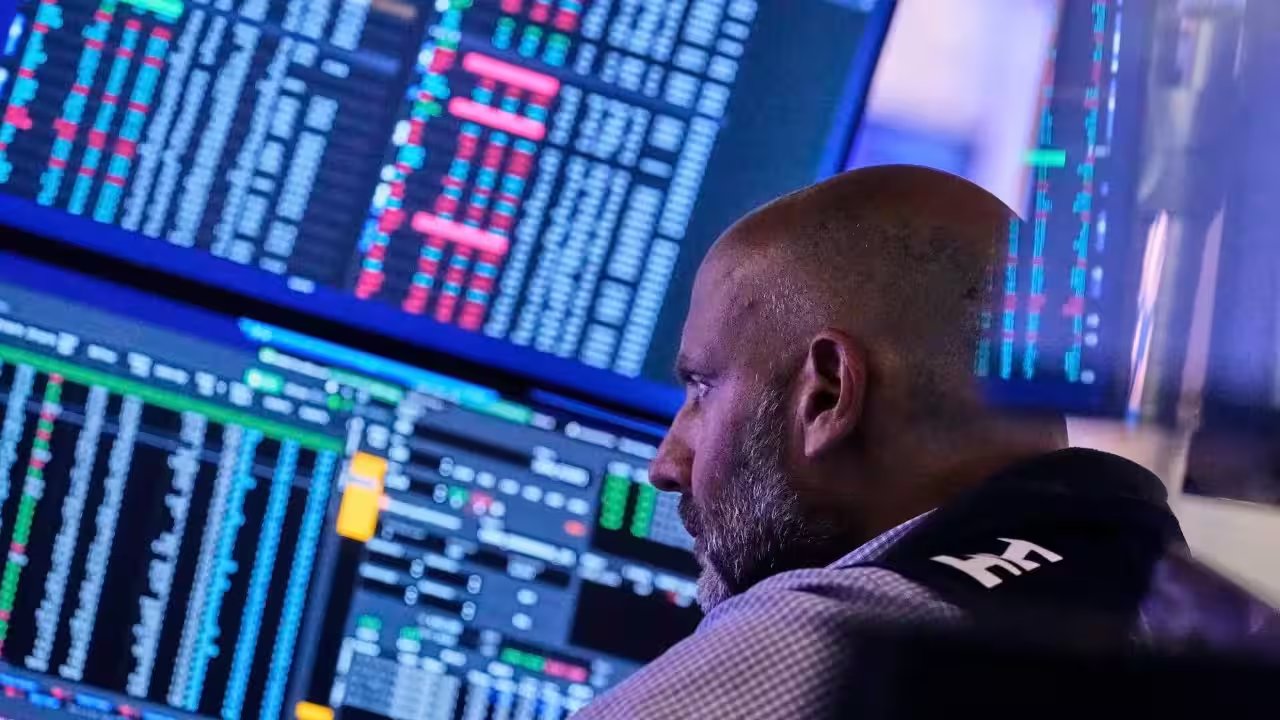
The market didn't care about the AI hype today. It cared about the price of eggs, gas, and rent. US consumer prices jumped to 3.7% year-on-year in September, a sharp acceleration from 3.4% in August and squarely above the 3.6% consensus. That single number sent the S&P 500 down 1.1%, marking its fifth drop in six sessions since hitting record highs. The Dow shed 171 points (0.3%), but the Nasdaq bled harder, sliding 1.6% as growth stocks faced the music.
Bond traders were the true architects of this selloff. The 10-year US Treasury yield climbed to 5.23%, briefly breaching the psychological 5.32% threshold. When yields that high are on the table, equities look expensive by comparison. Investors are demanding a bigger return for the risk, and Wall Street isn't delivering it fast enough. The catalyst? Rising energy prices, partially driven by the ongoing conflict with Iran, are keeping the inflation fire stoked.
Banks, meanwhile, are trying to sell the AI infrastructure story while quietly hedging their bets. Goldman Sachs CEO David Solomon was blunt: “No one knows how the demands for capital and compute will evolve as the broader AI ecosystem matures.” He flagged the need for vigilance. Citi’s Jane Fraser pushed back, noting a persistent shortage of computing capacity and claiming her firm is developing products 40% faster using AI tools. They’re cutting tech vendor costs by 30%. It’s a sales pitch, sure, but the underlying debt burden for data center builds is growing.
Wells Fargo’s Charlie Scharf called the AI buildout a “significant economic force,” but admitted the substantial borrowing involved creates pressure on prices across supply chains. It’s a double-edged sword. Banks want to finance the boom, but elevated interest rates squeeze project returns and make debt repayment harder for borrowers. The sector is betting that productivity gains will justify the capex. So far, the math is shaky.
The takeaway is clear. High valuations leave zero room for error. If earnings disappoint or productivity gains stall, the correction could be sharp. Investors are now watching whether AI-driven efficiency can actually offset the cost of capital. Until then, the 5.3% yield on the 10-year is a warning shot, not a whisper.