electric commercial vehiclesbattery subscriptionEIMFoton Ashwacharging infrastructure
EIM’s Foton Ashwa 4x2 Launches at ₹25 Lakh Without Battery
Published: October 14, 2026
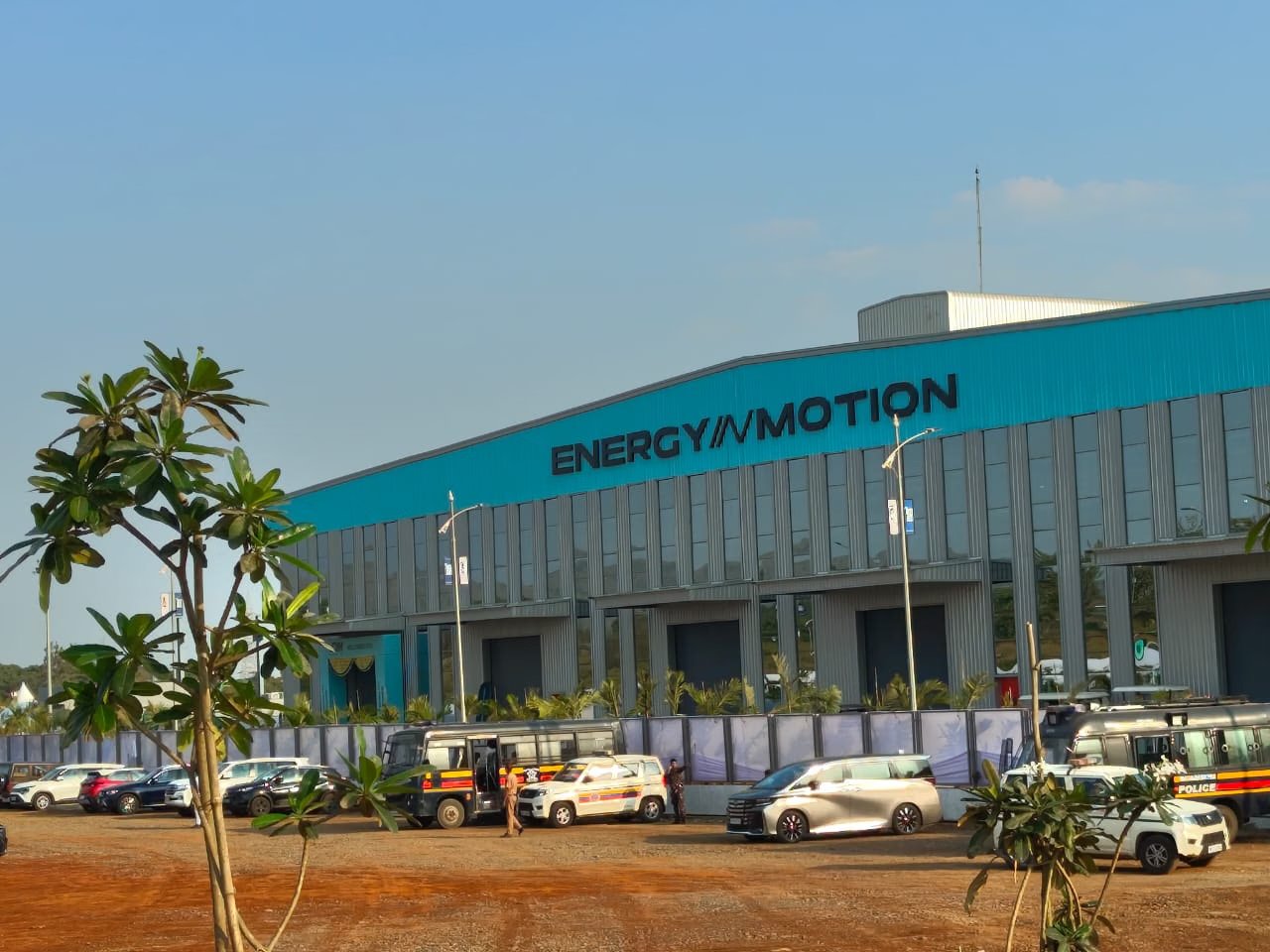
EIM launches its Foton Ashwa 4x2 tractor‑trailer at ₹25 lakh without the battery, supported by a battery‑subscription scheme. The move cuts upfront cost by 40% and promises fleets up to ₹11 lakh in annual savings versus diesel.
EIM’s new Foton Ashwa 4x2 tractor‑trailer is priced at ₹25 lakh without the battery, thanks to its battery‑as‑a‑service scheme. The 55‑tonne GCW rig comes with 282‑kWh and 350‑kWh battery options, but the price tag is for the chassis and drivetrain only.
The five‑to‑ten‑year battery lease trims the upfront cost by roughly 40%. EIM’s math says fleets can recover the higher purchase price in just 2.3 years if they log 100,000 km a year. The running cost works out to about ₹25 per km against ₹36 per km for a comparable diesel, translating into roughly ₹25 lakh a year versus ₹36 lakh.
In a segment crowded by Montra’s Rhino 5538 EV and Blue Energy’s BEM 5548e, the Ashwa’s price edge and swap‑friendly design give it a clear advantage over diesel‑only heavy haulers from Tata, Ashok Leyland and BharatBenz. According to VAHAN, EIM has already registered 206 units in the first half of 2026, a 25% slice of the 821 electric heavy‑haul registrations that year.
EIM isn’t just selling trucks; it’s building a 160‑station battery‑swap and charging network. Eight stations are live, 32 are under construction and the next wave is slated for March 2027. Each station swaps a battery in five to seven minutes and can handle 2.5 MW of load, as seen at the Rewari facility on NH‑48.
Already 500 Ashwa trucks are roving the Mumbai‑Pune, Mundra‑Morbi‑Ahmedabad and Mumbai‑Delhi corridors. The first units hit the road next month, with a full rollout aimed for early 2027. The company is tying expansion to the pace of charging and swapping infrastructure, so range anxiety should ease as the network grows.
For fleet buyers who need a high‑haul, high‑utilisation rig, the Ashwa’s battery‑subscription model turns a higher sticker price into a cost‑efficient operation. The 2‑3‑year payback and expanding swap network should make the decision easier for logistics operators looking to move beyond diesel.