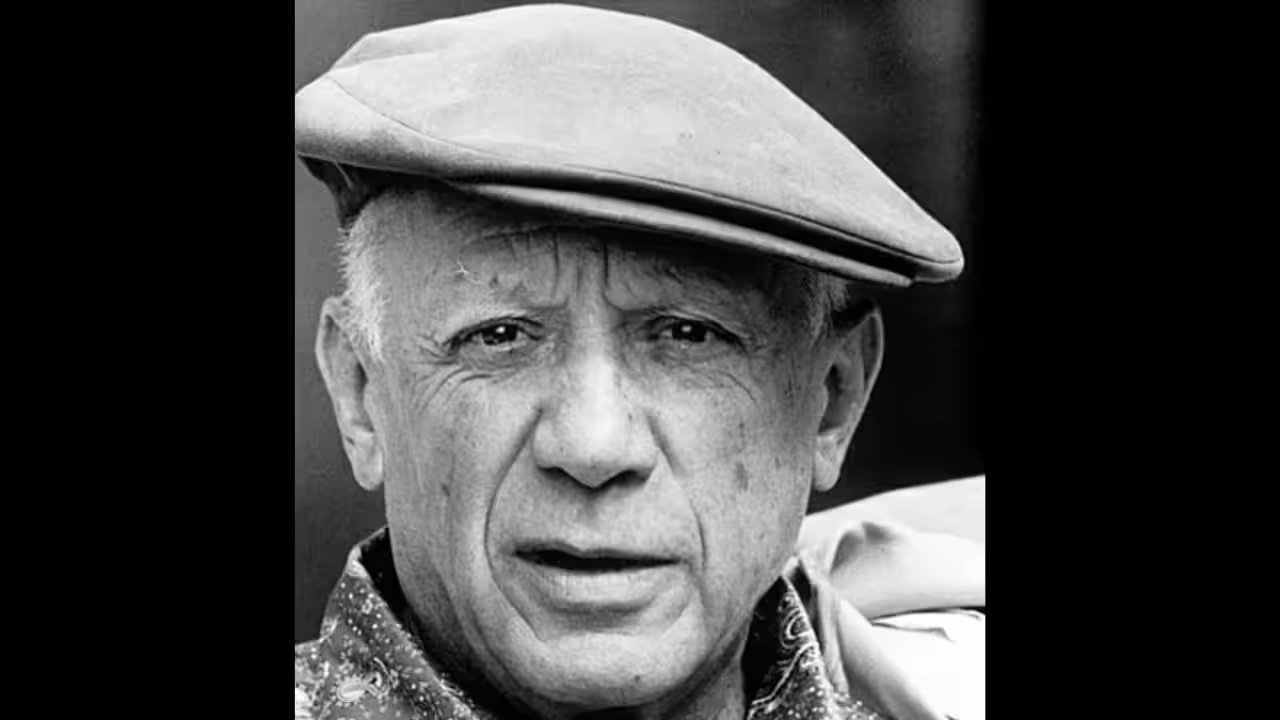
Here’s the thing about your favorite Instagram filter: it’s a lie. It smooths out pores, widens eyes, and adjusts lighting to create a version of you that doesn’t exist in the physical world. Picasso nailed this decades ago when he said, 'Art is a lie that makes us realise truth.' He wasn’t talking about deception; he was talking about the power of distortion to reveal an emotional reality that a raw photograph might miss. When you apply a subtle glow to a photo, you’re not hiding the truth—you’re highlighting the mood.
But there’s a fine line between artistic expression and digital delusion. In a world saturated with AI-generated faces and heavily edited video, the 'truth' we see online is often a constructed fiction. The risk isn’t the editing itself; it’s when the 'lie' becomes the only reality we recognize. If the craft fails—if the edit feels unnatural or manipulative—the emotional connection breaks. You stop seeing the person and start seeing the pixel manipulation. That’s when the 'truth' gets lost in the noise.
So, how do you stay grounded? Stop chasing the perfect, unattainable image. Instead, use your digital tools to express how you feel, not just how you look. A dramatic shadow might feel more honest than a bright, flat selfie. A slightly grainy, unfiltered shot might capture a raw emotion that a smoothed-out portrait can’t. Picasso’s advice holds up: convince others of the truthfulness of your lies. Make the distortion serve the emotion. If your edit doesn’t add depth or feeling, it’s just noise. And in a feed full of noise, that’s the quickest way to disappear.
Try this next time you’re posting: before you hit share, ask yourself, 'Does this image show who I am, or just what I want to be?' If the answer is the latter, hit undo. The most powerful digital art isn’t the most polished; it’s the most human. That’s the truth Picasso was talking about, and it’s the only one that lasts.