Across sub‑Saharan Africa and the Middle East, patients often wait days for a single dose of antibiotics because supply lines are broken—delays that turn treatable infections into fatal ones.
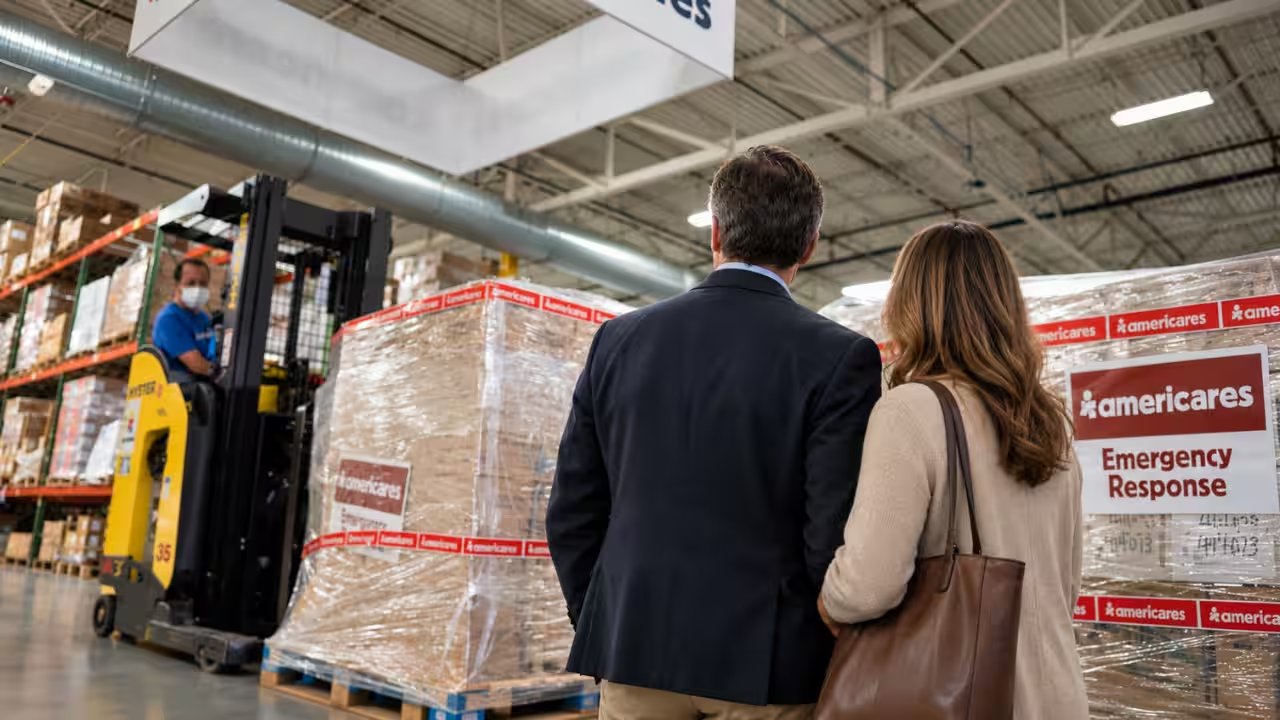
Americares, a nonprofit founded in 1979, has already delivered 1.8 billion dollars in aid, enough for nine million prescriptions and three million medical supplies, according to its September 2026 report. The organization partners with over 4,000 health centres worldwide, stitching together local networks to keep drugs flowing even during crises.
The $50 million gift—half earmarked for expanding access, half for strengthening the endowment—will allow the organization to overhaul distribution networks, partner with local health centres, and reinforce safety‑net clinics in the U.S. where policy shifts risk increasing uninsured patients. By improving supply‑chain resilience, patients will get the right medication at the right time, cutting down on complications and repeat visits.
"The influx will bridge critical gaps and prevent thousands of avoidable deaths," said Dr. Priya Patel, a global health specialist at the World Health Organization. "Sustained funding is the backbone of any resilient health system," she added.
For individuals, this translates to lower risk of chronic infections, fewer hospital visits, and a more resilient health system worldwide. If you’re worried about drug shortages, consider supporting local health charities or advocating for sustained aid funding—the next step in keeping communities healthy.