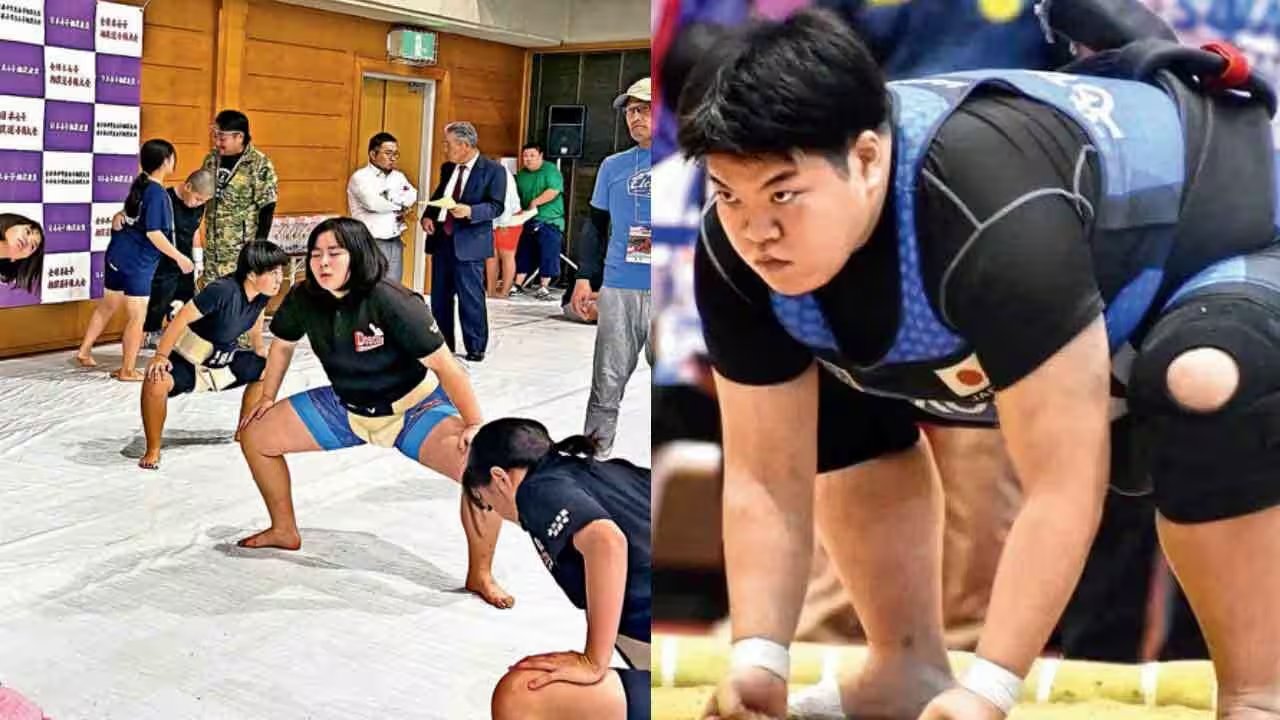
Airi Hisano clinched the 2026 National Women’s Sumo Title in Kyoto, bagging the first gold for her club in a new tradition—over 100 women and girls shuffled onto the ring, sleeves rolled up, eyes locked on the mawashi.
But the match was no mere triumph; it was a statement. Hisano, 27, a third‑degree black‑belt judo champion and first‑degree karateka, outmaneuvered her opponent in a swift 4‑minute bout, a performance that echoed the 1997 revival of organized women’s sumo and the 1926 ban that once silenced the sport.
And her coach, Mao Ueda, former judoka turned mentor, said the win proves that the sport’s lack of recognition is a myth, not a reality. "With no official backing, we still push forward," Ueda told reporters, her voice steady as the weight of a thousand unspoken doubts.
Yet the road ahead is long. The Japan Sumo Association still refuses to recognize women’s sumo, leaving clubs like Yoko Sumo Club to fend for themselves. Still, the 2026 title gives hope that the sport could stage its debut at the 2026 Asian Games and, eventually, the Olympics.
The next challenge? Airi will prepare for the 2026 Asian Games in Nagoya, where she hopes to bring home a medal that could finally cement women’s sumo in the international arena.