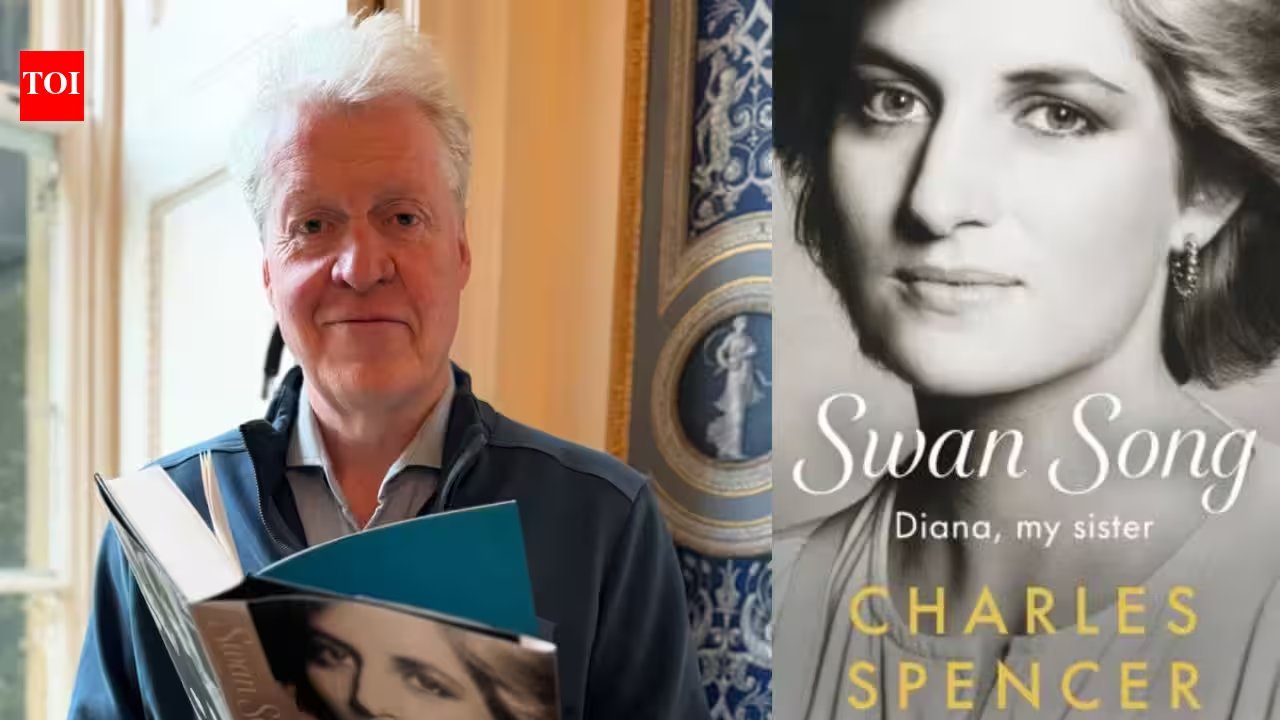
More than two decades after the world watched Princess Diana’s funeral, her brother Earl Spencer is pulling back the curtain on the chaos behind Westminster Abbey. In his upcoming memoir, Swan Song: Diana, My Sister, Spencer details a specific, painful disagreement with then-Prince Charles that he says left him stunned. The core of the conflict wasn’t just about logistics; it was about how the royal family intended to handle the grief of two young boys and the public mourning of their mother.
Spencer recounts passing on a request to play Mozart’s Requiem at the service, a piece Diana and her sisters believed she would have wanted. He claims the request was rejected on the grounds that a requiem couldn’t be performed at a Church of England funeral—a technicality Spencer later discovered was factually incorrect. This bureaucratic hurdle set the tone for a conversation that quickly turned hostile, with Charles allegedly accusing Spencer of lacking a sense of duty while trying to shield William and Harry from walking behind their mother’s coffin.
The most jarring revelation is the alleged remark Charles made during the heated exchange: “Rest assured, we’ll forget her soon enough!” Spencer describes being shocked into silence by the comment, ending the conversation immediately. It’s a stark contrast to the polished, unified front the Palace presents, exposing a raw, sibling-level friction that had been buried for thirty years. For anyone who followed the 1997 coverage, this feels less like a royal scandal and more like a domestic dispute that shook the institution from the inside.
The Palace’s response was characteristically evasive but pointed. A spokesperson stated that His Majesty is mindful of how “fraternal grief can cloud reason, affect judgment and color memory,” effectively questioning Spencer’s recollection without directly denying the quote. Meanwhile, Prince Harry, in his own memoir Spare, confirmed Spencer’s objection to the princes joining the procession, noting his uncle’s anger at asking two boys to face such pain. Yet, Harry insisted on walking alongside William, a decision both princes have described as a collective family choice in later interviews.
With the 30th anniversary of Diana’s death approaching, this memoir lands at a moment when the public is hungry for unvarnished truth. Spencer, who calls this his “most personal” work, was prompted to write after receiving numerous interview requests. If you’ve ever wondered if the royal machinery operates on duty or detachment, this book offers a gritty, human answer. It’s not just history; it’s a brother’s attempt to correct the record before the years blur the memory of his sister further.