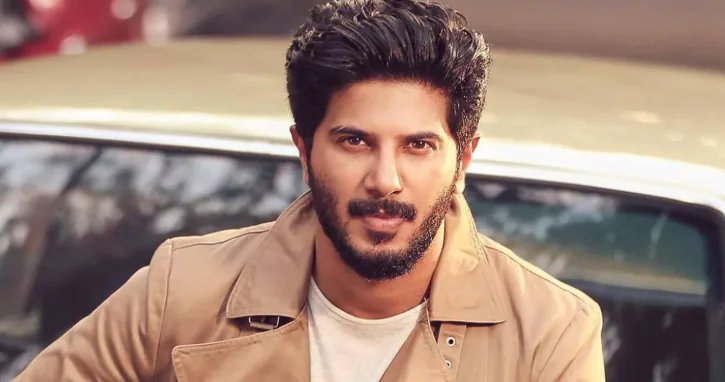
On Sunday, the Kerala superstar fired off a scathing note on X, telling his legion of followers to look past a bogus profile that’s been masquerading as him—no, this isn’t a new film trailer, it’s a digital identity crisis.
The account, which claims it’s a parody, keeps slipping into every conversation: it comments on his latest releases, drops snide remarks about other actors, and even sends fabricated birthday wishes to his own parents, turning his personal life into a meme fodder.
In a thread that went viral in under an hour, Dulquer spelled out the damage: "This account claims to be a ‘parody account’ and therefore feels it’s amusing to pretend to be me and comment as me on everything… it’s causing unnecessary confusion and negativity." He’s already flagged the handle and filed an official complaint with X, but the platform’s response still feels like a long‑awaited text from a friend who forgot to reply.
Fans are caught in a web of misinformation, and the actor’s plea is a reminder that celebrity social media is no longer a safe space. As he continues to shine in films like Sita Ramam and Lucky Baskhar, the call to cut through the noise is louder than ever—because authenticity matters more than a viral joke.
The incident also raises a larger question for the industry: when does a parody cross the line into harassment? With Dulquer’s reputation on the line, the conversation is already heating up, and audiences are watching closely to see whether X will step up or let the confusion linger.
For now, the only thing certain is that fans should keep their eyes peeled and their thumbs poised to double‑check before they hit reply on any post that looks suspiciously like Dulquer’s voice.