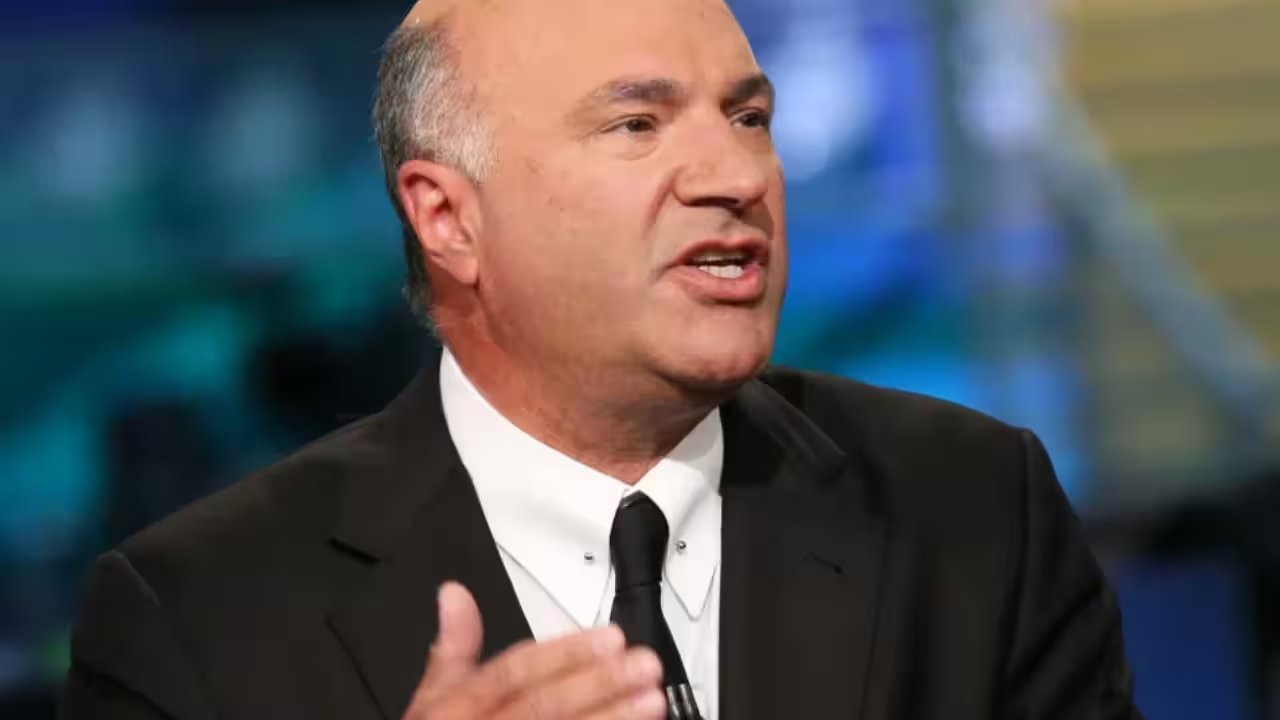
Kevin O’Leary cut his 40,000‑acre AI data‑center proposal in Utah to roughly 20,000 acres on June 4, after a month of heated opposition from residents and lawmakers. The Stratos Project, slated for Box Elder County north of the Great Salt Lake, originally promised a 9‑gigawatt facility powered by a natural‑gas plant and projected to consume more energy than Utah does in a year.
Hundreds packed the county commission hall in May, and the vote—unanimously in favor—followed a barrage of protests, with residents citing water stress, energy use, and a lack of independent studies. “We keep hearing over and over again that we need to pray for rain,” said Sarah Inskeep‑Young, a Salt Lake City resident with family in Box Elder, “and now this is coming. What does that mean to the whole state?”
Senate President J. Stuart Adams, chair of the agency overseeing the project, demanded a 75‑percent cut, environmental safeguards and full transparency after the commission’s approval. Adams called the original design “an overreach that threatens the region’s water and ecological balance.”
O’Leary insists the project will create 10,000 construction jobs, 2,000 permanent positions, and could cost over ₹100 billion, but he blames misinformation for some of the backlash. He argues the data centre could boost local economies and increase U.S. computing capacity, while promising to adopt water‑saving cooling technologies.
Voters have filed a referendum to place the approval on the November ballot, and the county commission will now seek permits from state regulators before the next phase can begin. The referendum is expected to compel a thorough review of the environmental impact and public‑interest considerations before any further construction proceeds.