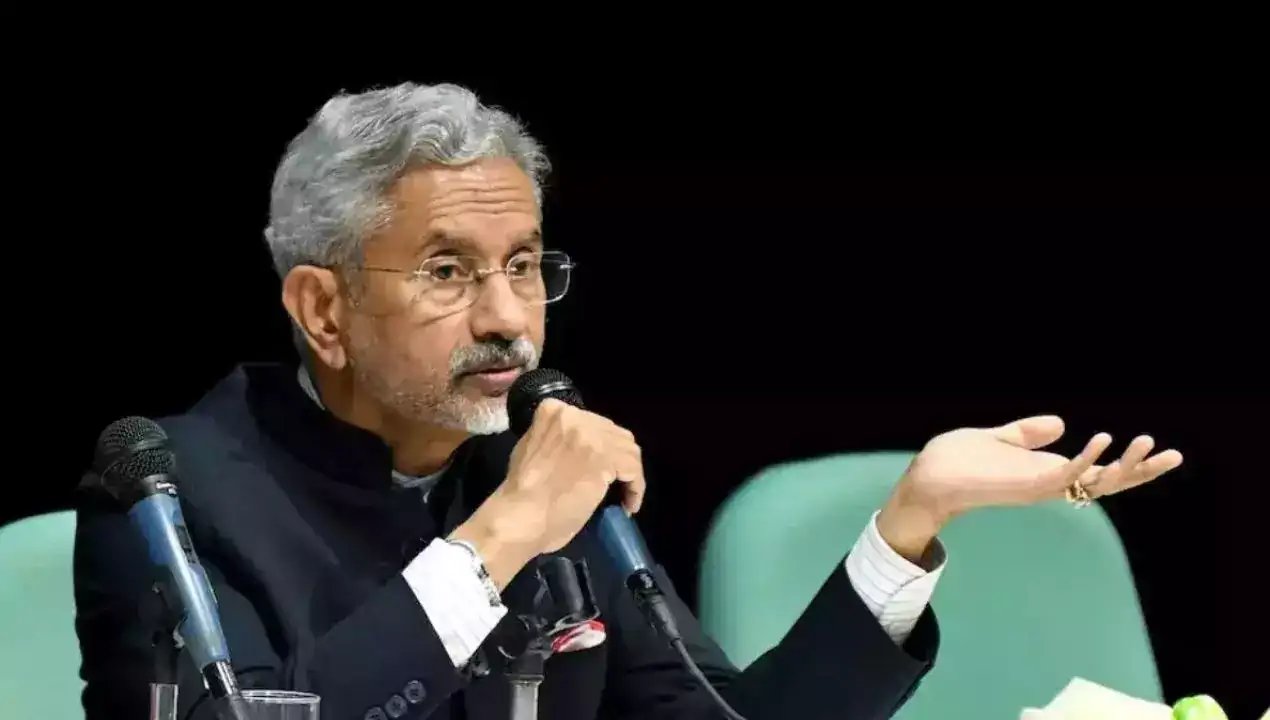
The diplomatic clock has reset. External Affairs Minister S Jaishankar admitted on Sunday that India is no longer just calling for peace from the sidelines; it is now in the room. Speaking at the Munich Leaders' Meeting in New Delhi, Jaishankar revealed that Delhi has engaged in direct conversations with both Russia and Ukraine over the past few months, marking a distinct escalation from years of rhetorical support.
The focus is narrow and pragmatic. Jaishankar said India is tackling immediate pain points first: safety of shipping in the Black Sea, grain exports, and energy supplies. It’s a calculated move. By addressing logistics and infrastructure rather than territorial disputes, India is trying to create a functional framework that both sides can tolerate while broader negotiations stall.
Kyiv sees this. Ukrainian Foreign Minister Andrii Sybiha told reporters in Kyiv on Friday that India’s proposal is the 'broadest' of four peace offers currently on the table, alongside plans from Türkiye, Egypt, and the United States. Sybiha was specific: Kyiv is ready for an energy and Black Sea ceasefire, but only if it is a package deal. He warned that any agreement must stop attacks on port infrastructure and energy grids, not just frontline combat.
Moscow is listening too. President Vladimir Putin recently praised Prime Minister Narendra Modi for having 'very good ideas' aimed at mutually acceptable solutions. Kremlin spokesperson Dmitry Peskov added that Russia welcomes India’s push, noting that Moscow’s position aligns with New Delhi’s emphasis on dialogue. The alignment is rare in this conflict, giving the Indian initiative a unique weight.
The next step is clear. With all four proposals on the table, the pressure is now on whether the 'broadest' one can be operationalized. Watch for the next round of bilateral talks between New Delhi and Kyiv, where the specifics of the Black Sea shipping lanes will likely be the first test case for this new diplomatic channel.