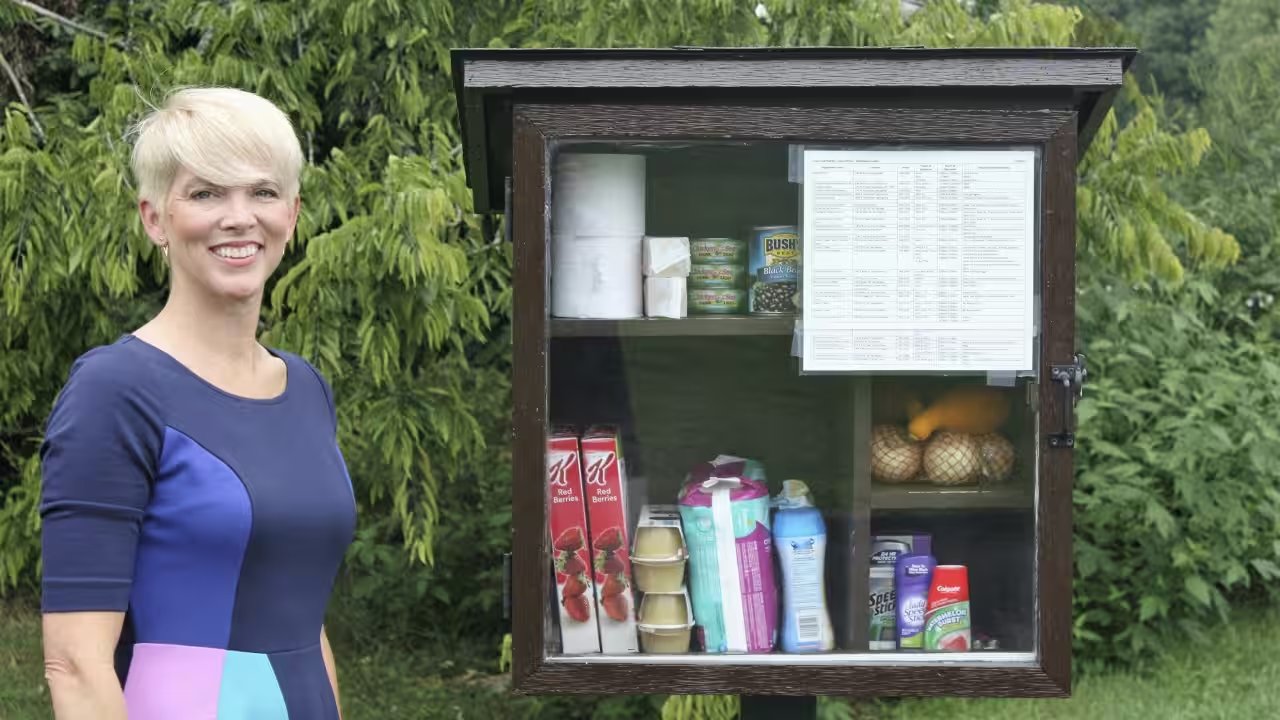
Jessica McClard, a local teacher, set up the first Little Free Pantry on 17 May 2016 outside Good Shepherd Lutheran Church in Fayetteville, Arkansas, with a wooden box stocked with canned goods, toiletries and paper products. The pantry operated on a simple rule: anyone with spare items could leave them, and anyone in need could take them, without forms or memberships.
The model quickly revealed high demand for basic necessities; diapers, toothpaste, toothbrushes, feminine hygiene products, toilet paper and paper towels vanished within days, underscoring how even modest families stretch their budgets.
Neighbors turned the box into a community canvas, adding school supplies and decorating it for holidays. Handwritten thank‑you notes left inside the pantry became a tangible sign of reciprocity, and a local mother even shared how she used the pantry to keep her children fed during a sudden job loss.
By 2021, the concept had spread beyond Fayetteville, inspiring networks like the Lowcountry Blessing Box Project and Pātaka Kai Open Street Pantries. The Little Free Pantry website now lists 2,301 mini pantries across the United States and abroad, providing a searchable map for new volunteers.
In the same year, the pantry partnered with Celadon Books and the Jane Goodall Institute for the launch of Jane Goodall’s The Book of Hope, linking everyday community generosity with broader environmental and humanitarian conversations.
The movement remains grassroots, with the Little Free Pantry website actively encouraging communities to add their own sites, signalling that the network will continue to expand as more neighborhoods adopt the model.