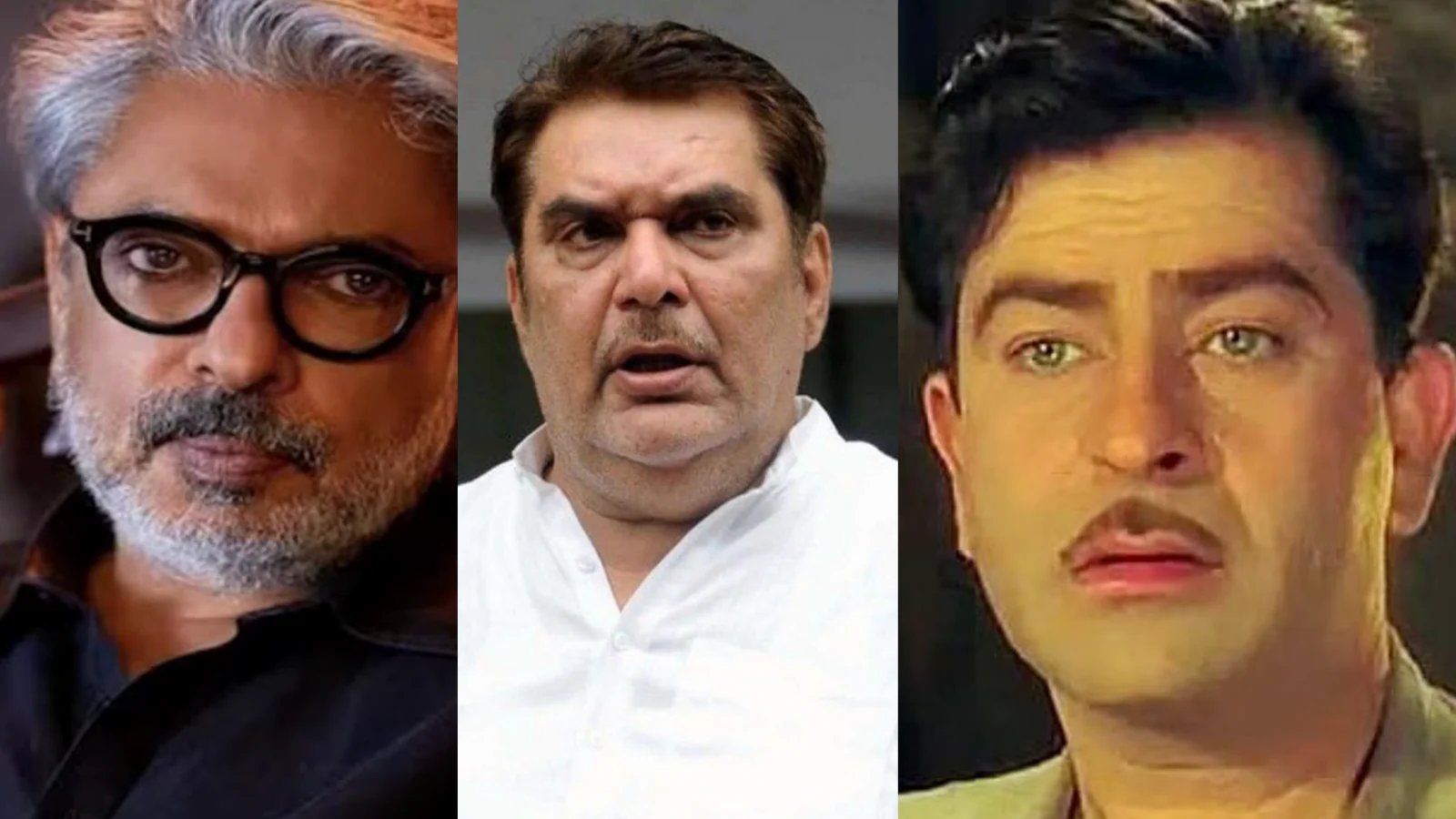
But when I was a small‑time actor, I found myself under the microscope of two giants—Raj Kapoor and Sanjay Leela Bhansali. Their names echo through generations, and for me, they were the ultimate teachers of what it means to chase perfection.
Raj Kapoor’s first day on a set was a lesson in humility and confidence. He cast me in Prem Rog (1982) against the strong protests of his own sons, who whispered I didn’t fit the role. Yet Kapoor shrugged off their doubts and said, "Ye role karenge toh Raza sir hi karenge," turning a reluctant actor into a star of that night.
Bhansali’s world is a different beast altogether, a mix of grandeur and volatility. I’ve stood in the shadows of Ram‑Leela, Bajirao Mastani, and Padmaavat, watching him pound the floor with a passion that burned hotter than the set lamps. He doesn’t lose his temper for nothing—he shouts at Ranveer Singh, Deepika Padukone, even Priyanka Chopra—when the shot isn’t right. It’s not personal; it’s work.
The two share a single DNA strand: a refusal to cut corners. They’d stretch a scene from four days to eight if it meant capturing the exact mood. On set, the line “Hum kaam karne ke liye aaye hain” reverberated like a mantra, and both directors were relentless in their pursuit of that mantra.
Murad’s stories reveal a hidden truth about Indian cinema’s golden era: greatness is born of a relentless, sometimes maddening, pursuit of perfection. It’s a reminder that behind every iconic frame is a director who will spend an extra day, an extra set, and an extra ounce of patience to make the moment unforgettable.