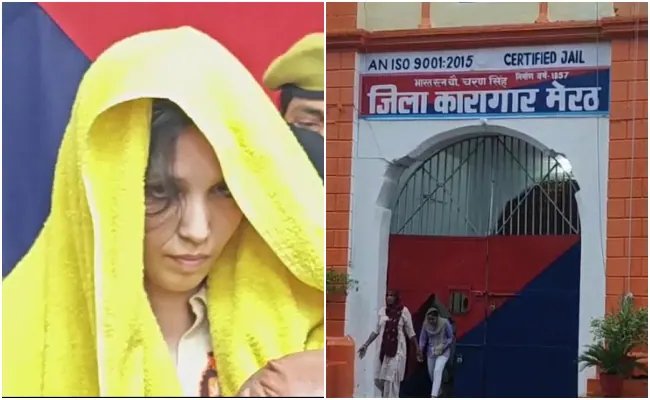
The Meerut court heard 126 hearings and 22 witnesses before delivering the verdict. Local shopkeepers testified that the accused bought a blue drum, cement, sand, and cleavers, while call‑detail records pin Shukla to the house on the day of the murder. The prosecution described how Rajput was sedated with food laced with a sedative, then stabbed by Shukla and dismembered in the bathroom; the body parts were sealed in the drum and filled with a wet mix of cement and water.
The judge, Arvind Kumar Mishra, invoked verses from the Bhagavad Gita, arguing that dharma requires punishment for those who commit heinous crimes. He warned that such acts sow terror in society and that the court had fulfilled its duty. A lawyer for Rajput’s family said the judge’s citation of the Mahabharata was meant to underscore the moral gravity of the case.
Parents of Muskaan Rastogi told the court that Rajput was a "very good person" and expressed no protest if the death penalty was imposed. The family never met Rastogi in prison, and a six‑year‑old daughter had reportedly told neighbors that "Papa is in the drum." Police recovered the drum on March 17, 2025, after relatives located the home.
The case now proceeds to the High Court of Uttar Pradesh, where the defence can file an appeal. The court’s decision is final pending that review, and the state government has indicated it will cooperate with any further investigations.
The incident has sparked debate across the country about the use of religious texts in judicial pronouncements and the application of the death penalty in India.