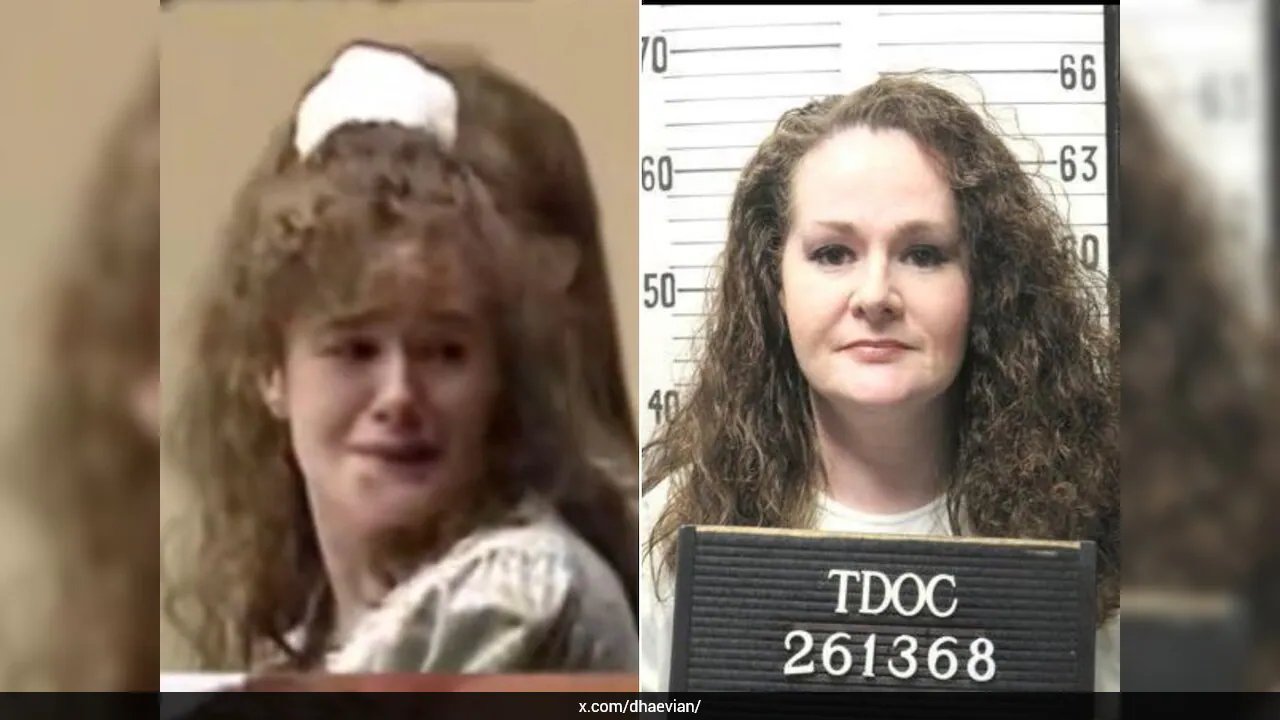
Christa Pike, a 50‑year‑old death‑row inmate, survived a 90‑minute ordeal in the Tennessee State Prison death chamber on May 29, 2024, when two doses of pentobarbital failed to render her unconscious. The execution team, after struggling to locate a viable vein, eventually injected a third dose, but the inmate remained conscious, laughing and moving, as described by her attorney Randy Spivey. An independent review found that the IV line may have been misplaced, filling her arm rather than the bloodstream, a possibility the attorneys linked to Pike's lifelong blood disorder.
Governor Bill Lee called the incident "deeply disturbing" and immediately suspended all executions for the rest of the year, ordering a full audit of the lethal‑injection protocol. "We cannot proceed until we know this system works safely and reliably," Lee told reporters, citing the need to restore public confidence. The state’s Department of Corrections said it will cooperate fully with the review, which will examine the drugs, equipment, and staff training.
Pike was sentenced to death in 2007 for the 1995 murder of 18‑year‑old Michelle Roberts, a case that left the Roberts family, led by mother May Martinez, outraged. Martinez said she watched the failed execution in Nashville and felt the injustice was palpable. The state has executed only one woman since the 1800s and had never carried out a death sentence for a crime committed by a minor.
The independent review will be presented to the Tennessee Supreme Court next month, after which the governor will decide whether to reinstate Pike’s execution or seek a commutation. Her attorneys have already petitioned the court for a sentence reduction, arguing the failed attempt constitutes cruel and unusual punishment under the state constitution.